The "college-for-all" story is changing. Healthcare and construction employers across the country report staffing needs, and many college graduates carry student loans for years after they finish school.
Here's the reality: a 4-year degree isn't the only path to a stable career. People exploring careers without a 4-year degree are finding that hands-on technical training is a more direct route into skilled trades and healthcare.
It takes less time than most people think. At CTI, HVAC and electrical programs run 36 weeks, and our Practical Nursing (LPN) program runs 56 weeks and prepares you for the NCLEX-PN licensing exam.
Rising tuition and 4-year timelines are real barriers. Vocational training and industry certifications lower those barriers, and you can finish your training in weeks or months, with skills employers need today.
If you're ready to build a career path without a 4-year degree, this post explains how.
Why Choose a Career in Healthcare or Skilled Trades?

Essential Industries
Healthcare and the skilled trades provide essential services. Hospitals need nurses, homes need electricians, and buildings need HVAC systems no matter what the economy is doing. These services aren't optional; they're part of everyday infrastructure.
Shorter Training Time
Shorter programs mean you finish training sooner. CTI's LPN program takes about 56 weeks, compared with the four years many people spend on a bachelor's degree. That's more time to gain experience and keep moving toward your goals.
Hands-On Learning
Vocational school vs college often comes down to learning style. Not everyone learns well from lectures. Vocational programs are designed around doing. You learn in labs with real equipment and build skills in settings similar to the workplace, so you're practicing the work while you train.
High-Demand Healthcare Careers (No Degree Required)
Practical Nursing (LPN)

Searching for LPN programs near me or practical nursing programs near me is a common starting point for people entering healthcare, and for good reason. Licensed practical nurses play a key role in patient care facilities across the country.
Role: LPNs provide patient care, give medications, take vital signs, and assist registered nurses in clinical settings. They work in hospitals, long-term care facilities, outpatient clinics, and home health.
CTI Path: Coastal Technical Institute offers a 56-week LPN program designed to prepare you for the NCLEX-PN licensing exam. If you're looking for practical nursing programs near me in Palm Bay or Brevard County, CTI's program blends classroom learning with clinical experience. Total program cost is $13,640.
Entry-level wage: The entry-level wage for licensed practical nurses in the Palm Bay-Melbourne-Titusville area is $58,250 a year (25th percentile, U.S. Bureau of Labor Statistics OEWS, May 2025). Wages vary. Not a guarantee of employment or salary.
Career note: An LPN credential can also be a stepping stone. Many LPNs go on to LPN-to-RN bridge programs to broaden their scope of practice without starting over.
Nursing Assistant (CNA) & Home Health Aide (HHA)
Role: CNAs and HHAs deliver front-line care. CNAs usually work in hospitals and long-term care centers, helping patients with daily activities, basic care, and monitoring. HHAs provide similar care in patients' homes, where demand is growing as the U.S. population ages.
Timeline: Our HHA program takes about 3.5 weeks ($745), and our CNA program takes about 6 weeks ($1,180). Both are short, focused ways to start training for a healthcare career.
Entry-level wage: The entry-level wage for nursing assistants in the Palm Bay-Melbourne-Titusville area is $35,480 a year (25th percentile, U.S. Bureau of Labor Statistics OEWS, May 2025). Wages vary. Not a guarantee of employment or salary. The entry-level wage for home health aides in the Palm Bay-Melbourne-Titusville area is $31,540 a year (25th percentile, U.S. Bureau of Labor Statistics OEWS, May 2025). Wages vary. Not a guarantee of employment or salary.
These roles offer meaningful work and a clear path toward more advanced training in nursing or clinical specialties.
Phlebotomy Training
Role: Phlebotomists collect blood samples for diagnostic testing. Hospitals, diagnostic centers, and blood banks rely on trained phlebotomists to gather accurate samples that help guide diagnosis and treatment.
Benefit: Phlebotomy training at CTI takes about 6 weeks ($1,125). If you want to start in healthcare but aren't ready for a full nursing program, it's a credentialed, hands-on option with a clear path to further study.
Entry-level wage: The entry-level wage for phlebotomists in the Palm Bay-Melbourne-Titusville area is $35,780 a year (25th percentile, U.S. Bureau of Labor Statistics OEWS, May 2025). Wages vary. Not a guarantee of employment or salary.
High-Demand Skilled Trades Careers
HVAC (Heating, Ventilation, and Air Conditioning)
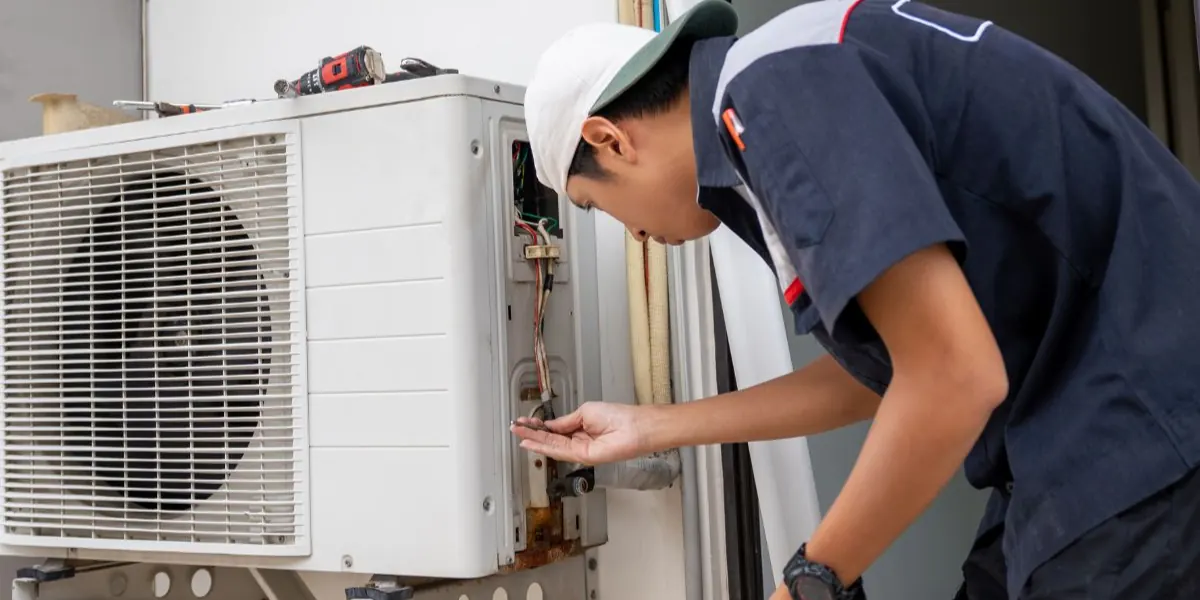
If you're searching for HVAC training Florida or HVAC technician training near me, you're already on the right track. Florida's climate keeps HVAC professionals busy all year. Homes, businesses, hospitals, and schools need installation, maintenance, and repair every month of the year.
Demand: The Bureau of Labor Statistics projects HVAC employment to grow faster than the average for all occupations. In Florida, population growth and the need for cooling in the heat and humidity add to that demand.
Program: CTI's HVAC program runs 36 weeks, and total program cost is $10,675. You'll train on real systems in our Palm Bay labs, all without the cost of a 4-year degree.
Entry-level wage: The entry-level wage for HVAC technicians in the Palm Bay-Melbourne-Titusville area is $46,960 a year (25th percentile, U.S. Bureau of Labor Statistics OEWS, May 2025). Wages vary. Not a guarantee of employment or salary.
Electrical Technology
Role: Electricians power residential, commercial, solar, EV charging, and smart home projects. The need for qualified electricians keeps growing as construction and renewable energy projects expand.
Growth: Electricity underpins modern infrastructure. Solar integration and energy-efficient building systems have added new layers to the trade, so technicians need up-to-date skills. CTI's Electrical Technology program runs 36 weeks, and total program cost is $10,475.
Entry-level wage: The entry-level wage for electricians in the Palm Bay-Melbourne-Titusville area is $46,880 a year (25th percentile, U.S. Bureau of Labor Statistics OEWS, May 2025). Wages vary. Not a guarantee of employment or salary.
Welding Technology

Role: Welders do precision joining work in manufacturing, shipbuilding, aerospace, and construction. It's technical, skilled work that takes both physical accuracy and an understanding of materials.
Key Fact: The American Welding Society has projected a significant need for skilled welders in the coming years. CTI's Welding Technology program runs 42 weeks, and total program cost is $12,700.
Entry-level wage: The entry-level wage for welders in the Palm Bay-Melbourne-Titusville area is $45,700 a year (25th percentile, U.S. Bureau of Labor Statistics OEWS, May 2025). Wages vary. Not a guarantee of employment or salary.
How to Get Started: A Step-by-Step Guide
Step 1: Identify Your Interests
Start with a simple question: do you prefer working with patients or solving technical problems? Healthcare suits people who relate well to others, pay attention to detail, and feel comfortable with patient care. Skilled trades call for critical thinking, accuracy, and comfort with tools and systems. Neither is harder; they're different. Knowing what fits you is the first decision.
Step 2: Choose an Accredited Institution
Not all programs are equal. When you compare LPN programs near me, practical nursing programs near me, or HVAC technician training near me, check each school's accreditation and state licensure. Coastal Technical Institute is accredited by ACCET. Licensed by the Florida Commission for Independent Education, License No. 5973.
Step 3: Look for Hands-On Training
Make sure the program has labs and industry-standard equipment. Healthcare students should practice in a clinical simulation setting, and HVAC students should work on real systems. Hands-on practice helps you feel more confident when you start working.
Step 4: Prepare for Certifications
Certifications matter. Whether it's the NCLEX-PN for nursing, EPA 608 for HVAC, or AWS certifications for welders, these are the credentials employers look for. Careers without a 4-year degree are built on earned, verifiable credentials.
Step 5: Use Career Services
Look for a school that supports you beyond the classroom. Resume help, interview prep, and introductions to local employers can make the move from student to working professional easier. Employment isn't guaranteed, but that support can help you feel prepared.
Why Coastal Technical Institute (CTI)?
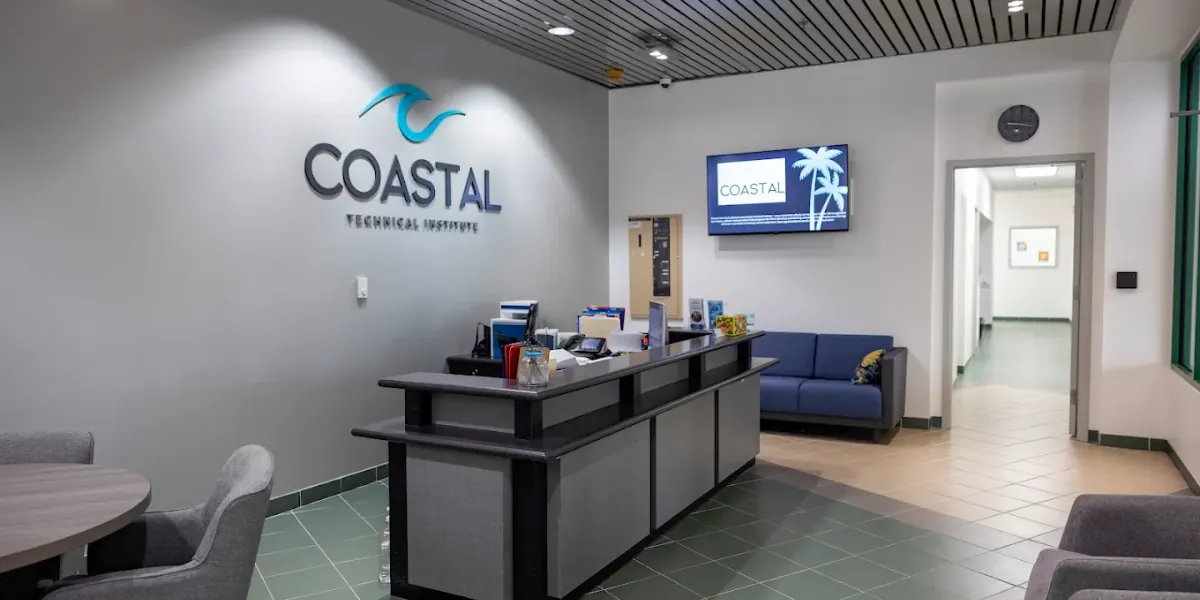
Coastal Technical Institute is in Palm Bay, FL, serving students across Brevard County and the Space Coast. Whether you're looking for LPN programs near me, practical nursing programs near me, HVAC technician training near me, or HVAC training Florida options, you'll find programs offered by an accredited institution, hands-on labs, and career support under one roof.
Paying for school: Payment plans available for those who qualify. Coastal Technical Institute does not participate in federal Title IV financial aid programs.
Accreditation: Coastal Technical Institute is accredited by ACCET. Licensed by the Florida Commission for Independent Education, License No. 5973.
Career Services: Our career services team offers resume help, interview prep, and introductions to local employers. Employment isn't guaranteed.
Conclusion
You don't need four years of college to build a rewarding career. Whether you're drawn to healthcare as an LPN, CNA, or HHA, to phlebotomy, or to skilled trades like HVAC, electrical, or welding, you can train in weeks or months instead of years.
If you're weighing vocational school vs college or exploring careers without a 4-year degree, hands-on technical training is worth a close look.
Schedule a campus tour today and see our labs in action.
FAQs
What are entry-level wages for these careers?
Here are entry-level wages in the Palm Bay-Melbourne-Titusville area (25th percentile, U.S. Bureau of Labor Statistics OEWS, May 2025): LPN $58,250; HVAC technician $46,960; electrician $46,880; welder $45,700; phlebotomist $35,780; nursing assistant $35,480; home health aide $31,540. Wages vary. Not a guarantee of employment or salary.
How long does trade school take?
Program length ranges from a few weeks to about 13 months, depending on the field. CTI's HHA program takes about 3.5 weeks, CNA and Phlebotomy take about 6 weeks, HVAC and Electrical take 36 weeks, Welding takes 42 weeks, and the LPN program takes about 56 weeks. See our start dates page for upcoming classes.
Is healthcare harder than skilled trades?
Neither is objectively harder; they call for different strengths. Healthcare is patient-centered and clinically focused. Skilled trades are technical and systems-oriented. It depends on you.
Will I get help with my job search after completing my program?
Yes. Coastal Technical Institute's career services team offers resume help, interview prep, and introductions to local employers. Employment isn't guaranteed.
How can I pay for my program at CTI?
Payment plans available for those who qualify. Coastal Technical Institute does not participate in federal Title IV financial aid programs. Ask our admissions team which outside options may apply to you.
Ready to get started?
Next cohort starts January 4, 2027. Call (321) 914-3041 or apply online.