Practical nursing prerequisites depend on the school's admission policy. Some programs require only basic education credentials and other entry requirements, while others may ask applicants to complete specific coursework or assessments before enrollment.
Classes such as anatomy and physiology, pharmacology, and nursing fundamentals may be included in the nursing curriculum rather than required as separate college prerequisites. Check Coastal Technical Institute's current admission checklist to confirm which requirements apply before you enroll. Explore the typical LPN education pathway.
That last point can save you an unnecessary semester. A subject listed in a nursing curriculum isn't automatically a course you must finish before applying. First, find out what belongs before admission, what you'll study during training, and what you need before clinical placement.
What are the practical nursing prerequisites?
Practical nursing prerequisites are the requirements a school sets for entry. They can include education records, an entrance assessment, age requirements, and specific coursework. Ask for the current admissions checklist for your intended start date before booking tests or classes.
Education, age, and application records
Be sure to have your high school or GED transcripts in hand, any college transcripts you have received, the minimum score, and the deadline for the scores to be submitted. Make sure you find out if the assessment needs to be taken before you go to school or to determine what you might need to study more. Your admissions advisor will be able to tell you the current test requirements for your program of interest.
At Coastal Technical Institute in Palm Bay, applicants should review the current admission requirements before applying. The school's catalog lists a minimum age of 18, a valid state ID, and a Social Security card for program applicants.
Practical nursing applicants should also confirm any additional program-specific requirements, required documents, and deadlines with admissions. Review the current course catalog and speak with the admissions team before scheduling tests or paying for additional classes.
Entrance exams and score requirements
Make sure you have your high school or GED records handy, along with any college transcripts you've received. It's a good idea to check if the official records need to be sent straight from the school that issued them. While having a copy in your personal files can assist an advisor in going over your background, it might not be enough to finalize your application.
Ask which entrance assessment, if any, is required for your practical nursing program. Confirm the test name, minimum score, registration process, and deadline for submitting your results. Also ask whether the school has a separate basic skills assessment or graduation requirement. These requirements may have different deadlines, so request the current testing instructions from admissions.
Which classes should you take before applying?

Hold off on signing up for any separate science or general education classes until the school gives you the green light. When you're looking at nursing prerequisite courses, make sure to check the credentials and the specific program, since the RN admission checklist might not be relevant for practical nursing.
Science and supporting subjects
Before enrolling in science courses, ask how each subject fits into the practical nursing program. Does the school require anatomy and physiology, biology, chemistry, or microbiology before admission, or are these subjects covered during training? Find out whether a lab component is required, whether prior coursework can be accepted, and whether any minimum grade applies. These details can help you avoid taking classes that aren't part of your admission requirements.
The same questions apply to other supporting subjects, such as English composition, psychology, nutrition, and medical terminology. Depending on the school, these subjects may be included in the curriculum or listed as separate admission requirements. If you've already completed relevant coursework, ask admissions to review your transcripts before paying to retake any classes. If you have taken some of the prerequisite courses in nursing, be sure to request a review of the transcript before paying to retake those classes.
Math and reading preparation
Review fractions, decimals, percentages, ratios, and measurement conversions. These skills can help you prepare for medication calculations during nursing training. If math is something you struggle with, brief practice sessions before school starts may help you feel more comfortable during the first weeks of the program.
Try this preparation exercise: read a short science passage, summarize its main point, then explain one unfamiliar term in plain English. It's a useful way to practice studying from technical material without buying a course you may not need.
What classes are included in a practical nursing program?
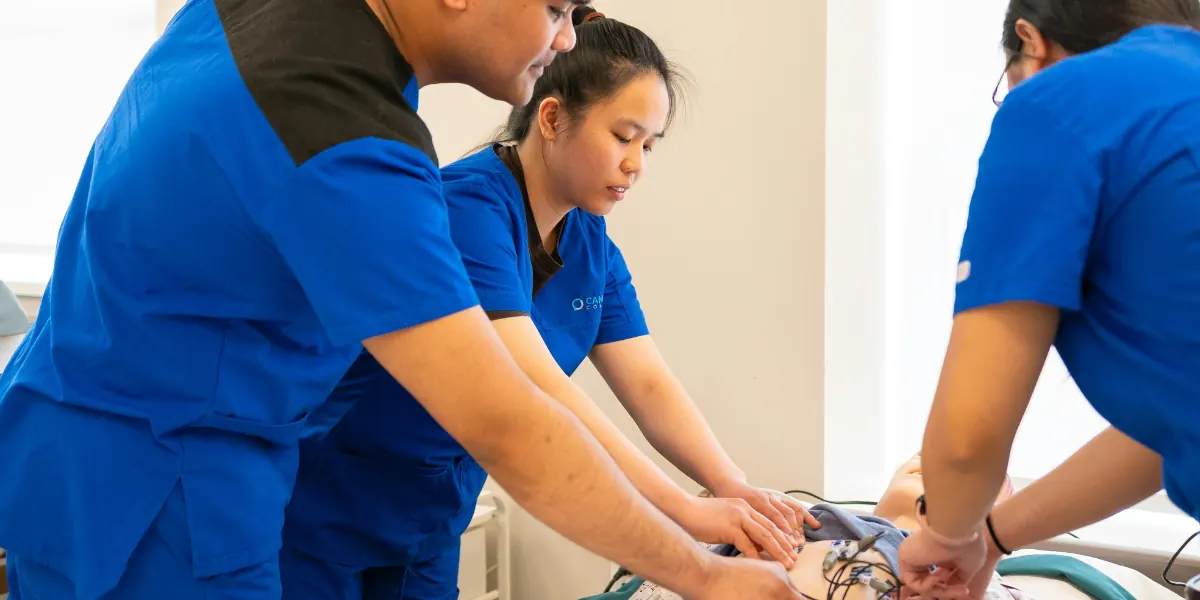
A practical nursing program combines classroom instruction, hands-on skills practice, and clinical training. Coastal Technical Institute's published program information describes training in patient care, medication administration, vital signs, documentation, ethics, patient communication, and clinical experience. Review the curriculum to understand how these subjects fit into your training and ask admissions about the schedule for skills labs and clinical placements.
Classroom instruction
Be prepared to learn about the body, how it functions, how illness impacts patients, and how to identify and report changes. Nursing fundamentals first introduces infection control, patient rights, safe care, and responsibilities of the nurse. Pharmacology introduces students to medications, their effects, dosage calculations, and safe administration. This knowledge supports safe patient care and helps students understand how medications are used in clinical settings.
Practical nursing education can cover care for patients across different ages and healthcare settings. Topics may include medical-surgical nursing, maternity, pediatric care, geriatric care, nutrition, and mental health. Review the applicable Florida practical nursing curriculum framework and Coastal Technical Institute's published curriculum to understand which subjects are included in your program.
Skills labs
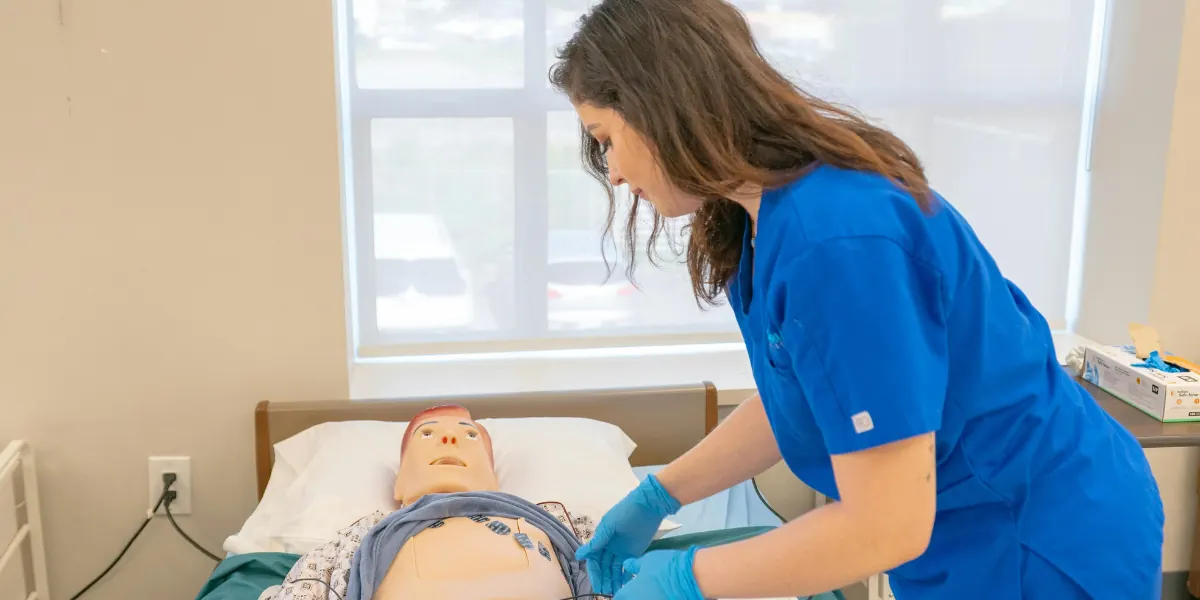
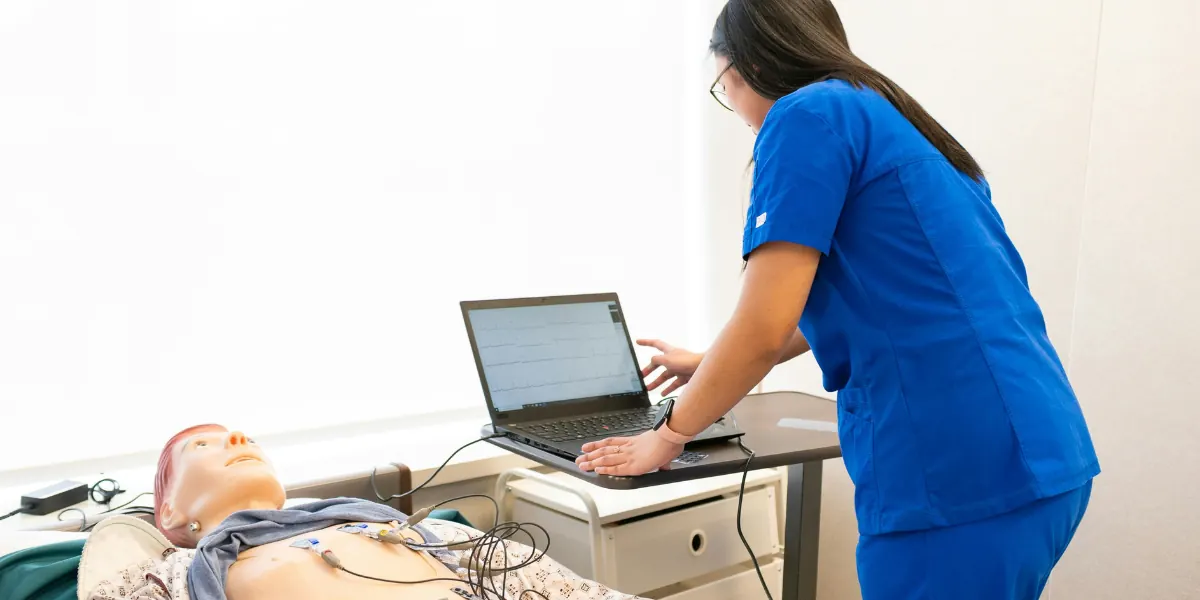
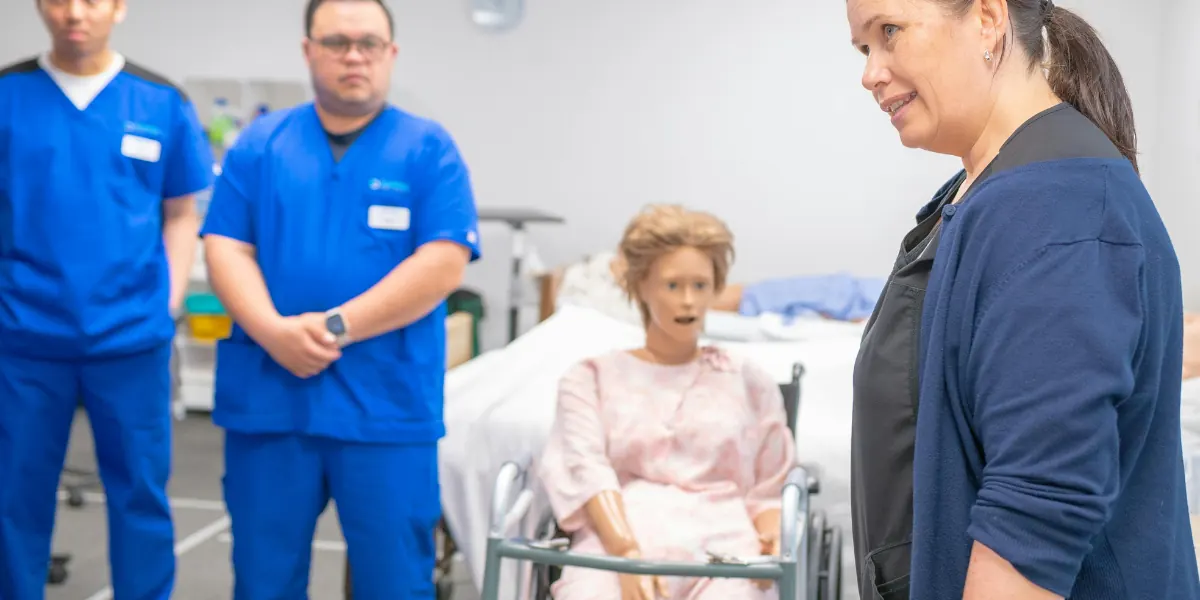
Labs provide a supervised place to practice before working with patients. Activities can include taking vital signs, helping with hygiene, supporting safe movement, and using equipment. Depending on the school, practice may involve mannequins, simulation equipment, and instructor demonstrations.
Ask how skills checks work. For example, will you need to demonstrate a procedure successfully before performing it during clinical training? Find out when practice time is available and what happens if you need another attempt.
Clinical experience
Clinical training provides students with an option to use knowledge and skills acquired in their classrooms in a healthcare setting with supervision from qualified instructors or clinical supervisors. Students learn nursing skills such as patient care, documentation, communication, and other skills. Ask about the clinical placements that your cohort will attend, as well as how the schedule is structured.
Students get hands-on experience with patient care, documentation, communication, and other essential skills. Since placements can differ, it's a good idea to ask which settings your group will be visiting instead of assuming that everyone will rotate through every specialty.
A smart question to ask about your schedule is: "What time should I be at the clinical site?" From there, you can work backward to figure out your travel plans, parking, and childcare arrangements. Just knowing your campus commute won't give you the full picture of whether a clinical day fits into your routine.
What must be cleared before clinical placement?
Clinical clearances are NOT the same as your academic classes. You may need to submit health records, have a physical exam, receive a TB screening, pass a background check, and have a recent CPR or BLS certification, depending on your school placement and the school.
Clinical clearance requirements can vary by program and clinical placement. Coastal Technical Institute's catalog lists a Level II background check, immunization records, a physical exam with a TB test, and liability insurance for most healthcare programs. Before booking appointments, ask admissions for the current practical nursing clearance checklist, including required documents, approved providers, submission deadlines, and any renewal requirements.
Confirm that your records remain valid for the period in which you will attend clinical training. Don't buy a CPR course based only on its price. Ask which provider and course format the school accepts. Likewise, use the school's screening instructions so results go to the correct recipient.
Build a deadline plan before choosing a start date
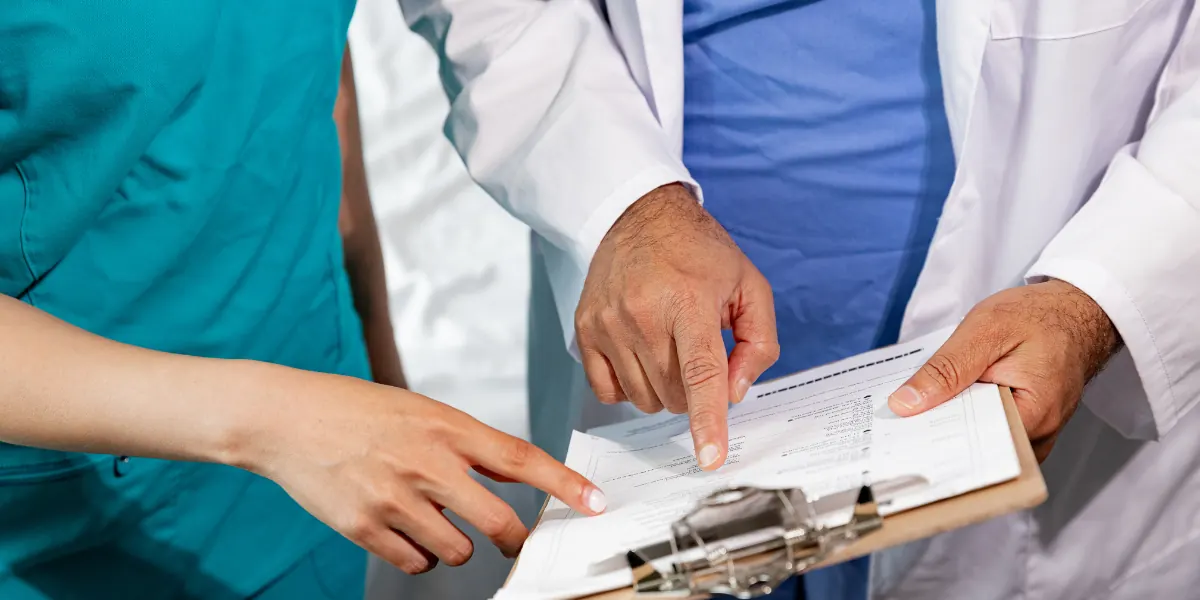
Turn your LPN prerequisites into a short working list with four fields: requirement, responsible department or contact, due date, and proof of acceptance. This gives you something concrete to check with admissions instead of relying on a folder full of documents you hope are sufficient.
For example, record that you've requested a transcript, then separately record when the school accepts it. For a health document or CPR credential, ask whether its validity covers the planned clinical period. A completed task and an accepted requirement aren't always the same thing.
Coastal Technical Institute's course catalog lists its Practical Nursing program at 56 weeks and 1,354 clock hours. The school also describes the program as a 13-month training option. Confirm the schedule, breaks, clinical days, and expected completion date for your intended cohort with admissions. The actual calendar may help you understand how the program fits your work, travel, and study commitments.
Include study time and travel in your weekly plan. If you're still deciding whether the commitment fits your goals, read whether an LPN certificate is worth the time.
What happens after you finish the coursework?
Graduation and licensure are separate steps. Completing a practical nursing program is one step toward becoming an LPN in Florida. Graduates must also meet the Florida Board of Nursing's applicable eligibility requirements, complete the required application and screening steps, and pass the NCLEX-PN for licensure by examination.
Review the Florida Board of Nursing's licensing instructions for the current process and confirm any additional steps that apply to your situation. For more guidance, read our step-by-step guide to becoming an LPN in Florida.
Confirm your next step with Coastal Technical Institute
Before spending money on additional classes, confirm the practical nursing course requirements for your intended cohort. Bring your transcript history, questions about testing, and a realistic picture of your weekly availability.
Ready to get started?
Next cohort starts November 9, 2026. Call (321) 914-3041 or apply online.