If you're looking at trade school in Florida, you're probably asking a very practical question first: What is this really going to cost me? That's a smart place to start. Tuition can look different from school to school, and even within the same campus, prices can shift depending on the program, schedule, and what's included.
In this blog, we'll break down what drives trade school cost in Florida, including common extra fees that surprise students. We'll also cover how to compare programs the right way and what to ask before you enroll. If you're exploring an HVAC trade school, electrical trade school, or welding trade school, you'll find plenty of specifics here.
Typical Trade School Tuition Costs in Florida
Trade school tuition in Florida varies widely by program, length and type of school. Public technical colleges, private career schools and community colleges all price their programs differently, and specialized programs with heavy equipment needs usually cost more than short classroom-based ones.
Why is the price range so wide
When people talk about trade school cost, they're often comparing very different things. A short program with fewer lab hours will naturally cost less than a longer track with heavy hands-on training and equipment.
Here are common factors that push tuition up or down:
Program length (weeks vs. months)
Hands-on lab hours and shop time
Equipment, materials, and consumables used in training
Credentials earned (certificate, diploma, licensing prep)
Public vs. private training options
Yearly tuition vs. total program cost
Some schools list tuition by year; others list the full cost from start to finish. When you're comparing trade school in Florida, always convert it into a "total cost to completion" number so you're comparing apples to apples.
CTI Tuition by Program
Your program choice is the biggest driver of cost. Some paths require extensive tools, lab work, and materials, while others rely more on classroom training and lower-cost supplies. Here's what CTI's trades programs cost.
Welding Technology

CTI's welding trade school program is 42 weeks and 700 clock hours. Total program cost is $12,700.
Because welding uses consumables and shop equipment, costs at any school may include protective gear, materials, and lab fees. When you're pricing a welding trade school, ask what's included and what you'll need to buy separately.
HVAC
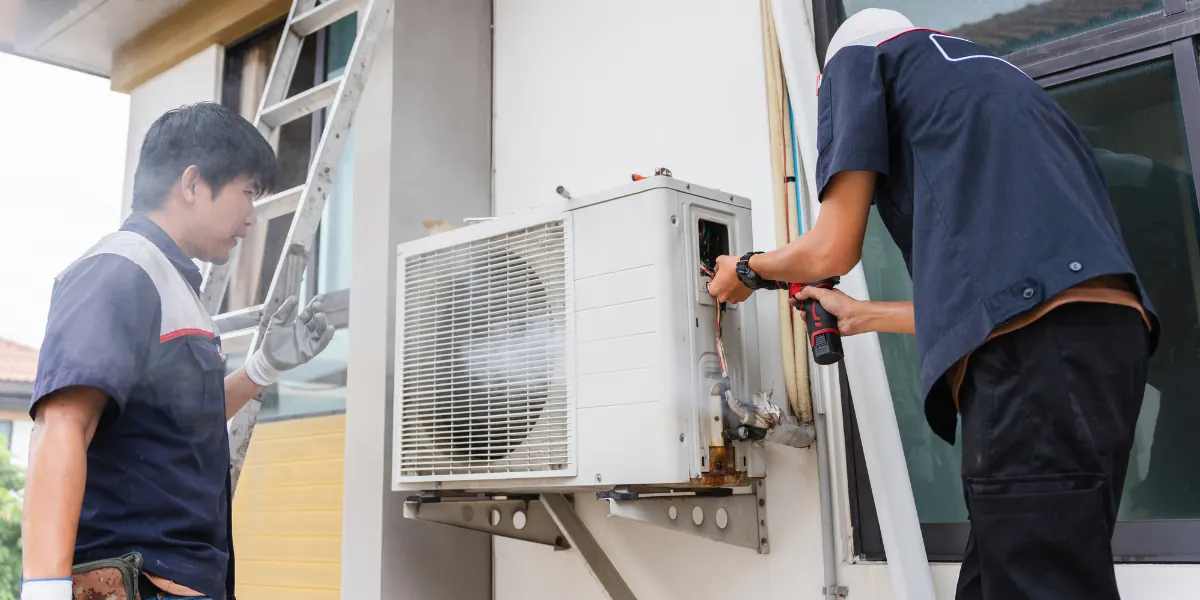
CTI's HVAC trade school program is 36 weeks and 600 clock hours. Total program cost is $10,675.
When you compare HVAC schools, look at lab time, certification prep, and what career support is included.
Electrical Technology
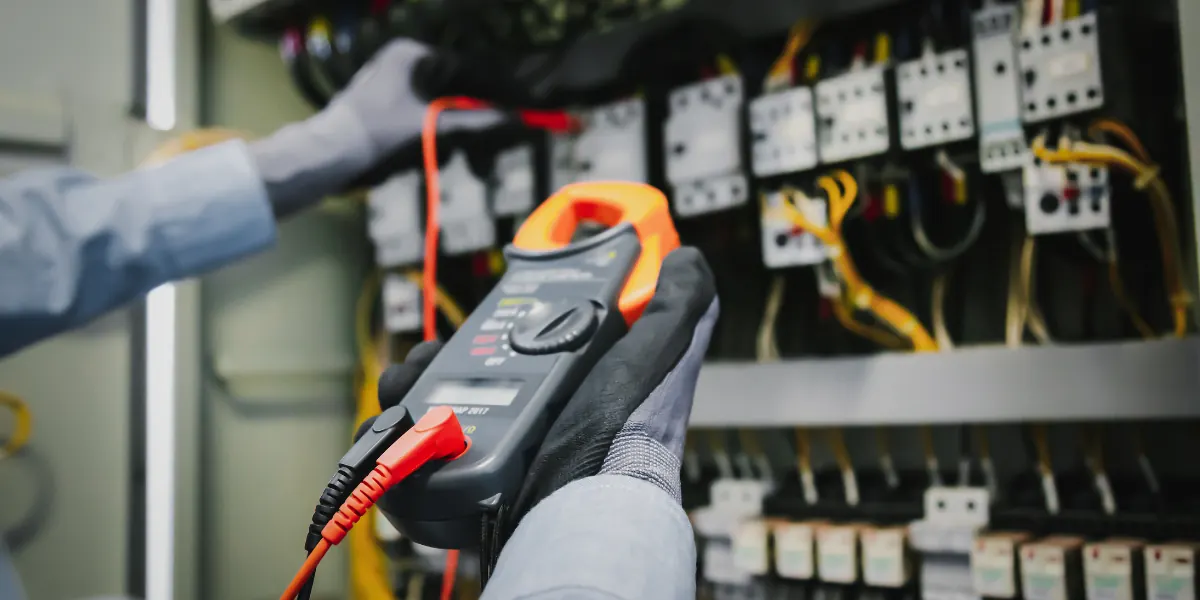
CTI's electrical program is 36 weeks and 600 clock hours. Total program cost is $10,475. Electrical training needs structured lab time and solid safety instruction.
When you're evaluating an electrical trade school, ask how the school teaches safety, code basics, and hands-on practice. That tells you a lot about skill-building and value.
Extra Costs Beyond Tuition (That Students Often Miss)
Tuition is the headline number, but it rarely tells the full story. Plan for the additional expenses that can come with trade school in Florida so you don't get caught off guard halfway through.
Common fees to ask about
These vary from school to school, so ask each one for exact amounts:
Registration or application fees
Lab or technology fees
Tools and safety gear (PPE)
Certification exam fees
Tools, gear, and supplies by program
Certain programs have certain requirements, and the list can look overwhelming at first. The good news is you can usually assemble your kit as you go, and some of it may be included in your school fees or tuition.
Here's a simple way to think about it:
HVAC trade school: gauges, basic hand tools, safety glasses, gloves
Electrical trade school: hand tools, testers, PPE, and code books, in some cases
Welding trade school: helmet, gloves, jacket, boots, safety gear
Before you enroll in any trade school, ask for a written breakdown of required tools and when you'll need them.
Public vs. Private Trade School Options in Florida
Florida offers a mix of public technical colleges and private career schools. Depending on your schedule and objectives, both can be a good option.
How public technical colleges can affect net price
Public institutions can sometimes come out cheaper, especially after grants or state support. Ask each school what your net price would be after any aid you qualify for.
That said, availability, program start dates, and scheduling can vary.
Private career schools and higher sticker prices
Private options may have a higher posted tuition, but they sometimes offer flexible scheduling, frequent start dates, and structured support services. For a lot of students, that flexibility means starting sooner instead of waiting for an annual enrollment window.
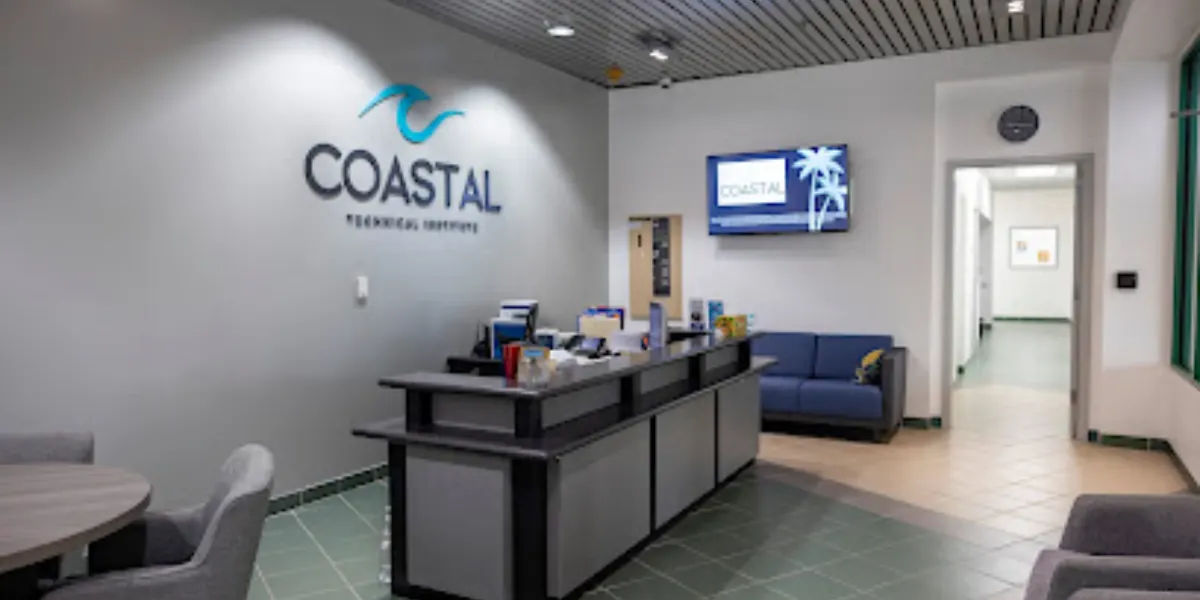
If you're considering Coastal Technical Institute, compare the program length, schedule options, lab time, and what support you get during training. CTI's trades programs start every quarter and mid-quarter.
How to Compare Trade Schools Without Getting Misled by Price
It's tempting to choose the lowest tuition and call it a win. But trade school costs should be weighed against what you get: training quality, hands-on time, and support.
Questions to ask before you enroll
Bring these questions to every tour or call:
What is the total program cost from start to finish?
What fees are separate from tuition?
What tools or gear do I need, and what does the school provide?
How many lab hours do students get each week?
What credentials or certifications does the program prepare me for?
What kind of career support is included?
What "value" looks like in an HVAC, electrical, or welding program
A strong program usually includes a clear training structure, real hands-on learning, and support as you prepare to enter the workforce.
A quick checklist that helps when comparing any trade school:
Hands-on labs built into the schedule
Instructors with real field experience
Equipment that matches what employers use
Resume and interview preparation
Introductions to local employers
At Coastal Technical Institute, career services include resume help, interview prep and introductions to local employers. Employment isn't guaranteed.
What Trade Workers Earn in Brevard County
This is the question behind the cost conversation. Here are the entry-level wages in the Palm Bay-Melbourne-Titusville area (25th percentile, U.S. Bureau of Labor Statistics OEWS, May 2025):
HVAC mechanics and installers: $46,960 a year
Electricians: $46,880 a year
Welders, cutters, solderers and brazers: $45,700 a year
Wages vary. Not a guarantee of employment or salary.
What affects pay in the trades?
The trade, experience, setting, shift and credentials all affect pay. As you gain experience and add certifications, you may move into specialized work, leadership, or even self-employment over time.
How long does training take?
One reason many students choose a trade school in Florida is time. Instead of spending years on a traditional path, trade programs are measured in weeks and months. At CTI, HVAC and electrical are 36 weeks each, and welding is 42 weeks.
Is Trade School a Good Choice in Florida?
For many students, yes. Florida has a wide range of training options in healthcare and the skilled trades. If you like hands-on work and want a focused path into a career, trade school can be a strong fit.
Signs that trade school may be right for you
You may enjoy trade training if you want:
Practical skills you can use right away
Hands-on learning instead of all lectures
A focused program tied to a specific career path
Training measured in months, not years
Picking the right program for your personality
If you're deciding between tracks, consider what kind of work you want to do daily.
HVAC trade school can be a great fit if you like troubleshooting and working with systems.
Electrical trade school may suit you if you enjoy precision, safety-focused work, and structured problem-solving.
Welding trade school often appeals to people who like building, fabrication, and hands-on skill mastery.
Conclusion
Trade school costs in Florida can feel like a big decision, but it gets much clearer once you break it into tuition, extra fees, tools, and your payment options. Whether you're leaning toward an HVAC trade school, electrical trade school, or welding trade school, the right program is the one that fits your schedule, your learning style, and your career plan.
If you want help comparing programs or getting a clear breakdown of what to expect, reach out to Coastal Technical Institute. Contact us to talk through your goals, program options, and upcoming start dates, or call (321) 914-3041.
CTI does not participate in federal Title IV financial aid programs. Payment plans available for those who qualify. Ask our admissions team about your options.
Frequently Asked Questions (FAQ)
Below are quick answers to common questions students ask when exploring trade school in Florida.
How much does it cost to go to trade school in Florida?
It depends on the school, the program and its length. At CTI, HVAC total program cost is $10,675, Electrical is $10,475, and Welding is $12,700. Always compare total cost to completion, including fees and tools.
Is trade school good in Florida?
Trade school can be a strong option in Florida, especially if you want hands-on training and a focused path into a field. The right choice depends on program quality, training time, and the support offered.
What affects what I'll earn after trade school?
Your trade, experience, setting and certifications all shape pay. Many trades offer room to grow as you move into specialty work or management.
Is 25 too old to start trade school training?
No. Many students begin trade school in their mid-20s, 30s, or later. Starting at 25 can actually be an advantage because you're choosing with clearer goals and stronger motivation.
Ready to get started?
Next cohort starts January 4, 2027. Call (321) 914-3041 or apply online.