
HVAC Technology · Palm Bay, FL
HVAC School in Palm Bay, FL
Florida runs on air conditioning. Learn to install, service, and troubleshoot the systems people can't live without.
Coastal Technical Institute's HVAC Technology program in Palm Bay, Florida trains you in installing, servicing, and troubleshooting heating, cooling, and refrigeration systems in 36 weeks (600 clock hours). Tuition is $10,675, with payment plans for those who qualify. No experience is required. The next class starts November 9, 2026.
- 600 hours of hands-on equipment training
- EPA 608 certification prep built in
- Day and evening class options
- No HVAC experience needed to start
Get the HVAC Program Details
Get tuition, schedule, and the November 9, 2026 start date. Admissions follows up within one business day.

Accredited by the Accrediting Council for Continuing Education & Training.
Licensed by the Florida Commission for Independent Education, License No. 5973.
Reporting period July 1, 2024 – June 30, 2025. Placement rate as defined by the Florida Commission for Independent Education: graduates employed, in active military service, or continuing their education, divided by graduates available for placement. See all disclosures.
Want a trade Florida needs all year long?
In Florida, AC isn't a luxury. It runs twelve months a year, and someone has to keep it running.
What would it mean for you to have a skill that doesn't slow down when the season changes?
You don't need a four-year degree to learn it. You need hands-on time with real equipment, EPA 608 prep, and a team that walks with you from day one. That's what you'll get here.
Get the Program Details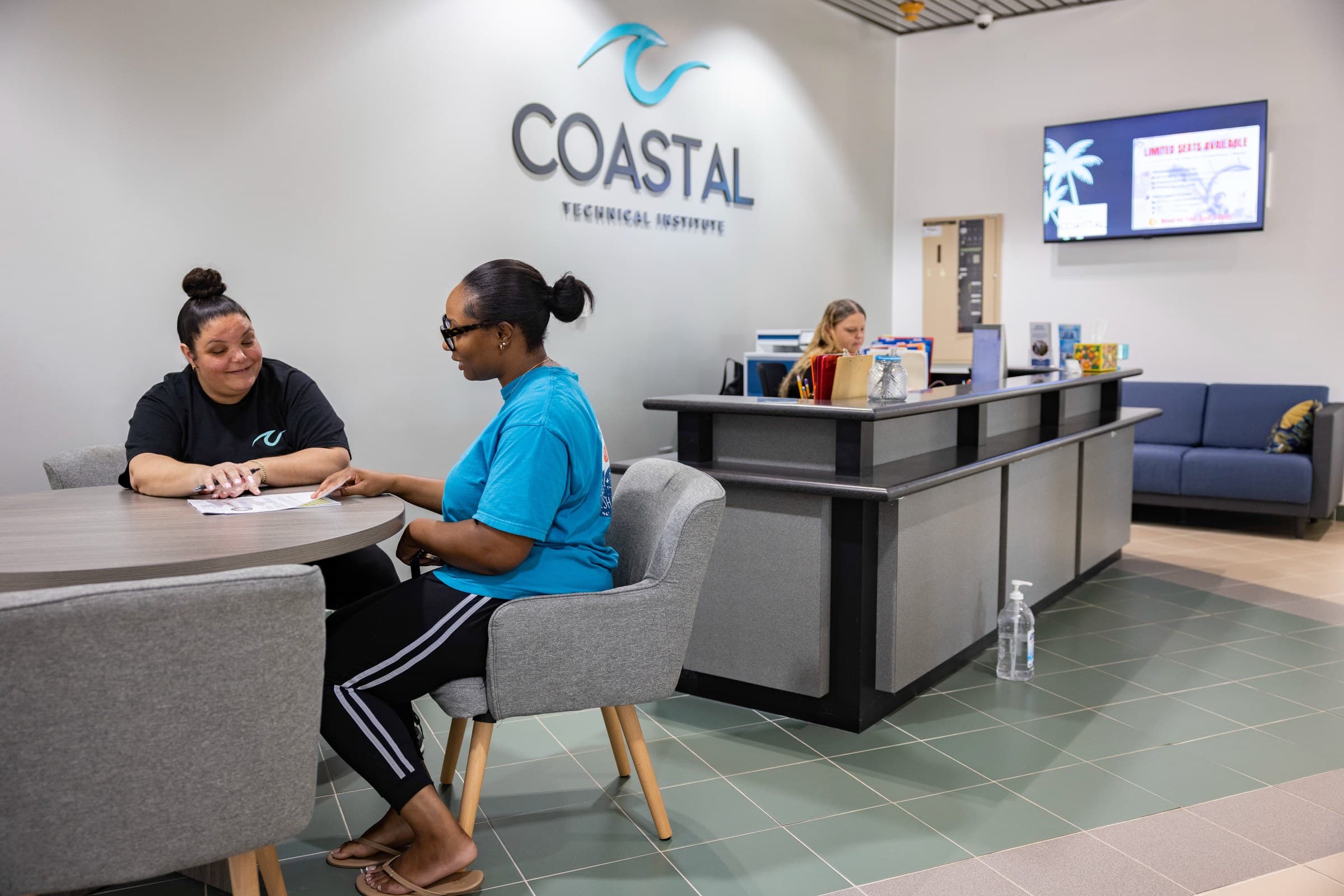
Your next chapter
Picture yourself 36 weeks from now
You walk up to a unit that isn't cooling and know where to start.
You read the gauges, trace the problem, and explain the fix to the customer.
You're prepared for the EPA 608 exam that most refrigerant work requires.
What you'll learn in HVAC Technology
You'll train on real HVAC equipment, not textbook simulations. Every module pairs the theory with work you do yourself.
- Basic and advanced HVAC system operation
- Refrigeration cycle principles and safety
- Troubleshooting and repair techniques
- Ductwork, electrical systems, and thermostats
- Commercial refrigeration
- HVAC system design principles
- EPA regulations and compliance
- EPA 608 certification preparation
HVAC Technology at a glance
- Program length
- 36 weeks (600 clock hours)
- Tuition
- $10,675
- Payment
- Payment plans available for those who qualify.
- Credential
- Certificate of Completion
- Certification prep
- EPA 608 Certification
- Next start
- November 9, 2026
- Experience needed
- None
- Campus
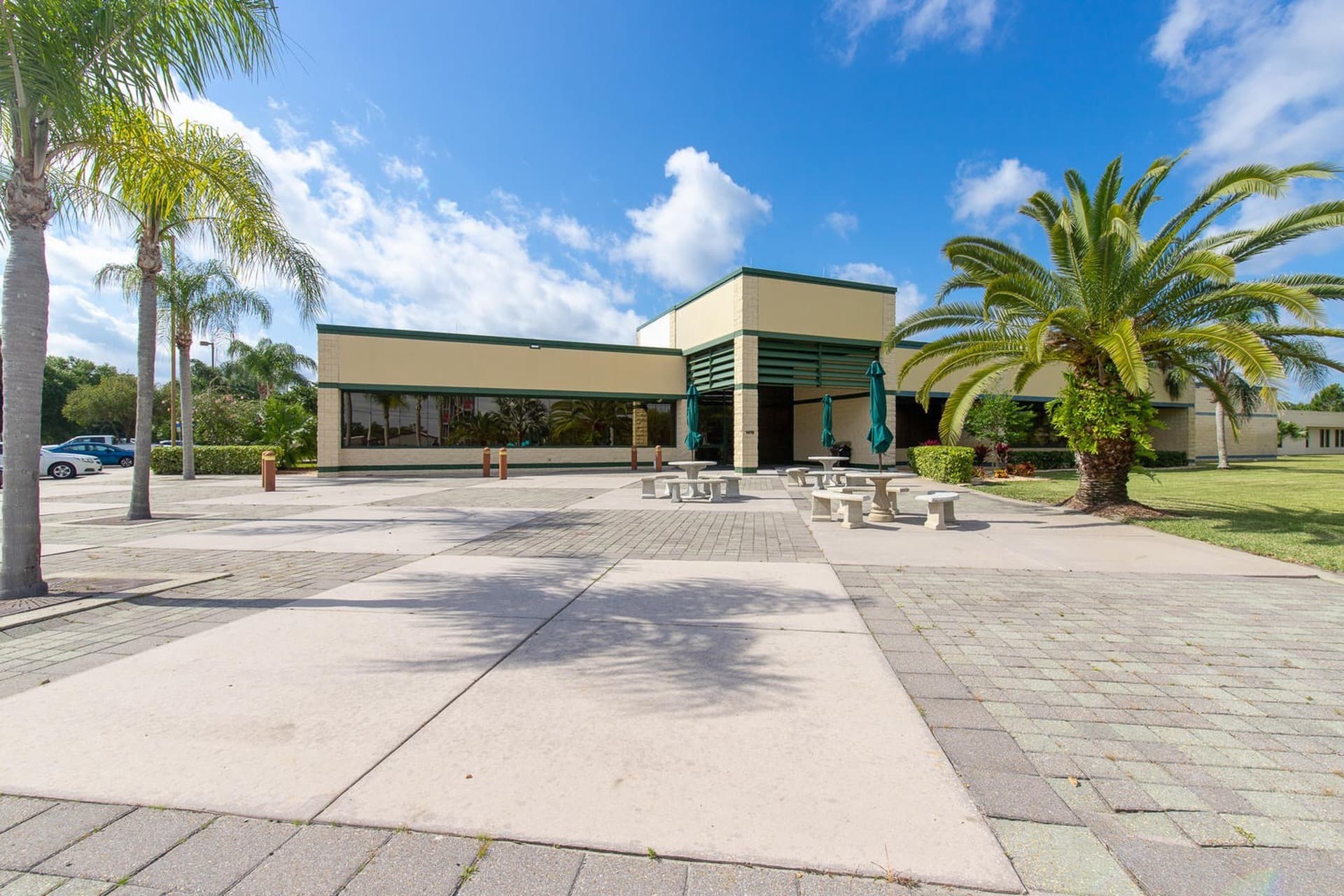
- 1470 Treeland Blvd SE, Palm Bay, FL 32909
Full details on the HVAC Technology program page and in the course catalog.
Everything you need to start your HVAC career
Refrigeration cycle
Understand how cooling works and how to handle refrigerants safely.
Electrical and controls
Wire thermostats, read diagrams, and troubleshoot the electrical side of HVAC.
Ductwork and airflow
Learn how systems move air and how to diagnose comfort problems.
Commercial refrigeration
Go beyond home systems into the equipment businesses rely on.
EPA 608 certification prep
Prepare for the EPA Section 608 exam that most refrigerant work requires.
Career services
Resume help, interview prep, and introductions to local employers. Employment isn't guaranteed.
Where HVAC technicians work
Heating and cooling systems keep homes, schools, and businesses running across Brevard County.
Entry-level wage = 25th percentile annual wage, U.S. Bureau of Labor Statistics, Occupational Employment and Wage Statistics, Palm Bay-Melbourne-Titusville, FL, May 2025. Source. Wages vary. Not a guarantee of employment or salary.
- Residential HVAC service
- Commercial HVAC
- New construction installs
- Commercial refrigeration
- Building maintenance
- Service and repair companies
Career options depend on employer requirements, certifications, and experience.
Three simple steps to your first day
- 1
Request your details
Fill out the short form. It takes about a minute, and admissions follows up fast.
- 2
Talk with admissions
Get answers on schedule, tuition, and payment plans for those who qualify.
- 3
Tour the lab and pick your start
See where you'll train, meet the team, and reserve your start date, starting as soon as November 9, 2026.
HVAC Technology questions, answered
How long is HVAC school at Coastal Technical Institute?
The HVAC Technology program is 600 clock hours over 36 weeks, with day and evening class options.
Do I need HVAC experience to enroll?
No. The program is built for people entering the trade for the first time.
What will I learn?
HVAC system operation, the refrigeration cycle, electrical systems and thermostats, ductwork, commercial refrigeration, troubleshooting and repair, EPA regulations, and EPA 608 certification prep.
How much does HVAC school cost?
Tuition is $10,675. Payment plans are available for those who qualify. Admissions will walk you through your options.
How much do HVAC technicians make in Brevard County?
The entry-level wage for HVAC mechanics and installers in the Palm Bay-Melbourne-Titusville area is $46,960 a year (25th percentile, U.S. Bureau of Labor Statistics OEWS, May 2025). Wages vary. Not a guarantee of employment or salary.
What is EPA 608 certification?
EPA Section 608 certification is required to buy and handle most refrigerants. Prep for the exam is built into the program.
When does the next HVAC class start?
Trades classes start every six weeks. See the next start date on this page, or call admissions to reserve yours.
Where is the HVAC school located?
Our campus is at 1470 Treeland Blvd SE, Palm Bay, FL 32909. Students commute from Palm Bay, Melbourne, West Melbourne, Malabar, Sebastian, Grant-Valkaria, and across Brevard County.
Your HVAC career starts with one conversation
The next class starts November 9, 2026. Get your details now and talk with admissions this week.
Last updated October 26, 2026. Program details are subject to the current course catalog; confirm tuition, fees, and dates with admissions.