
The role of a Certified Nursing Assistant (CNA) is one of the most vital and fulfilling in healthcare. CNAs provide essential care to patients, ensuring their comfort and well-being while working closely with nurses and other medical staff. If you’re looking for a fast track to enter this rewarding career, Coastal Technical Institute, a trusted nursing academy, offers one of the leading nursing training programs that can prepare you to become a certified CNA in just six weeks.
This blog will walk you through the step-by-step process of becoming a CNA at Coastal Technical Institute (CTI), providing tips for success along the way. By the end, you'll have a clear understanding of what to expect, how to prepare, and how to maximize your chances of success in the field of healthcare.
The Importance of Becoming a CNA
Certified Nursing Assistants play a key role in the healthcare system by providing direct patient care in settings like hospitals, nursing homes, and assisted living facilities. The demand for CNAs is on the rise, making this a stable and rewarding career option. The good news is that you can complete CTI's CNA Program in just six weeks. It is one of the most comprehensive nursing education programs designed to prepare future healthcare professionals.
In this guide, we’ll provide detailed instructions on how to become a CNA, from enrollment to certification, and offer practical tips to help you excel throughout your journey.
Step 1: Enroll in Coastal Technical Institute’s CNA Program
Your journey begins by enrolling in CTI's six-week Certified Nursing Assistant (CNA) Program. As a respected nursing academy, CTI offers one of the most practical nursing training programs, designed to equip you with the knowledge and skills you need to prepare for the Florida Nurse Aide exam and begin your healthcare career.
Step-by-Step Enrollment Process:
Submit Your Application: Complete the application form. Check the upcoming start dates and apply early so you don't miss the class you want.
Take the Entrance Exam: To join the program, you'll need to pass an entrance exam. Make sure to prepare well in advance.
Register and Plan Your Payments: After passing the entrance exam, complete your registration. Tuition for the CNA program is $1,180, and payment plans are available. CTI does not participate in federal Title IV financial aid programs, but our admissions team can walk you through your payment options.
Tip for Success: Start the application process early to avoid missing deadlines. If you feel unprepared for the entrance exam, CTI offers resources and study materials to help you prepare with confidence.
Step 2: Dive Into Classroom and Practical Learning
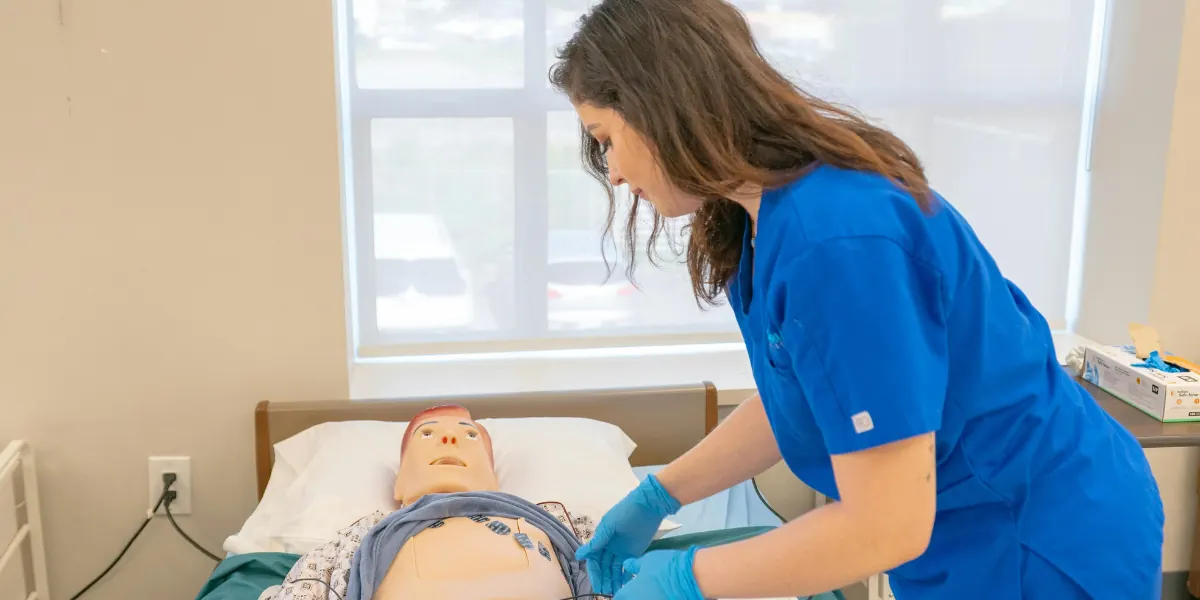
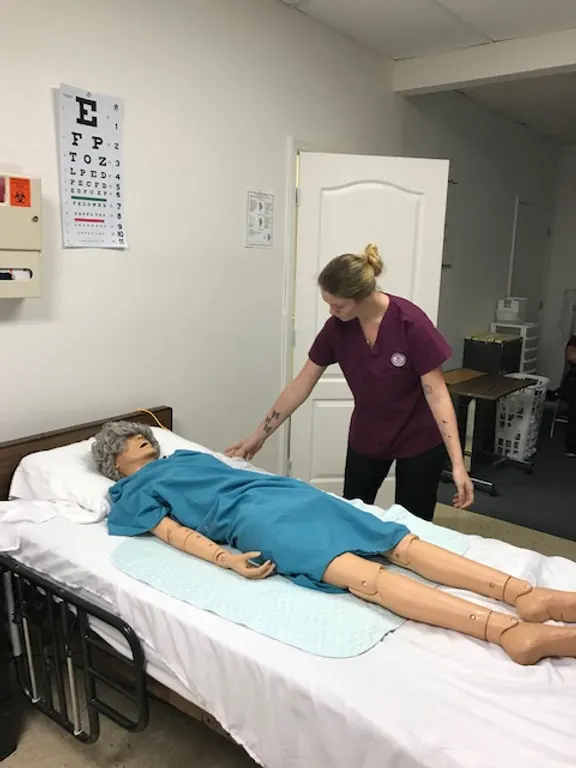
Once you've enrolled in the CNA Program, you'll spend the next six weeks immersed in both classroom instruction and hands-on training. This combination makes CTI one of the leading nursing education programs for aspiring healthcare professionals. This blend of learning ensures that you not only understand the theory behind patient care but also have the opportunity to practice it in real-world settings.
Course Overview:
Program Length: Six weeks / 120 clock hours (including 40 clinical externship hours)
During the program, you'll learn a wide range of skills, including:
Patient care fundamentals: How to bathe, dress, and assist patients with daily activities.
Vital signs monitoring: Accurately measuring blood pressure, pulse, and temperature.
Patient positioning: Safely turning and repositioning bedridden patients to avoid bedsores.
Patient assessment: Observing and reporting changes in patient health conditions to nurses and doctors.
Tip for Success: Stay engaged during both classroom and clinical sessions. Ask questions, take detailed notes, and practice as much as possible to reinforce your learning.
Step 3: Gain Real-World Experience in Clinical Settings
One of the most important aspects of CTI's CNA Program is the supervised clinical experience, giving students real-world experience that complements its comprehensive nursing training programs. Here, you'll put your newly acquired skills into practice by working with real patients under the supervision of healthcare professionals in local nursing homes and hospitals.
Step-by-Step Guide to Excelling in Your Clinical Rotations:
Be Professional: Always arrive on time, follow the dress code (including required scrubs), and treat this experience as if it were a job.
Observe and Learn: Watch how experienced CNAs interact with patients and staff. Ask for feedback and advice whenever possible.
Apply Classroom Knowledge: This is your opportunity to demonstrate what you’ve learned in a real-world environment. Practice everything from patient assessments to assisting with mobility.
Document Your Experience: Keep a log of your clinical hours and key experiences. This will help you prepare for your exam and job interviews.
Tip for Success: Build strong relationships with your clinical supervisors and peers. Networking in these settings can often lead to job offers once you complete your program and earn your certification.
Step 4: Prepare for the Florida Nurse Aide Exam
After completing your six-week program, the final step to becoming a CNA is passing the Florida Nurse Aide exam. This exam is administered by Prometric, and passing it is necessary to become a licensed Certified Nursing Assistant in Florida.
Step-by-Step Exam Preparation:
Review Study Materials: As a leading nursing academy, Coastal Technical Institute provides ample resources to help you prepare for the exam, including study guides and practice tests.
Focus on Key Skills: The exam will test both your theoretical knowledge and practical skills. Pay extra attention to high-demand skills like taking vital signs, assisting with daily activities, and understanding infection control protocols.
Schedule the Exam: Make sure to register for your exam well in advance. You'll need to complete it before you can start working as a CNA.
Practice with a Study Group: Studying with fellow students can help reinforce your knowledge and provide moral support before the exam.
Tip for Success: Practice your skills repeatedly in a mock exam setting. Simulating the test environment will help you feel more confident on exam day.
Step 5: Start Your Career as a Certified Nursing Assistant
Once you pass the Florida Nurse Aide exam, you’ll officially be a licensed CNA and ready to begin your career. The demand for CNAs is high, meaning you'll have plenty of opportunities to find work in hospitals, long-term care facilities, and home healthcare settings.
Step-by-Step Guide to Finding Your First CNA Job:
Polish Your Resume: Highlight the skills and clinical experience you gained during the program. CTI’s career services team can help you create a professional resume.
Network: Utilize the connections you made during your clinical rotations. Reach out to supervisors and ask for references or job leads.
Apply to Local Healthcare Facilities: Hospitals, nursing homes, and home care agencies are always looking for qualified CNAs. Be proactive in sending out applications and attending interviews.
Continue Your Education: If you're interested in furthering your career, CTI offers additional nursing education programs, including practical nurse (PN) and phlebotomy (PHL) training, allowing you to continue your professional growth.
Tip for Success: Consider starting with per diem or part-time work to gain experience before transitioning to full-time employment. This allows you to ease into your new role while expanding your skill set.
Achieve Your CNA Certification in Just 6 Weeks
Becoming a Certified Nursing Assistant is a rewarding career choice, and with Coastal Technical Institute's CNA program, you can quickly transition from student to healthcare professional. Whether you're looking for quality nursing training programs or trusted nursing program classes, CTI provides the education and support needed to prepare for your CNA certification. By following the steps outlined above, from enrollment to certification, you’ll be well-prepared to enter the workforce and make a meaningful impact in the lives of your patients.
As a trusted nursing academy, Coastal Technical Institute's combination of classroom instruction, hands-on clinical experience, nursing education programs, and exam preparation gives you a strong foundation to pursue your CNA certification and succeed in healthcare. Take the first step today, and in just six weeks, you could be ready to start your new career as a CNA, helping those in need and building a bright future in healthcare!
Frequently Asked Questions (FAQs)
Q1: How long does it take to complete the CNA program at Coastal Technical Institute?
The CNA Program at Coastal Technical Institute can be completed in just six weeks (120 clock hours), including classroom instruction, hands-on training, and 40 hours of supervised clinical externship.
Q2: What will I learn during the Certified Nursing Assistant program?
Students learn essential patient care skills, including bathing, dressing, monitoring vital signs, infection control, patient positioning, communication, and clinical procedures needed to become a certified nursing assistant.
Q3: Do I need healthcare experience before enrolling in the CNA program?
No prior healthcare experience is required. CTI's CNA Program is designed for beginners and provides the training and support needed to prepare for a successful healthcare career.
Q4: How do I earn my CNA certification after completing the program?
After completing the training, you'll need to pass the Florida Nurse Aide Exam. Once you pass the exam, you'll receive your CNA certification and become eligible to work as a Certified Nursing Assistant.
Q5: What career opportunities are available after completing the CNA program?
After earning your CNA certification, you can pursue careers in hospitals, nursing homes, assisted living facilities, rehabilitation centres, and home healthcare agencies. Many students also continue their education through advanced nursing education programs such as Practical Nurse (PN) training.
Ready to get started?
Next cohort starts November 9, 2026. Call (321) 914-3041 or apply online.