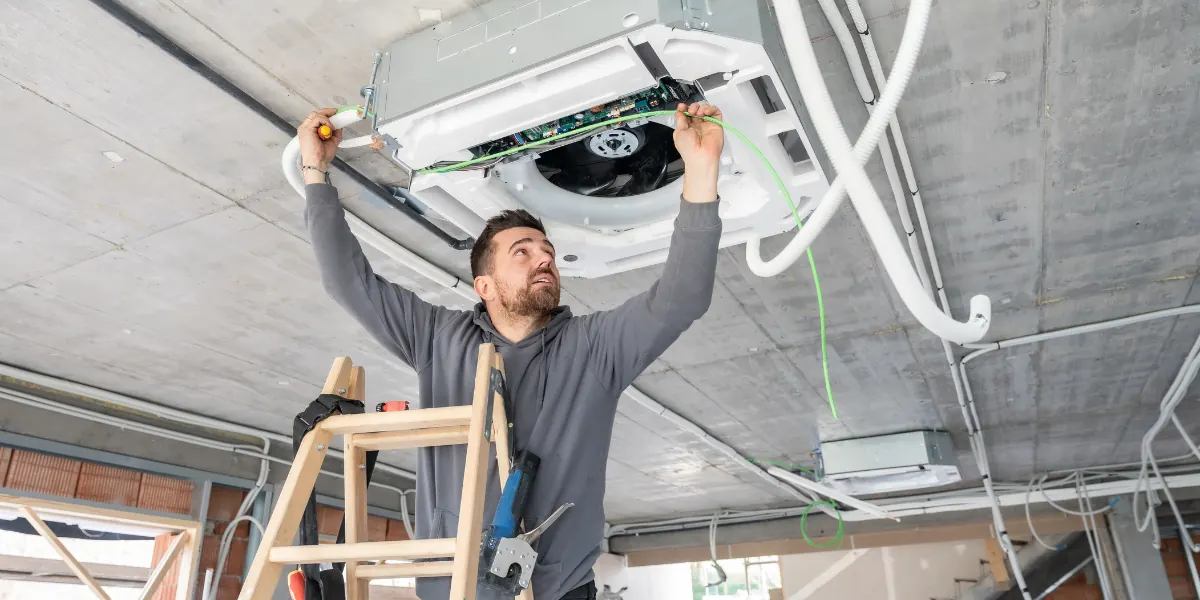
Choosing a career path does not always require spending four years in college. Many people are looking for hands-on careers where they can develop practical skills and prepare for opportunities in growing industries.
Skilled trades training in Florida gives students the chance to develop real-world abilities in areas like HVAC, electrical technology, and welding. These programs mix classroom instruction with hands-on lab experience, helping students understand the tools, techniques, and safety practices used in the field.
At Coastal Technical Institute, students can explore career-focused training programs designed around today's workforce needs. Our trade programs help prepare individuals who want to build skills for careers in growing industries.
Why Skilled Trades Training Is Growing In Florida
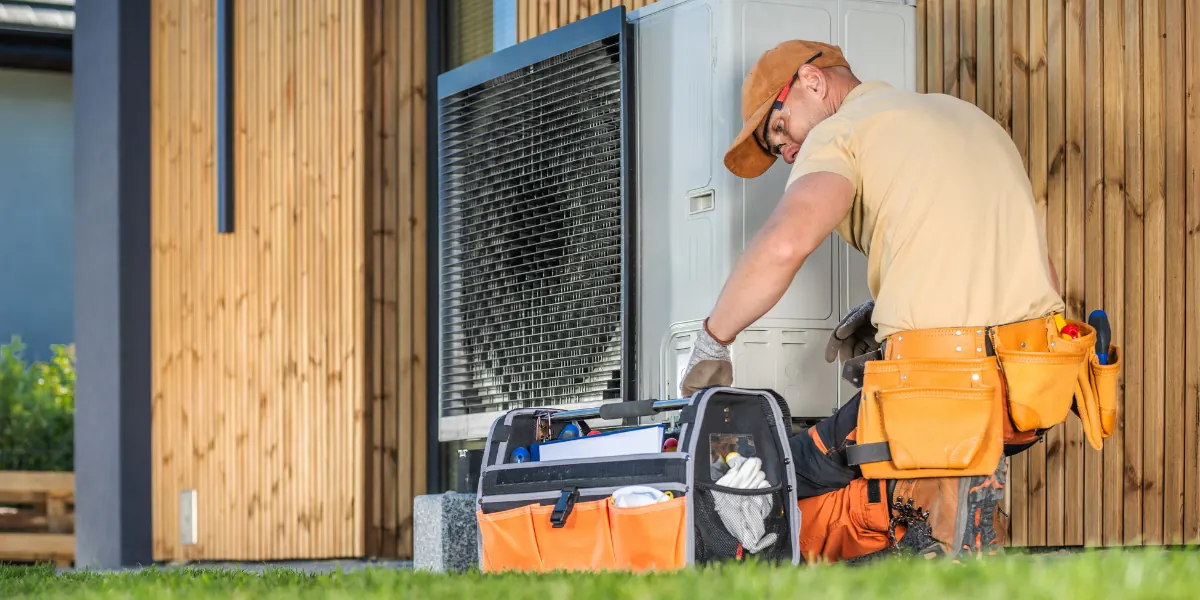
With Florida's rising population, building and maintenance services are still offering opportunities for trained individuals. Industries need trained experts to install, repair, maintain, and upgrade critical systems utilized in homes, companies, and buildings.
All new students fail to realize one thing: trade occupations require problem-solving skills on a daily basis. A technician is not only doing what he/she is told. They are finding answers in a safe way, finding issues, and making decisions.
Programs focused on skilled trades training help students build this combination of technical knowledge and practical thinking.
At Coastal Technical Institute, students can choose from programs designed around specific career goals, including:
HVAC technician training
Electrical technology training
Welding technology training
HVAC Training And Career Opportunities In Florida
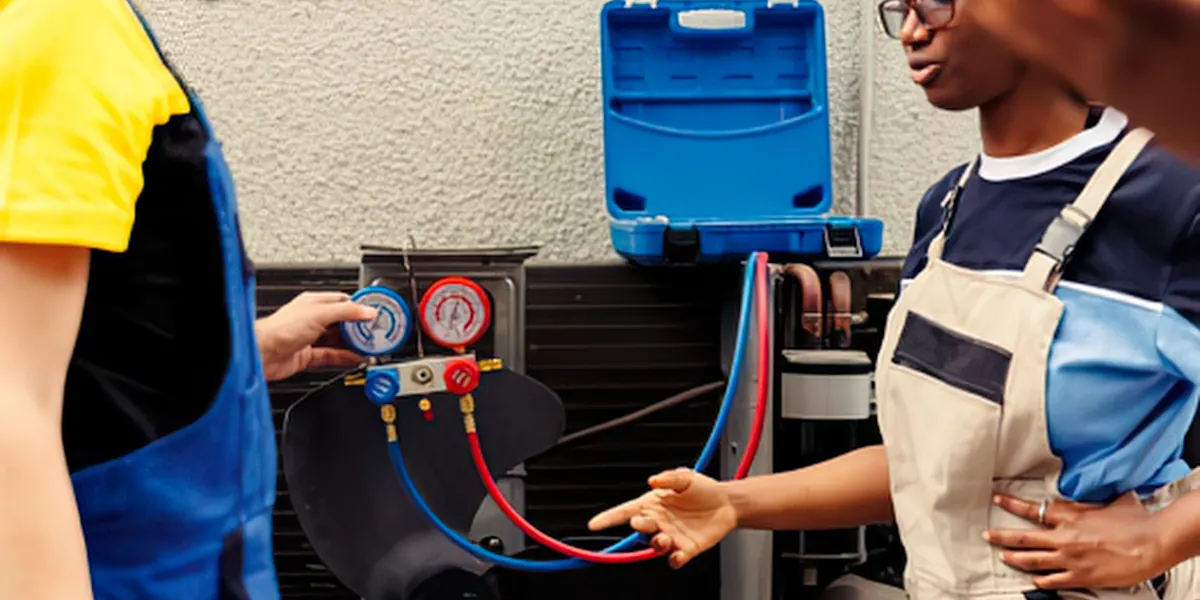
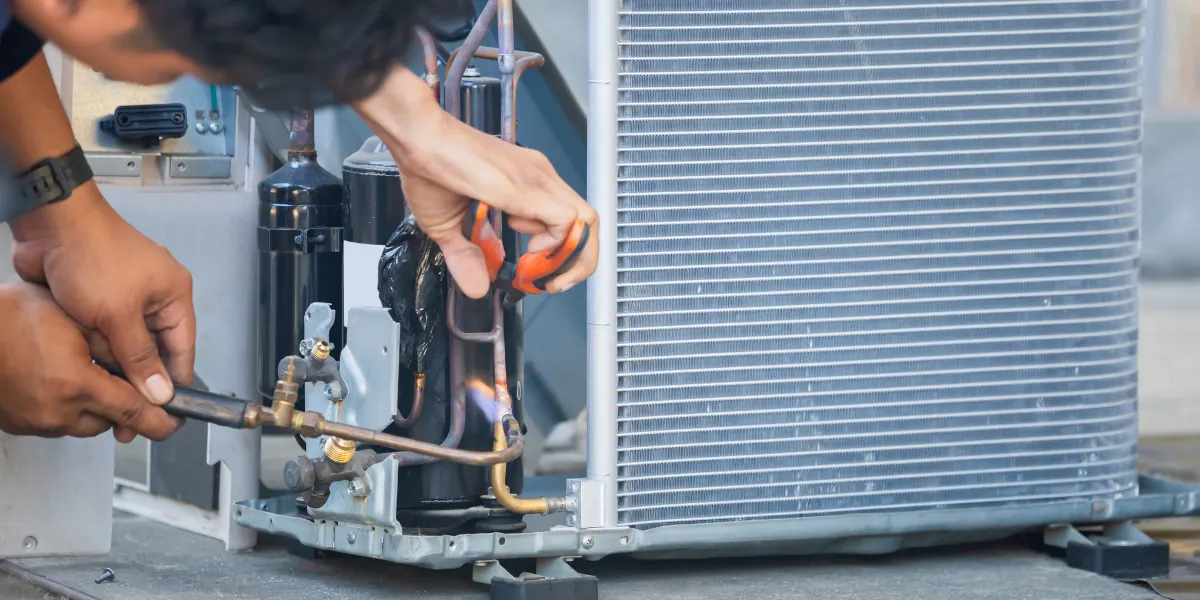
HVAC technicians play an important role in Florida because heating and cooling systems are needed throughout the year. The state's warm climate creates consistent demand for professionals who can install, maintain, and repair air conditioning systems.
A quality HVAC technician training program teaches students how HVAC systems operate and how to troubleshoot common problems.
Students typically learn skills such as:
Air conditioning installation procedures
Equipment maintenance
Refrigeration basics
Electrical components used in HVAC systems
Safety practices for working with HVAC equipment
Coastal Technical Institute offers an HVAC technician training program designed to assist students in developing practical skills required for the field.
Many people entering this industry also need certifications and licensing knowledge. For example, technicians who handle refrigerants must understand EPA Section 608 requirements.
Electrical Training Builds Skills For A Growing Industry
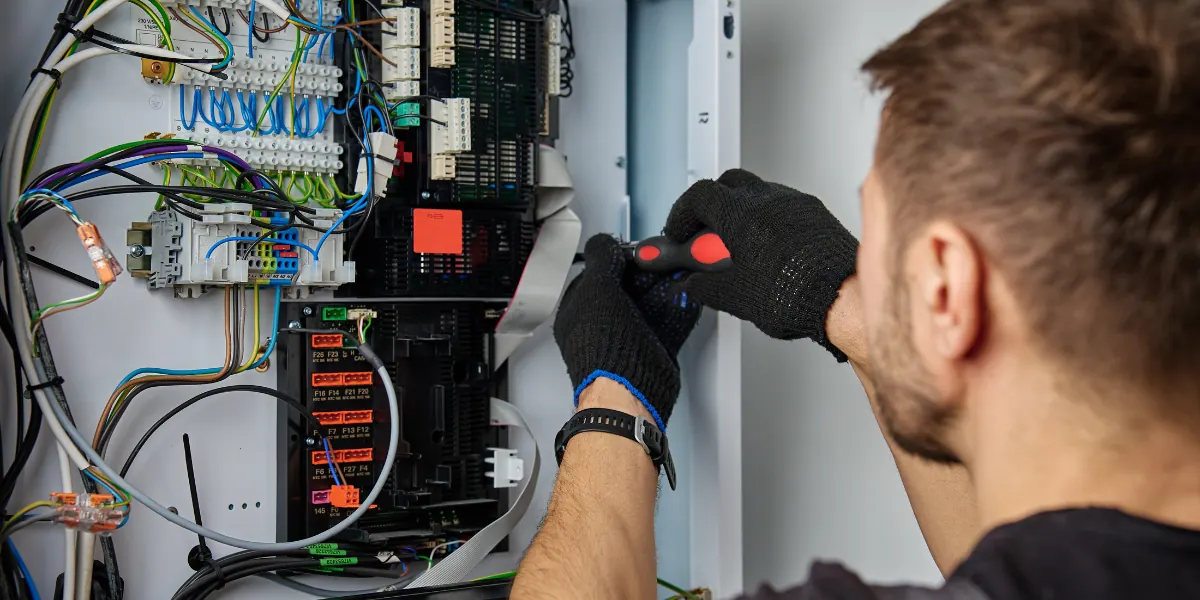
Electrical work requires accuracy, attention to detail, and a strong understanding of safety procedures. Electricians work with wiring systems, electrical components, control systems, and equipment used across residential and commercial properties.
An electrical technician training program helps students understand the fundamentals behind electrical systems before applying those skills in practical environments.
Students can learn areas such as:
Electrical wiring methods
Circuit testing
Safety procedures
Electrical codes and standards
Installation techniques
Coastal Technical Institute provides an electrical technology program for students interested in developing electrical career skills.
A common misconception is that electrical careers are only about physical installation work. In reality, technicians often spend time diagnosing problems, reading technical information, and finding efficient solutions.
Welding Training And Career Opportunities In Florida
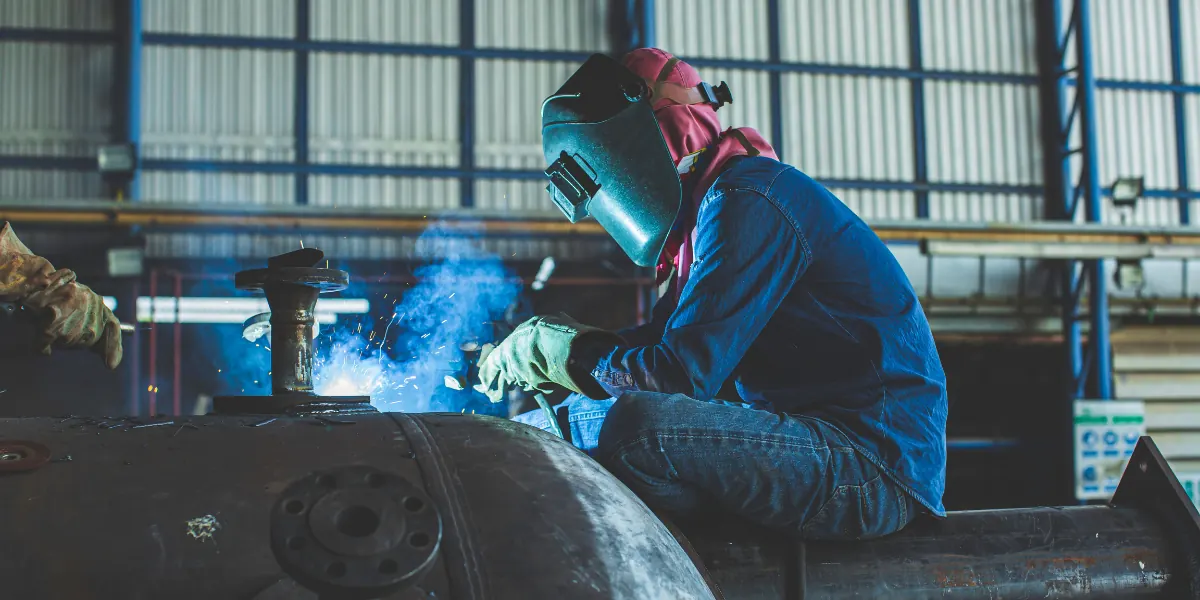
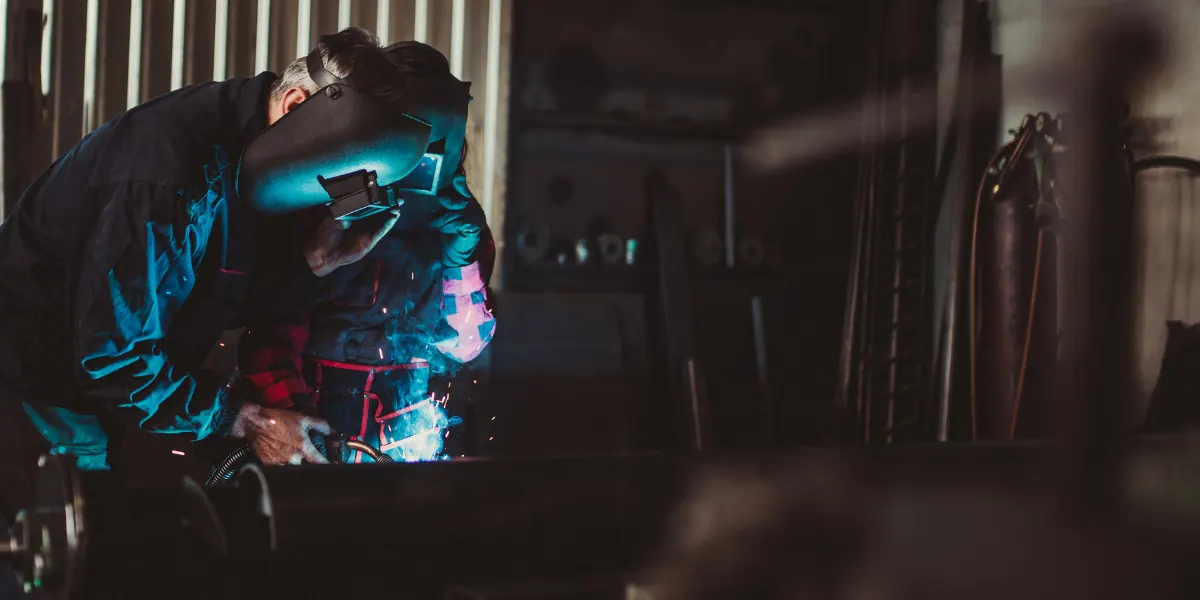
Welding is another skilled trade that plays an important role in construction, manufacturing, repair, and fabrication. Skilled welders use specialized techniques to join metal parts and create strong, reliable structures.
A welding training Florida program helps students understand different welding methods, equipment operation, and safety procedures before entering the workforce.
Students may learn techniques such as:
MIG welding
TIG welding
Arc welding
Metal preparation
Welding safety practices
Blueprint reading basics
At Coastal Technical Institute, the welding technology program helps students build foundational skills through practical training.
One thing most new pupils don't know is that it takes technical ability and patience to weld. Small differences in position, heat management, or technique may alter the quality of the finished weld. Students get hands-on experience and the confidence they need to succeed in a real job environment.
Comparing HVAC, Electrical, And Welding Career Paths
Each trade offers a different work environment and skill emphasis. Knowing the distinctions might help students find a program that matches their interests.
What Should You Look For In A Skilled Trades Training Program?
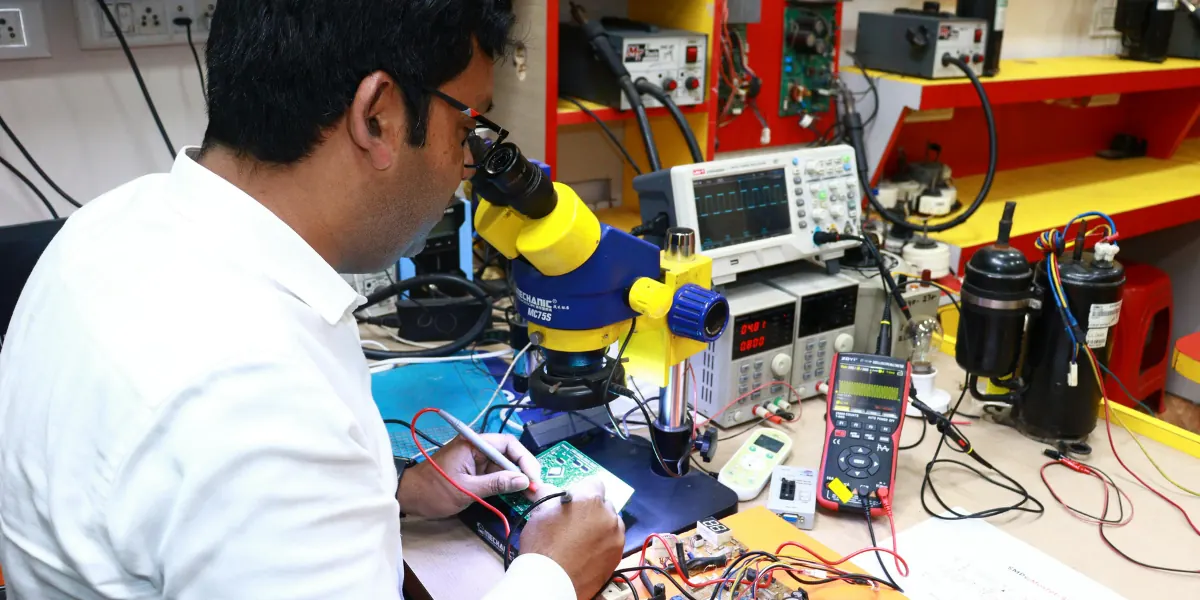
Choosing a training program is an important decision. The right program should provide more than classroom information. Students need opportunities to practice skills, understand workplace expectations, and become comfortable using industry tools.
Before enrolling, consider these factors:
1. Hands-On Learning Opportunities
Yes, skilled trades training can teach you hands-on skills for jobs in industries that demand qualified people. Students can train for hands-on positions in HVAC, electrical, and welding programs.
2. Industry-Relevant Curriculum
The technologies and tools are constantly changing. A good curriculum should focus on skills that are congruent with current industry practices.
3. Experienced Instruction
Learning from instructors with real industry experience can help students understand what the work is actually like.
4. Career-Focused Training
Students should understand how their training connects to future job opportunities and workplace expectations.
Coastal Technical Institute focuses on career-oriented education with programs designed to support students develop practical skills for the workforce.
Common Questions Students Ask Before Starting Trade Training
Many students have similar questions before beginning a skilled trade program. Understanding what to anticipate can make the decision easier.
Is skilled trades training in Florida a good option for career development?
Yes, skilled trades training can teach you hands-on skills for jobs in industries that demand qualified people. Students can train for hands-on jobs in HVAC, electrical, and welding programs.
How long does trade training usually take?
Length of training varies by curriculum and job route. Trade programs can be completed in shorter time than typical degree programs, providing targeted vocational training.
Do HVAC technicians need certifications?
HVAC technicians who work with refrigerants need EPA Section 608 certification. Additional needs may vary depending on the type of work and licensing rules.
Can beginners join HVAC or welding programs?
Many training programs are designed for beginners who want to build foundational skills before entering the industry.
What skills are important for trade careers?
Technical knowledge, attention to detail, safety awareness, and problem-solving skills are valuable in skilled trade careers.
Final Thoughts On Skilled Trades Training In Florida.
For people who want to work with their hands and solve genuine problems, there are practical employment options in the skilled trades. HVAC, electrical, and welding occupations demand a commitment, technical know-how, and regular practice.
The right training program can help students build a strong foundation before entering the workforce. Coastal Technical Institute provides career-focused programs designed to help students gain skills through practical learning.
If you are exploring skilled trades training near me, connect with Coastal Technical Institute to learn about available programs and training options.
Contact Coastal Technical Institute today to explore your trade career opportunities.
Ready to get started?
Next cohort starts November 9, 2026. Call (321) 914-3041 or apply online.