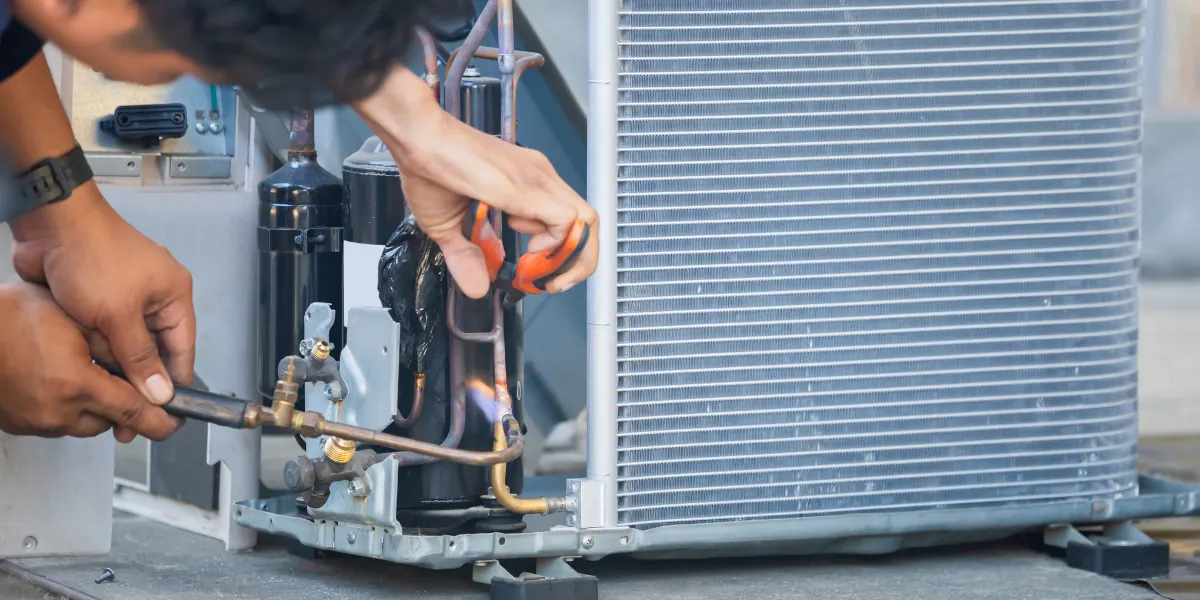
If you like figuring out why a machine stopped doing what it should, HVAC can be a rewarding trade for people who enjoy hands-on problem-solving. In Florida, that skill has a practical place almost everywhere, from homes and apartment buildings to medical offices, restaurants, schools, and commercial properties.
Most Florida HVAC Training programs are career-oriented, and students develop hands-on skills and are trained in HVAC systems, including those that use refrigerants, and may receive EPA Section 608 certification if required, and then acquire field experience. A Florida contractor license is only a separate requirement if individual contractors or those qualifying a business want to contract independently. Isn't required for all entry-level HVAC workers.
At Coastal Technical Institute, students come to HVAC from different starting points. Some already like tools. Others are changing careers and have never opened an electrical panel. The better question is, "Am I willing to practice until the process starts making sense?"
What the path to an HVAC career in Florida looks like
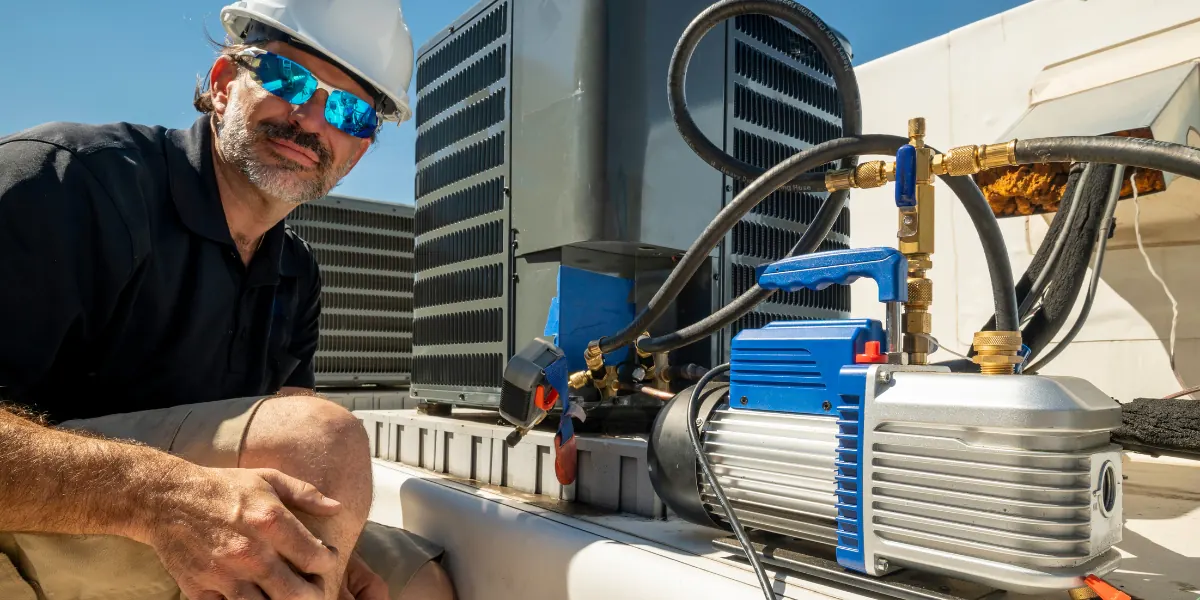
The basic sequence is clear: learn the fundamentals, practice on equipment, understand safety, prepare for required certification, then start building field experience.
For someone who wants a structured starting point, an HVAC technician training program can put those pieces in one place. Coastal Technical Institute's HVAC Technology diploma is listed at 36 weeks and 600 clock hours, with classroom and laboratory instruction covering HVAC, refrigeration, electrical systems, troubleshooting, and system design.
That timeline matters for career changers. A four-year degree is not the standard entry route for this occupation. Nationally, the Bureau of Labor Statistics lists a postsecondary nondegree award as the typical entry-level education and projects HVACR employment to grow 11% from 2025 to 2035.
Start by understanding the work, not only the job title
HVAC sounds simple until you see the range of problems technicians deal with. One call may involve weak airflow. Another could be an electrical fault, a failed capacitor, a thermostat issue, a refrigerant problem, or a system that was installed poorly years ago.
Florida adds its own conditions. Heat, humidity, attics, outdoor equipment, and busy service schedules can make the work physically demanding. Our guide to what makes HVAC work challenging during training can help you judge the fit.
There is a people side to the job too. A technician may need to explain a problem to a homeowner who is hot, worried about cost, and waiting for the air conditioning to come back on. Clear communication matters.
If you are still comparing trades, our guide to HVAC, electrical, and welding career fit can help you think about the kind of work you actually enjoy.
Choose the training route that matches how you learn
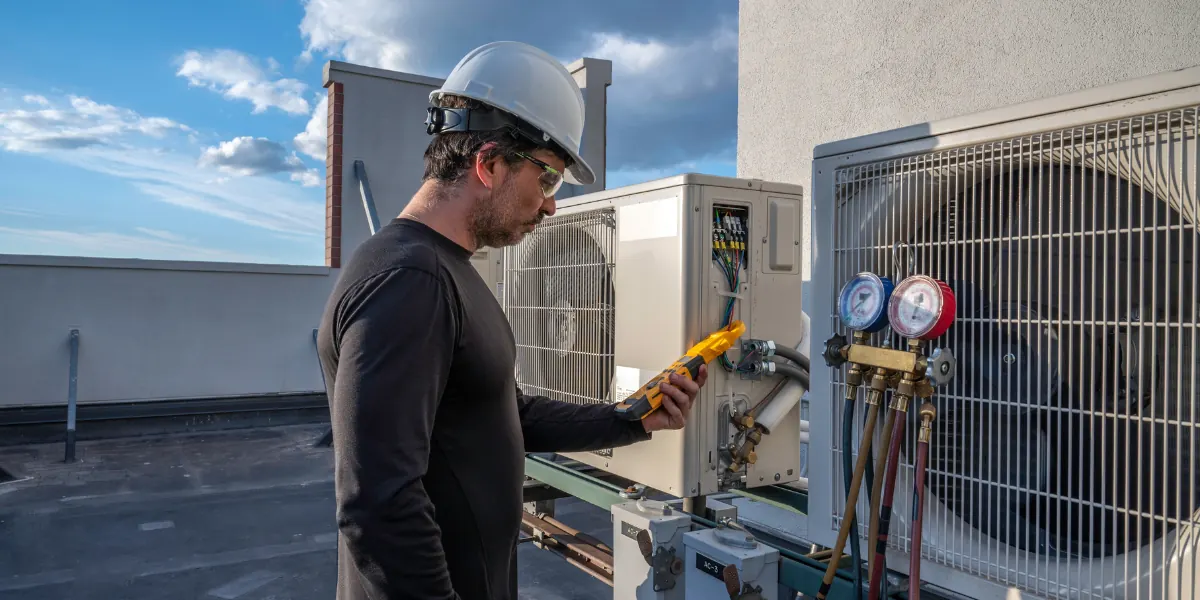
Some people learn through trade school. Others enter through an apprenticeship or start as a helper. Online material can help with theory, review, or exam preparation, but HVAC repair training online cannot replace time with tools and equipment.
Watching someone diagnose a no-cool call is useful. Doing it yourself is different. You have to take measurements, trace a circuit, notice what seems off, and decide what to test next.
For students around Brevard County, our HVAC training in Palm Bay gives a closer look at how local training connects classroom concepts with the conditions technicians see in Florida.
Build the skills employers expect from an entry-level technician
A good HVAC technician course should teach the theory, then give students repeated chances to apply it. Memorizing terms helps. Knowing what to check when readings do not match the textbook matters more.
Core skills usually include electrical safety, motors and controls, thermostats, airflow, ductwork, the refrigeration cycle, system components, basic heating, charging and recovery procedures, and troubleshooting. At Coastal Technical Institute, students work with equipment in lab settings rather than relying only on lecture-based instruction.
There is a practical habit behind all of those skills: test before guessing. New technicians can lose time by replacing the part that looks suspicious instead of following the evidence. Training should help you slow that impulse down. Check the complaint, inspect the system, take measurements, compare what you find with how the system should operate, and then make a decision.
That kind of repetition is one reason hands-on HVAC technician training matters. It gives mistakes a safer place to happen, where an instructor can correct the process before the same habit follows you into a customer's home or a commercial job site.
Understand EPA Section 608 certification before you enter the field
EPA Section 608 is one of the most important credentials for HVAC work involving stationary air-conditioning and refrigeration systems. Federal rules require technicians who maintain, service, repair, or dispose of equipment in ways that could release regulated refrigerants to be certified by passing an EPA-approved test.
There are four certification categories: Type I for small appliances, Type II for high- or very high-pressure appliances, Type III for low-pressure appliances, and Universal for technicians who pass all types. The credential does not expire.
Coastal Technical Institute includes EPA 608 certification preparation in its HVAC curriculum. If certification questions are already on your mind, our guide to HVAC technician certification in Florida explains the distinction between training, federal refrigerant certification, and state contractor licensing in more detail.
An HVAC technician certification and an HVAC installer certification are not automatically the same thing. Employers may use job titles differently, and some credentials are voluntary. Always check what a specific employer expects for the work you want to do.
Know when Florida contractor licensing becomes relevant
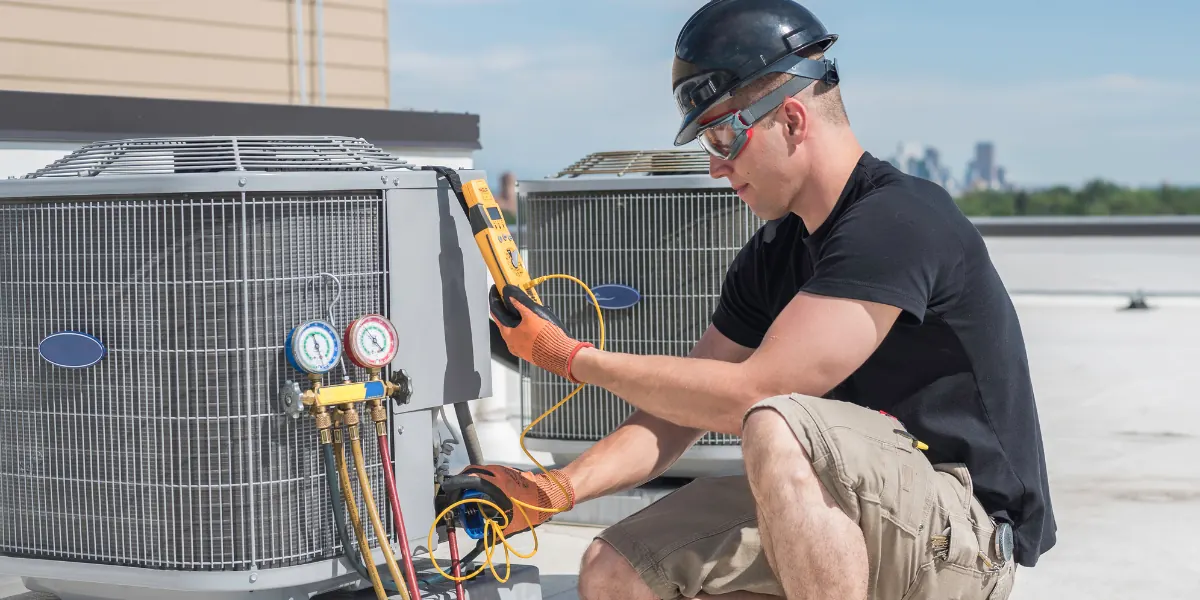
This is where career advice online often gets muddy. Florida regulates air-conditioning contractors, but an entry-level employee working for a licensed contractor is not in the same position as someone offering contracting services independently.
For certified Class A air-conditioning contractor licensure, Florida's Department of Business and Professional Regulation needs applicants to pass the state certification examination and meet experience or education-and-experience requirements. DBPR currently lists four years of experience, or an allowed combination of college and experience, as part of the qualification route.
So think of licensing as a later career decision, not the first box every student must check. Your immediate focus is usually training, EPA 608 where your duties require it, safe work habits, and supervised field experience. If your long-term goal is to own an HVAC company or qualify a business, start learning the state licensing path early so you can document the right experience as you progress.
Move from training into your first HVAC job
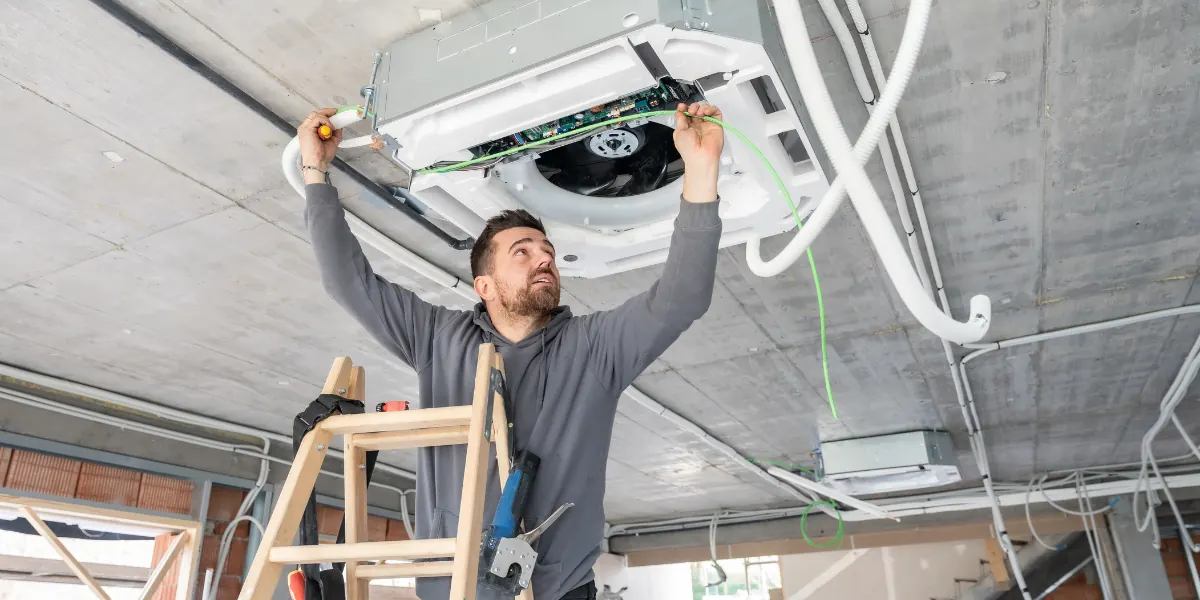
The first job is where speed, judgment, and customer communication begin catching up with classroom knowledge. Entry-level technicians may assist with maintenance, installations, system checks, basic diagnostics, parts replacement, or refrigeration work depending on the employer and their credentials.
Our overview of HVAC career opportunities after trade school covers residential, commercial, refrigeration, and maintenance paths. It also helps you understand why HVAC technicians remain in demand before deciding where you want to specialize.
Pay varies with location, experience, employer, schedule, and skill level. The national median annual wage for HVACR mechanics and installers was $61,010 in May 2025. Florida earnings differ by area, so compare local wage data with the day-to-day work. Our article on HVAC salary and job outlook in Florida goes deeper.
A higher wage number can catch your eye. But a career lasts longer when the work itself fits you.
What we would look for in an HVAC training program
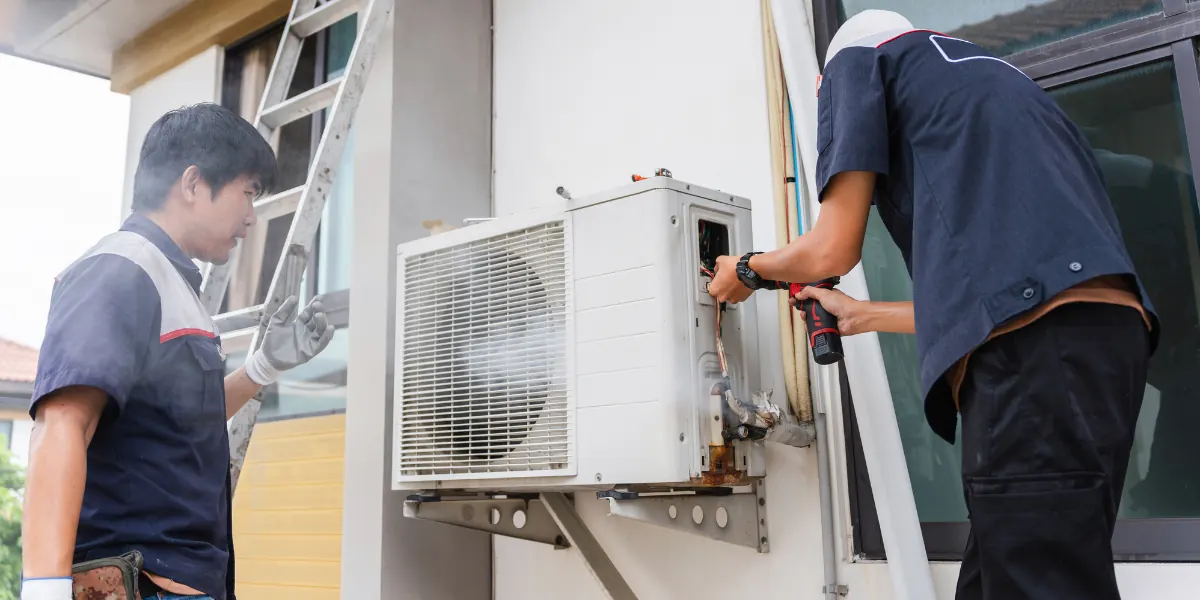
Before enrolling, ask how much time students spend working with equipment. Find out what support is available when electrical theory or troubleshooting gets difficult, whether the schedule fits your responsibilities, and what certification preparation is included.
We would also ask about career support. Coastal Technical Institute offers hands-on lab training, EPA 608 preparation, and job placement assistance. Our Palm Bay campus serves students from across the surrounding Brevard County area.
You can review Coastal Technical Institute to see our current trades programs and student resources. Program schedules, costs, and admissions details can change, so speaking with the school directly is a sensible final check before you make a decision.
Ready to start your HVAC training in Florida?
Becoming an HVAC Technician in Florida takes practice, technical curiosity, and patience with problems that do not always have an obvious answer. The path can begin in less time than many people expect, but good training still asks you to show up, use the tools, make mistakes, listen to feedback, and keep improving.
If that kind of learning sounds right for you, explore our HVAC program and contact Coastal Technical Institute. We can walk you through the current schedule, admissions requirements, training format, and next steps for getting started in Palm Bay.
Ready to get started?
Next cohort starts November 9, 2026. Call (321) 914-3041 or apply online.