Home Health Aides (HHAs) play a critical role in healthcare. As healthcare systems adapt to aging populations and people with chronic conditions, more families need compassionate, trained professionals who can provide care at home.
Whether you’re looking for a stable, rewarding career or a way to make a meaningful difference in people’s lives, becoming a Home Health Aide offers both personal and professional fulfillment. In this detailed guide, we’ll explore why the demand for HHAs is growing, the responsibilities of the job, and how you can take the first step toward a career as an HHA with Coastal Technical Institute.
1. Why Home Health Aides are Essential in Today’s Healthcare Landscape
As the population ages, more people prefer to receive care at home rather than in institutional settings like hospitals or nursing homes. Home Health Aides provide crucial support that allows patients to maintain independence while receiving personalized care.
From assisting with daily activities like bathing and dressing to monitoring vital signs, HHAs play a key role in helping individuals manage their health in a comfortable, familiar environment.
2. A Growing Field
The U.S. Bureau of Labor Statistics projects that employment of home health and personal care aides will grow much faster than the average for all occupations. With an aging population and more focus on home-based care, it’s a field worth considering. The entry-level wage for home health and personal care aides in the Palm Bay-Melbourne-Titusville area is $31,540 a year (25th percentile, U.S. Bureau of Labor Statistics OEWS, May 2025). Wages vary. Not a guarantee of employment or salary.
3. The Emotional and Personal Fulfillment of Being an HHA
Working as a Home Health Aide goes beyond providing physical care; it’s about building relationships and becoming a source of emotional support for patients and their families. Many HHAs find great satisfaction in knowing that their work directly improves the quality of life for their patients. The one-on-one nature of the job allows HHAs to develop deep, meaningful connections with those they care for, making the role as emotionally rewarding as it is professionally fulfilling.
4. Flexibility and Work-Life Balance
Home health work can offer flexibility. Depending on the employer, some HHAs can choose shifts that fit their schedules, allowing them to balance work with personal commitments. Whether you’re looking for full-time work or part-time opportunities, the variety of hours available makes this an attractive career for those seeking flexibility in their professional lives.
5. How to Become a Home Health Aide with Coastal Technical Institute
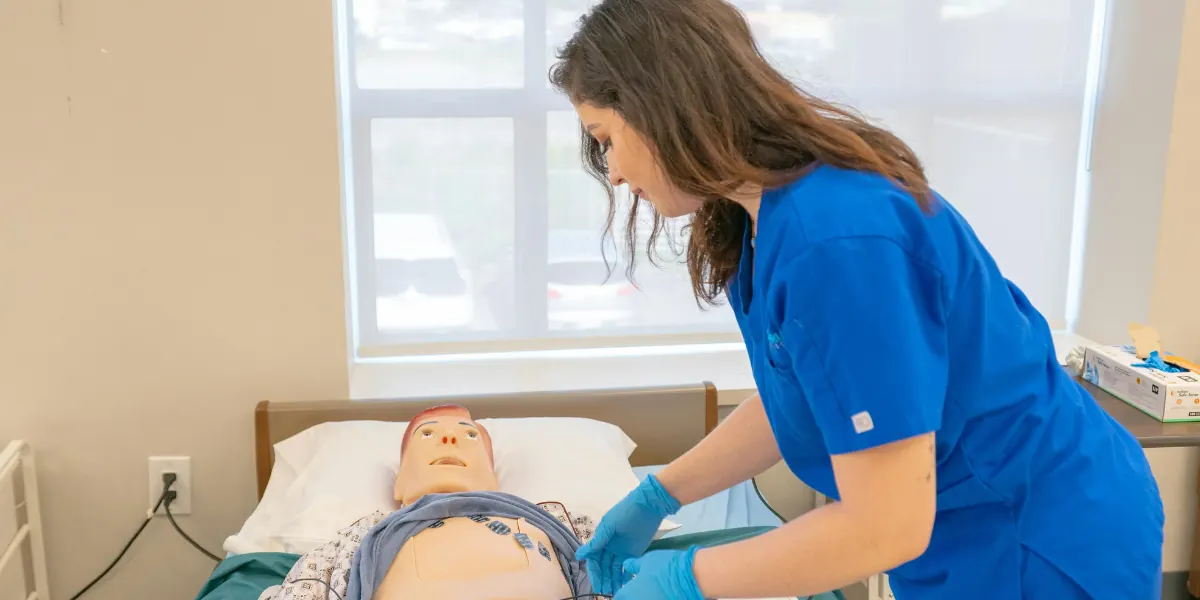
Coastal Technical Institute’s Home Health Aide program gives you hands-on training in basic patient care and skills like monitoring vital signs. The program is 91 clock hours, takes about 3.5 weeks, and costs $745 in total, with payment plans available for those who qualify. Check our upcoming start dates to get started.
Frequently Asked Questions (FAQs):
Q1: What are the educational requirements to become a Home Health Aide? Answer: No prior medical experience is needed to enroll in CTI’s HHA program. Ask our admissions team about current enrollment requirements.
Q2: How long does it take to complete the Home Health Aide program?
Answer: Our HHA program is 91 clock hours and can be completed in about 3.5 weeks.
Q3: Where do Home Health Aides typically work?
Answer: HHAs work in patients’ homes, providing care and support in a familiar, comfortable setting.
Q4: What do Home Health Aides earn in the Palm Bay area?
Answer: The entry-level wage for home health and personal care aides in the Palm Bay-Melbourne-Titusville area is $31,540 a year (25th percentile, U.S. Bureau of Labor Statistics OEWS, May 2025). Wages vary. Not a guarantee of employment or salary.
Q5: Can I advance my career after becoming an HHA?
Answer: Yes. Many HHAs choose to further their education and pursue careers as Certified Nursing Assistants (CNAs), Licensed Practical Nurses (LPNs), or even Registered Nurses (RNs).
Ready to get started?
Next cohort starts January 4, 2027. Call (321) 914-3041 or apply online.