Phlebotomists play a crucial role in modern healthcare, ensuring that blood samples are collected safely and efficiently for diagnostic testing. While their work often goes unnoticed by patients, phlebotomists are essential to the diagnostic process and contribute significantly to patient care.
In this blog post, we’ll explore the vital role of phlebotomists in healthcare, the skills needed to succeed in this field, and how Coastal Technical Institute can help you prepare for a career in phlebotomy.
1. The Importance of Accurate Blood Collection
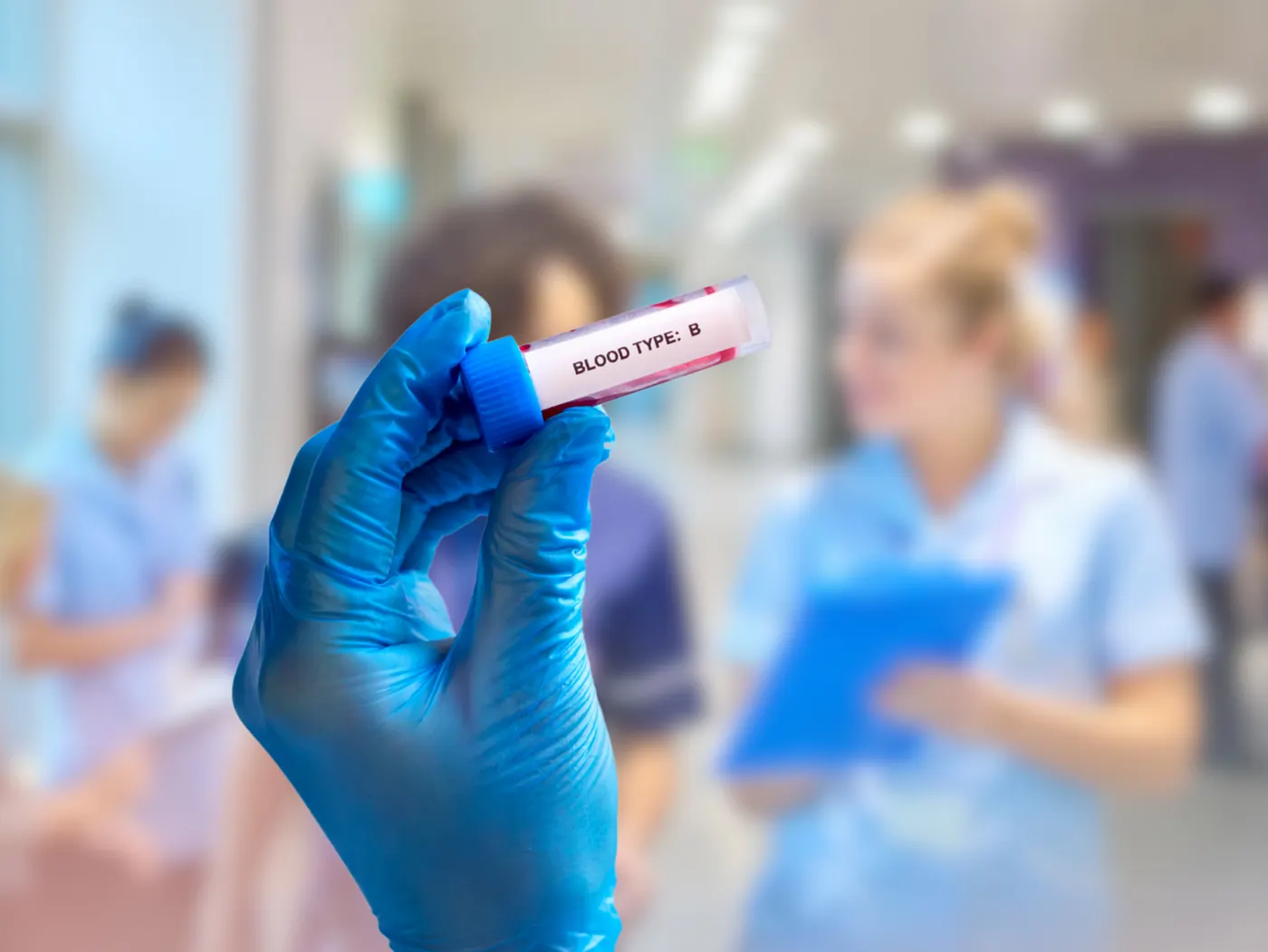
Blood tests are one of the most common diagnostic tools used in healthcare, providing valuable information about a patient’s health. Phlebotomists are responsible for collecting these blood samples, ensuring that they are handled correctly and transported to the lab for analysis. Accurate blood collection is essential for ensuring that test results are reliable and that patients receive the proper diagnosis and treatment.
2. Phlebotomists and Patient Care
While phlebotomists may not spend as much time with patients as nurses or doctors, they still play a vital role in patient care. Phlebotomists must be skilled at making patients feel comfortable and safe during the blood collection process, especially for those who are anxious or afraid of needles. By providing compassionate care, phlebotomists help ensure that patients have a positive experience and receive the care they need.
3. The Growing Demand for Phlebotomists
The demand for phlebotomists continues to be supported by the need for blood testing and diagnostic services across hospitals, medical laboratories, physicians’ offices, and other healthcare settings. According to the U.S. Bureau of Labor Statistics, employment of phlebotomists is projected to grow 6% from 2024 to 2034, with about 18,400 openings expected each year. Coastal Technical Institute can help students develop the practical skills needed to pursue entry-level opportunities in this field.
4. How to Become a Certified Phlebotomist
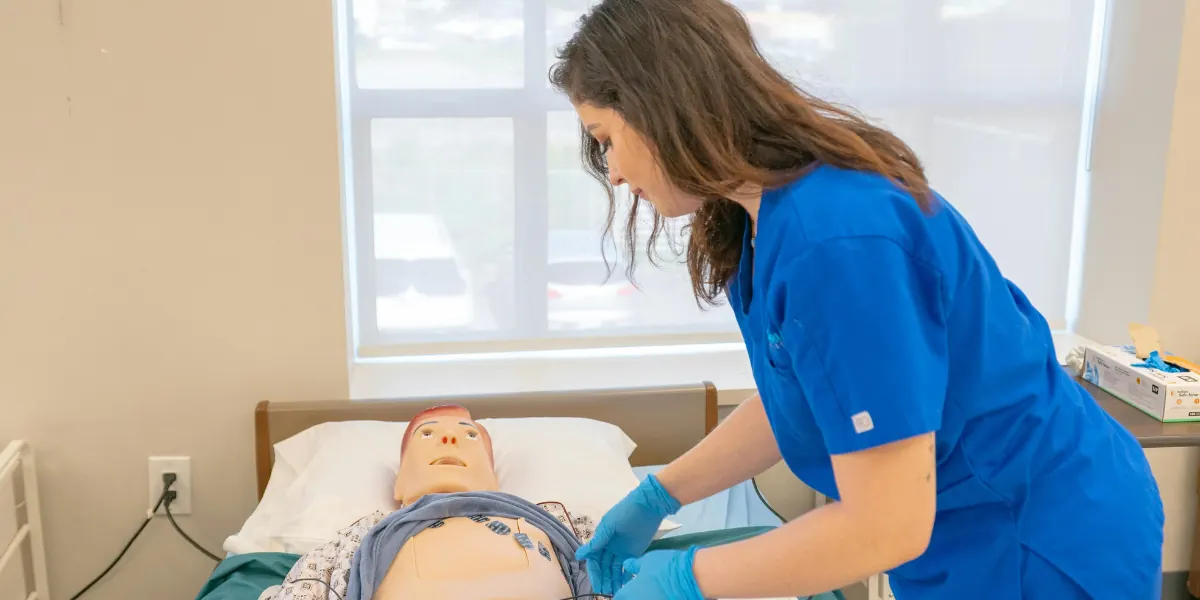
Becoming a phlebotomist can be a relatively quick way to begin a career in healthcare. Coastal Technical Institute offers a 6-week Phlebotomy Technician program that provides hands-on training in blood collection techniques, patient care, and laboratory safety. The program also includes preparation for the MedCA Phlebotomy Technician Certification Exam, which helps students advance their careers in phlebotomy.
5. Opportunities for Career Advancement
Phlebotomy can lead to other healthcare careers. Many phlebotomists use their experience to pursue further education in nursing, laboratory science, or other specialised healthcare fields. With the foundational skills you gain through Coastal Technical Institute’s Phlebotomy program, you can build a strong foundation for further education and explore additional career opportunities within the healthcare industry.
Conclusion
Phlebotomists play an important role in modern healthcare by collecting blood samples accurately, supporting diagnostic testing, and helping patients feel comfortable during the blood collection process. With the continued need for laboratory testing, phlebotomy can be a valuable entry point into the healthcare field.
Coastal Technical Institute’s 6-week Phlebotomy Technician program provides hands-on training in blood collection, patient care, and laboratory safety. For those interested in starting a healthcare career, this training can help build the practical skills and knowledge needed to take the next step toward becoming a phlebotomist.
Frequently Asked Questions (FAQs):
Q1: What does a phlebotomist do?
Answer: Phlebotomists are responsible for drawing blood from patients, ensuring the samples are properly labeled and transported to the lab for testing.
Q2: How long does it take to become a phlebotomist?
Answer: Our Phlebotomy program takes six weeks to complete, after which you’ll be eligible to take the certification exam.
Q3: Where can phlebotomists work?
Answer: Phlebotomists work in hospitals, diagnostic labs, clinics, and blood donation centers.
Q4: What is the salary range for phlebotomists?
Answer: The median annual salary for phlebotomists is around $37,000, with potential for higher earnings depending on experience and location.
Q5: Can I advance my career after becoming a phlebotomist?
Answer: Yes, many phlebotomists pursue further education and advance to roles such as nursing or laboratory technology.
Ready to get started?
Next cohort starts November 9, 2026. Call (321) 914-3041 or apply online.