A home health aide (HHA) is a trained health care worker who provides essential personal care, routine health monitoring, and assistance with activities of daily living to patients in their homes. If you’ve ever wondered what a home health aide does and whether it’s the right profession for you, this post gives you a direct, complete answer.
The need for in-home patient care keeps growing. The U.S. Bureau of Labor Statistics projects that employment of home health and personal care aides will grow much faster than the average for all occupations. The Baby Boomer generation is getting older, chronic conditions are becoming more common, and many patients prefer care at home over care in a facility.
This post covers what HHA duties look like day to day, the skills that make a great aide, and how you can complete home health aide training in about 3.5 weeks in a concentrated vocational program.
What is a Home Health Aide (HHA)?
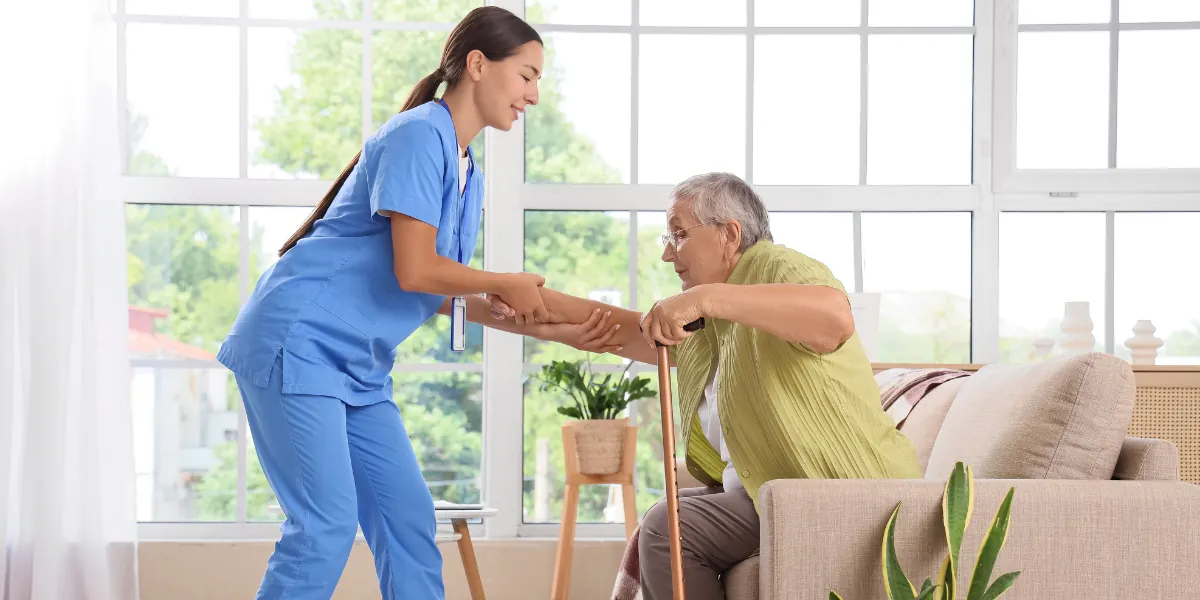
A home health aide is a care professional who has been trained to provide patient care in the patient’s home. Unlike clinical settings, the home environment requires aides to operate with greater independence and situational awareness.
HHAs typically serve:
Elderly individuals who require daily living assistance.
Patients recovering from surgery, stroke, or other serious illnesses.
Patients with chronic diseases like diabetes, COPD, or heart failure.
People with physical or cognitive impairment, such as dementia or traumatic brain injury.
It is also a good idea to understand the role itself in relation to other roles that are similar to it.
HHA vs. Personal Care Aide (PCA)
The role of a Personal Care Aide (PCA) is typically non-medical in nature, such as providing companionship, light housekeeping, or reminders of daily activities. A home health aide, on the other hand, is trained in a more structured manner in the field of health so that they can monitor patient health, track patients' vital signs, and use clinical observation skills in the real world.
HHA vs. Certified Nursing Assistant (CNA)
CNAs typically work under direct nurse supervision inside hospitals or long-term care facilities. HHAs operate on their own in patients' homes with independent judgment, communication, and the ability to deal with changes in a patient's condition without immediate clinical support.
Core Duties and Responsibilities of a Home Health Aide
Employers and families looking for care often ask the same question: “What does a home health aide do day to day?” Here’s a detailed list of the tasks involved.
1. Assistance with Activities of Daily Living (ADLs)
ADLs are the foundation of HHA duties. Patients who can no longer manage basic self-care independently rely on their aide for:
Personal hygiene care: bathing, sponge baths, oral hygiene, and shaving.
Dressing, grooming, and toileting assistance.
Safe mobility support, bed-to-wheelchair transfer for patients.
Using fall prevention measures, since falls are a serious injury risk for older patients.
These tasks are technical and take patience. You’ll protect the patient’s dignity at all times.
2. Basic Health Monitoring & Medical Support
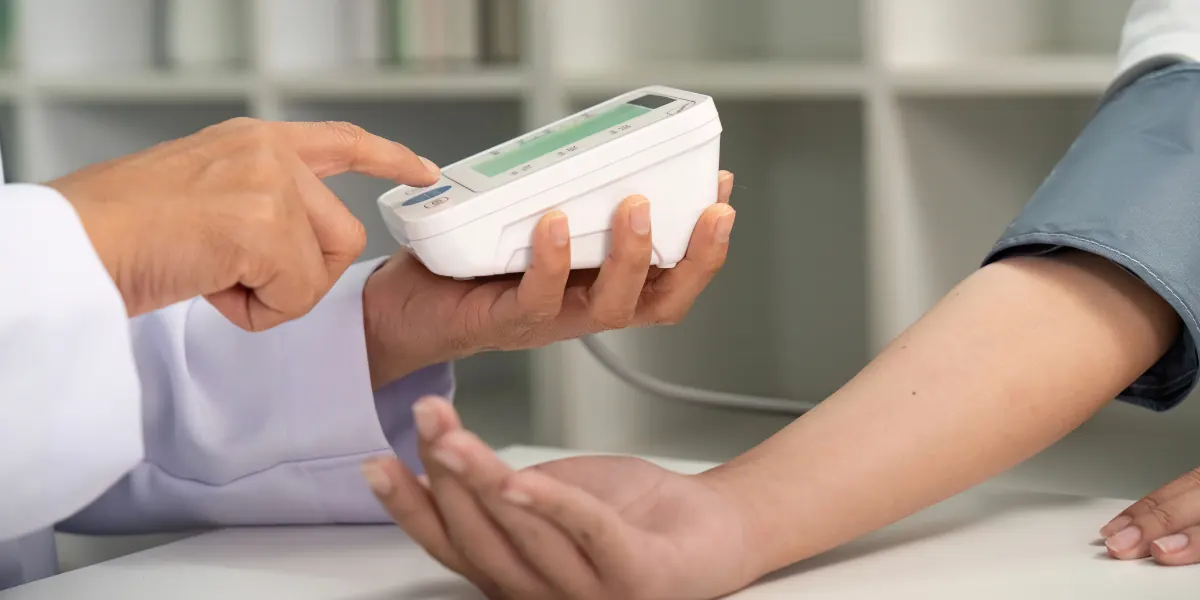
This aspect is where the HHA role separates itself from standard personal care. A key part of understanding what a home health aide does is recognizing their monitoring responsibilities. Trained aides:
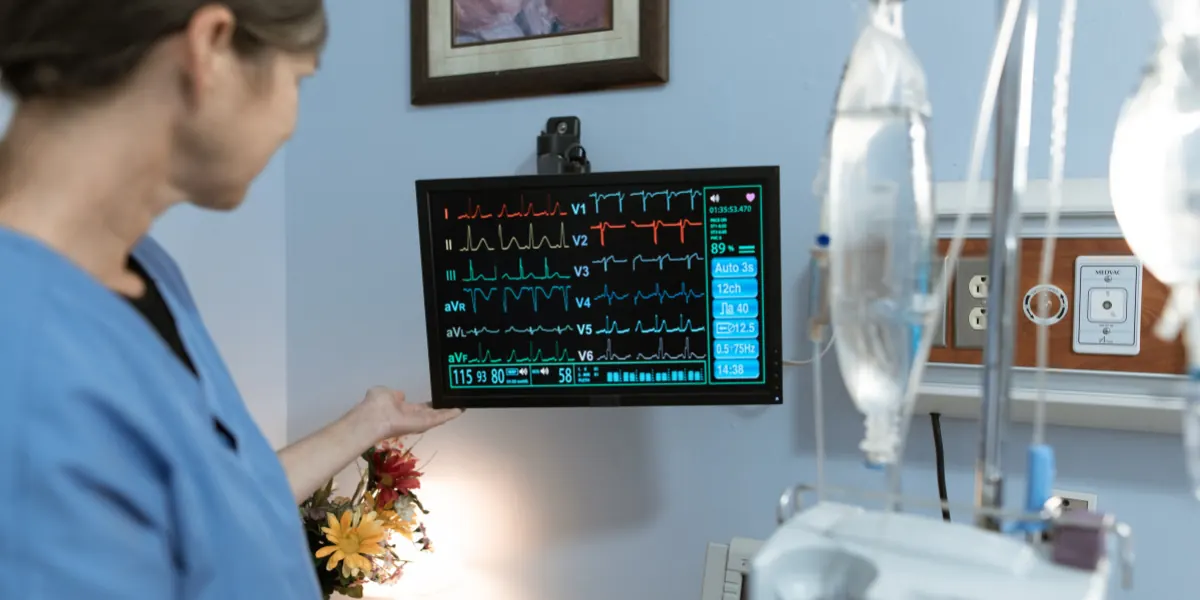
Monitor and document vital signs, such as pulse rate, body temperature, respiration rate, and blood pressure.
Remind patients to take medicine according to the doctor's prescriptions.
Notice subtle physical or mental changes, such as loss of appetite, confusion, or mood changes.
Report observations accurately to nursing supervisors or family members.
This observational responsibility is critical. An HHA who notices early warning signs and reports them promptly can help prevent a medical crisis.
3. Housekeeping and Nutritional Care
Patient health does not exist in isolation from their environment. To provide quality in-home care, HHAs often handle:
Preparing nutritious, culturally appropriate meals that meet dietary restrictions (low sodium, diabetic-friendly, soft diets, etc.)
Light housekeeping duties directly related to patient care, such as laundry, dishwashing, and keeping living areas clean and sanitary.
Running essential errands, including grocery shopping and prescription pickup.
A clean environment and good nutrition support recovery and overall health.
4. Companionship and Mental Stimulation
Housebound patients are at risk of social isolation, especially seniors receiving in-home care, where loneliness and depression are common and often overlooked. To help, HHAs focus on:
Keeping patients involved and interested in conversation and activities that stimulate the mind.
Providing regular human interaction to fight depression and loneliness.
Accompanying patients to medical appointments and community outings, when needed.
This part of care is often underestimated, but regular companionship can make a real difference in a patient’s quality of life.
Essential Skills and Qualities of an Effective HHA
Home health aide training builds technical skills, and great aides also bring personal qualities that no textbook fully teaches.
Empathy & Emotional Intelligence
You will be interacting with patients throughout the day who are in pain, fearful, or cognitively challenged. It's a must to be calm, patient, and compassionate when things get tough. This is especially important when caring for seniors at home, as patients could be grieving, suffering from memory loss, or experiencing the emotional strain of having lost their independence. Patients and families place a great deal of trust in their HHA, and you earn that trust through consistent, dependable care.
Physical Stamina
The physical demands of this role are real. Transferring, repositioning, and assisting patients with mobility requires strength, correct body mechanics, and the endurance to perform these tasks across a full shift without injury to yourself or the patient.
Infection Control Knowledge
HHAs regularly work with immunocompromised individuals. Correctly using personal protective equipment (PPE), maintaining hygienic environments, and following proper handwashing and sanitation protocols are essential skills in quality home health aide training.
Strong Communication & Reliability
An HHA serves as a bridge between the patient, their family, and the rest of the healthcare team. Clear, complete reports to nursing supervisors can directly affect treatment decisions. Beyond clinical reporting, being punctual and dependable is the baseline standard every employer and family expects.
How to Become a Home Health Aide: Training and Certification
Many people don’t realize that home health aide training is accessible and much quicker than a college degree.
Federal and State Requirements
Agencies that receive Medicare or Medicaid funding are federally required to employ HHAs who have completed a state-approved training and evaluation process. Federal rules set a minimum of 75 hours of training, including supervised practical training, plus a competency evaluation. Requirements can vary by employer and state, so ask about current rules when you compare programs.
The Vocational Route
No 4-year degree is required to work in this field. Vocational training programs offer a short, focused route into home health care, with training built around the skills employers look for.
For residents of Brevard County and the surrounding region, Coastal Technical Institute offers a practical, career-focused HHA program in Palm Bay, FL.
Training Highlight: Coastal Technical Institute (Palm Bay, FL)
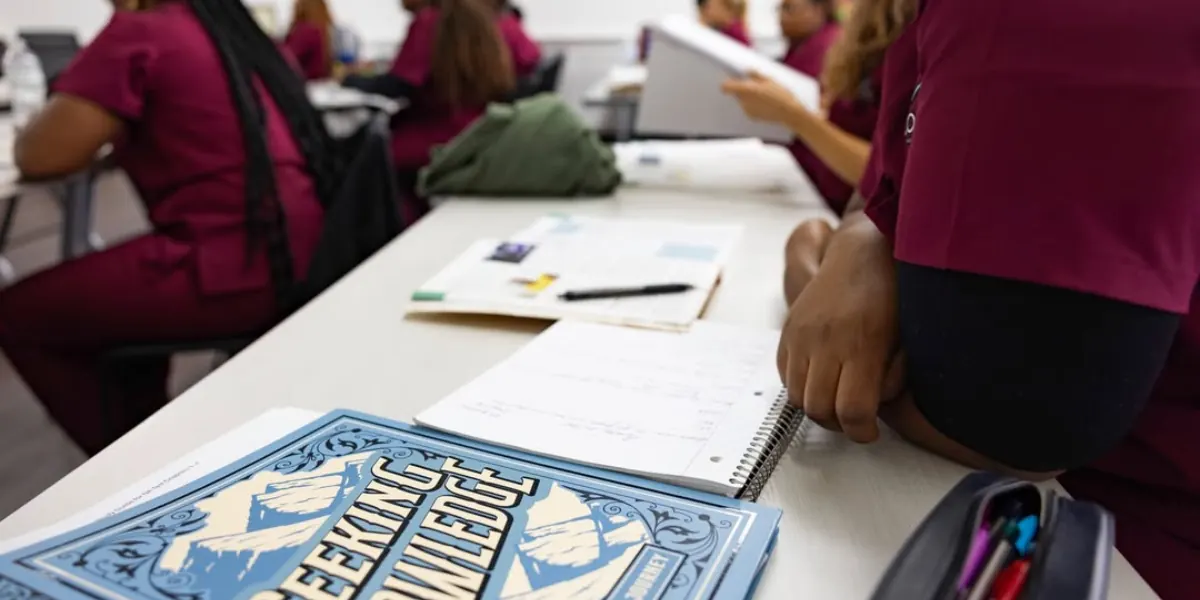
Coastal Technical Institute is a vocational school focused on the practical skills and background you need to start a healthcare career, without unrelated academic courses. Coastal Technical Institute is accredited by ACCET. Licensed by the Florida Commission for Independent Education, License No. 5973.
Fast-Track Completion
Our home health aide training is geared to working adults and career changers. The program is 91 clock hours, and you can complete it in about 3.5 weeks.
Hands-On Lab Training
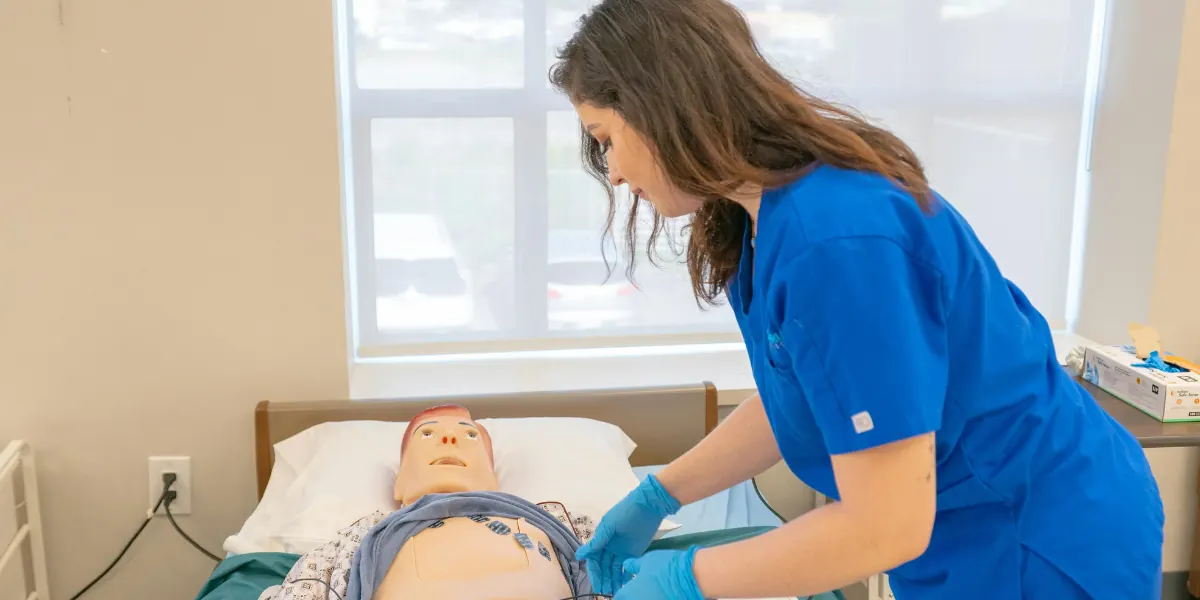
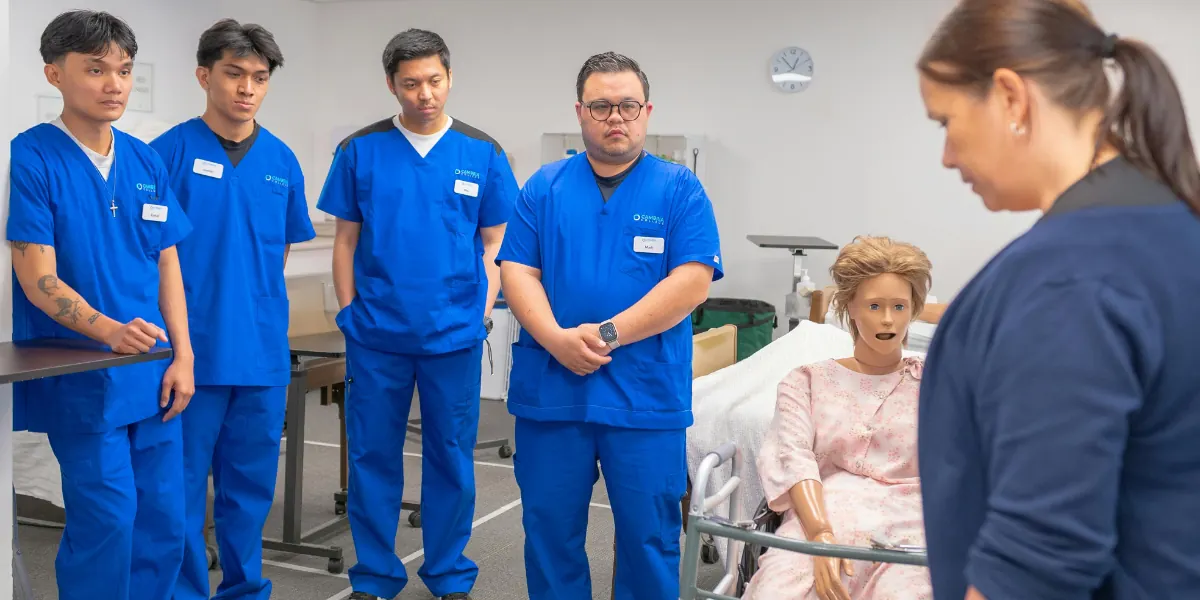
Classroom theory can take you only so far. CTI’s curriculum emphasizes hands-on lab practice. You’ll learn documentation, transfer techniques, infection control, safe patient handling, and vital signs using real medical equipment. These skills tie directly to the work of in-home patient care.
Affordable
Entering this field shouldn’t require a huge financial commitment. The Home Health Aide program costs $745 in total, and payment plans are available for those who qualify. The entry-level wage for home health and personal care aides in the Palm Bay-Melbourne-Titusville area is $31,540 a year (25th percentile, U.S. Bureau of Labor Statistics OEWS, May 2025). Wages vary. Not a guarantee of employment or salary.
Career Support
Our career services team can help with resume writing, interview prep, and introductions to local employers in Palm Bay and Brevard County, including home care providers. Employment isn't guaranteed.
Conclusion
If you’ve been wondering what a home health aide does and whether this career is right for you, the answer may be clearer now. A home health aide provides life-changing care at home to people who need it, and each day combines clinical monitoring and personal support with human connection.
The work is demanding and deeply fulfilling. As more seniors in Florida and across the country choose care at home, trained HHAs play an important role in healthcare.
No four-year degree required. Just focused, practical home health aide training that prepares you for real patient care.
Explore the Home Health Aide program in Palm Bay, FL, check our upcoming start dates, and schedule a campus tour to get your questions answered before you enroll.
Ready to get started?
Next cohort starts January 4, 2027. Call (321) 914-3041 or apply online.