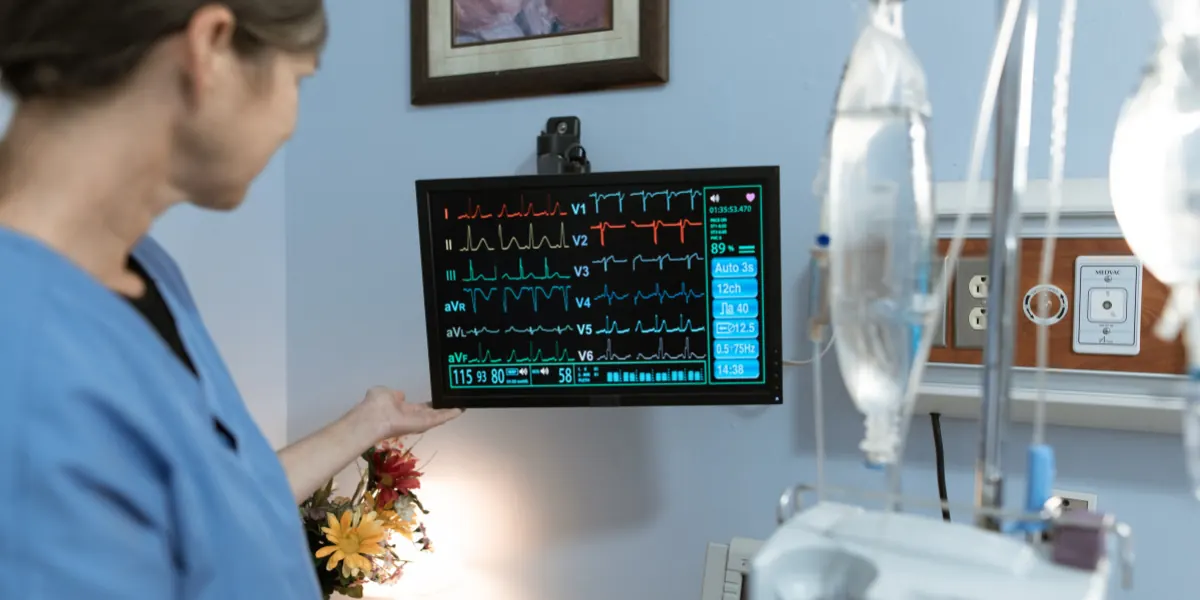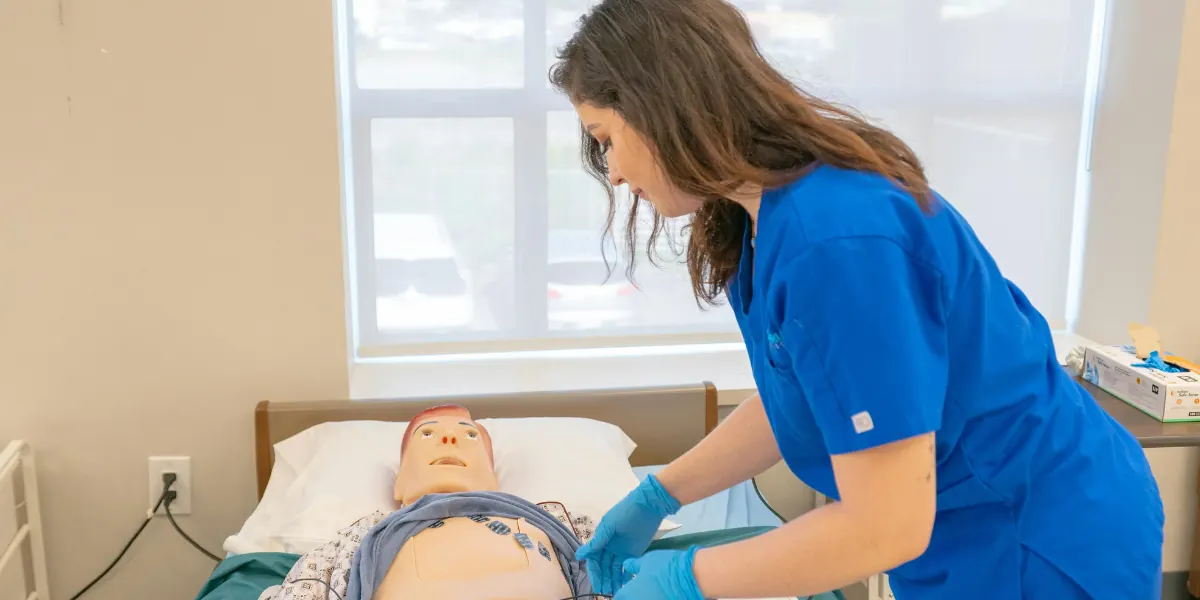

Clinical rotations are a challenging yet rewarding part of any Practical Nursing program. For LPN students, the transition from classroom theory to real-world patient care can feel overwhelming. The pace is fast, the atmosphere can be hectic, and the pressure to do well can cause anxiety even in well-prepared students. Understanding common mistakes in nursing clinicals and learning how to avoid them can make the difference between struggling through your rotation and thriving as a confident, competent future LPN.
Practical Nursing education is based on hands-on learning. Textbooks and lectures provide the knowledge, but clinical experience prepares you for the realities of patient care. It’s where you build the critical thinking, technical skill, and professional attitude that employers look for in LPNs. Still, many students run into avoidable challenges. In this post, we’ll cover frequent LPN clinical mistakes and practical tips to help you do your strongest work during this critical part of your nursing studies.
Why Clinicals Matter in an LPN Program

Clinical rotations connect classroom education with real patient care. You can ace every test and master every concept in theory, but you can’t become competent in nursing without hands-on experience with real patients. In clinicals, you get to think on your feet, improvise in unforeseen circumstances, as well as put your knowledge into practice in complex, dynamic healthcare settings.
Healthcare employers value strong clinical skills. They look for new LPNs who show practical skills, sound clinical judgment, and the ability to work well on a healthcare team. Your clinical experiences shape your confidence and competence, and students who take clinicals seriously tend to feel more ready for professional nursing practice.
Common Mistakes That Cause LPN Students to Struggle in Clinicals
Poor Preparation Before Clinicals
Showing up unprepared is a major Practical Nursing clinical mistake. Many students underestimate how much it helps to review the procedures and medications for their assigned patients’ conditions and to look over patient charts before the shift starts. Skipping that preparation causes problems all day long.
If you don’t review your patient’s medical history, diagnoses, and current treatment plan, you miss the context that should guide every action you take. You might be in a situation where you cannot answer the questions posed by your instructor, cannot see the need for some interventions, or feel confused during interactions with a patient. Losing track of key procedures or medication schedules slows you down and can put patient safety at risk.
Lack of Confidence and Fear of Making Mistakes
Anxiety is a problem faced by many LPN students in the clinical environments, especially at the beginning of their first few rotations. Fear of making errors can be paralyzing and make it hard to act or make clinical decisions. Nervousness is natural; on the other hand, too much fear will pose a serious hindrance to your learning and growth.
When anxiety takes center stage, students tend to become spectators instead of active participants in patient care. They may avoid performing procedures, wait to be told what to do rather than taking initiative, or doubt themselves at all times. This indecisiveness does not allow you to acquire the practical experience that you need to develop genuine competence and confidence.
Fear of not doing well can become a self-fulfilling prophecy. The less you practice, the less confident you become, and the higher the chance of making mistakes when you perform skills. Remember, you’re still a student during clinicals. Mistakes made under supervision in a learning setting become learning opportunities, not failures.
Communication Failures
Effective communication is a cornerstone of clinical success, yet many students struggle with it. Some students are afraid to ask questions because they fear being seen as incompetent or unprepared. Others aren’t sure how to communicate with instructors, staff nurses, or patients, leading to misunderstandings and missed learning opportunities.
A serious communication mistake is not asking questions when you’re unsure. Assumptions are dangerous in healthcare. If you’re unsure about a dose, don’t understand a procedure, or don’t know what to do next, asking protects you and your patients.
When you don’t communicate clearly with instructors, they can’t understand your learning needs or offer the right guidance. When you cannot communicate effectively with staff nurses, tension arises and limits your chances of receiving good mentorship. Above all, inadequate communication with the patients impacts the quality of care and patient satisfaction. Miscommunication is a well-known contributor to medical errors, so clear communication matters for patient safety.
Poor Time Management
Clinical shifts can be very daunting, especially when you are dealing with more than one patient with varying demands. Lack of task prioritization is a common issue among LPN students learning to survive LPN clinicals. Without time management strategies, students quickly fall behind during shifts, which leads to stress, unfinished tasks, and burnout.
Some students have difficulty deciding which tasks should be completed at once and which can be postponed. They can attend to one patient for too long and leave the other patients behind, or be overwhelmed by other, less important tasks and leave those in urgent need behind. Without clear priorities, the clinical day feels chaotic and you’re always rushing to catch up.
Not Accepting Feedback or Correction
Clinical instructors have your back and are there to help you improve, but some students struggle to accept constructive feedback. Taking feedback personally instead of treating it as a learning opportunity is a serious mistake that holds back professional growth. Students are also likely to repeat errors and miss out on important learning experiences when they are defensive or dismissive of feedback.
Nursing is a career that requires lifelong learning and development. Even experienced nurses are used to getting feedback on a regular basis and adjusting their practice according to the new information. Your readiness to receive and implement feedback as a student is an indicator of your desire to be a competent and safe practitioner.
How to Avoid These Mistakes in LPN Clinicals
Prepare Thoroughly Before Every Clinical Day
Achievement in clinicals starts the night before your shift. Build the habit of reviewing your assigned patients’ conditions, including their diagnoses, treatment plans, and medical histories. Get to know the medications they’re taking, the doses, the routes, and any side effects that they might have. Review any procedures you might perform during your clinical day, and mentally walk through them.
Use checklists and notes to make sure you haven’t missed anything important. Many students create patient care sheets that summarize key information for quick reference during the shift. Such preparation not only helps increase your confidence but also enables you to interact more meaningfully with patients and provide safer care.
Build Confidence Through Practice
Confidence comes from experience and repetition. Use your school’s lab facilities to practice whenever you can. Some programs offer open lab hours where you can use equipment and practice procedures until they become second nature. Take advantage of simulation training, where you can practice in a low-stakes, realistic clinical setting where any error can be turned into a learning experience without putting the real patient at risk.
Shift your mindset from perfectionism to progress. Nobody expects you to perform flawlessly as a student. Aim to get a little better every clinical day, celebrate small wins, and learn from each mistake. It is important to keep in mind that all professional nurses were anxious students, and self-confidence is built over time with regular practice and experience.
Improve Communication Skills
Make asking questions a habit from day one. Nursing instructors and senior nurses expect students to ask questions and see it as a sign of professionalism and concern for patient safety. When you are not sure, ask at an early stage rather than halfway through a procedure.
Practice your patient interaction skills, working on building rapport, explaining procedures clearly, and listening actively to patient concerns. Make sure you communicate effectively with your instructors about what you want to achieve in your learning, the areas you want to improve, and any obstacles you are facing. This open conversation helps them give you specific support and direction.
Master Time Management
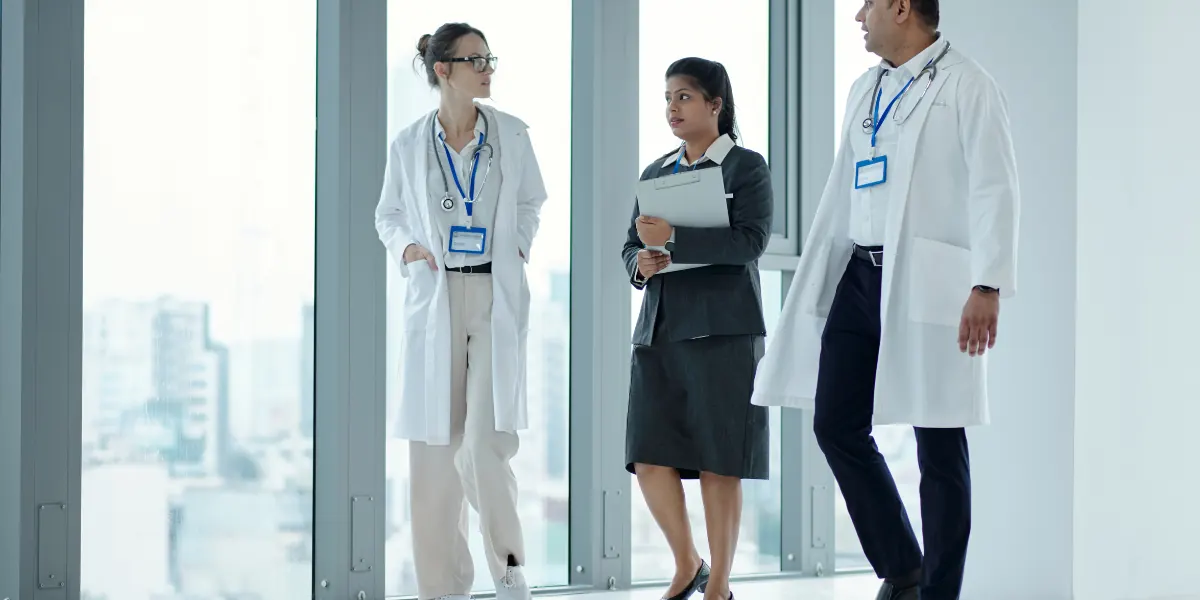
Develop a system for creating task priorities at the beginning of each clinical day. Many experienced nurses use a "brain sheet" or organization tool that lists patients, scheduled medications, procedures, and tasks in order of priority. Learn to distinguish between urgent, important, and routine tasks.
Keep your supplies and paperwork tidy during the shifts. Observe how the experienced nurses organize their time and workload. Don’t hesitate to ask for time management tips. Many nurses are happy to share strategies that have worked for them.
Use Feedback as a Tool for Growth
When your instructor provides feedback, listen carefully and ask clarifying questions if needed. Apply instructor feedback immediately in your next clinical experience, demonstrating your commitment to improvement. Track your improvement areas in a journal or notebook, noting specific feedback and the steps you're taking to address it.
Stay open to learning from everyone in the clinical setting, including staff nurses, other healthcare workers, and patients. Learn to have a growth mindset and accept all feedback as a gift to make you a better nurse.
Maintain Professionalism at All Times
Treat every clinical day like a chance to show your professionalism. The staff you work alongside will remember how you carry yourself. Be punctual and prepared, and arrive early enough to get settled before your shift starts.
Look and behave like a professional, in accordance with the dress and behavior code in your program. Show respect to patients, families, instructors, and members of the healthcare team. Professional behavior includes protecting patient confidentiality, using appropriate language, staying focused on patient care, and representing your nursing program with integrity.
How Coastal Technical Institute LPN Program Supports Clinical Success
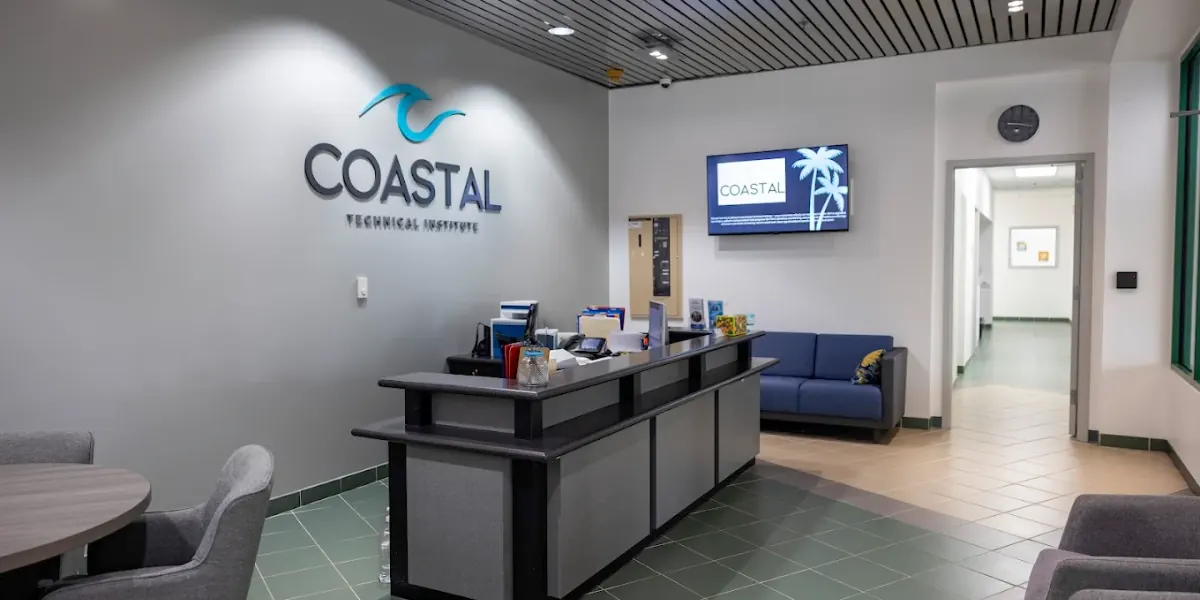
At Coastal Technical Institute, we know clinical success takes more than just showing up. Our Practical Nursing program is designed to equip students with the skills and knowledge needed to meet the challenges and opportunities of clinical rotations. Our instructors guide you through your clinical experiences with real-time feedback to help you build competence and confidence.
Our labs give you practical experience before you enter the clinical environment. From basic nursing skills to more complex procedures, you’ll practice again and again in a safe, supportive setting. That practice makes a real difference in your confidence when you care for real patients.
Beyond technical training, Coastal Technical Institute offers student support throughout your nursing education, and our instructors work with clinical partners to give you meaningful clinical experiences. The Practical Nursing program takes 56 weeks (about 13 months), and payment plans are available for those who qualify.
Conclusion
Clinical rotations ask LPN students to apply their knowledge, build practical skills, and grow into healthcare providers. Common pitfalls like poor preparation, low confidence, weak communication, time management struggles, and resistance to feedback can trip you up, but knowing about them helps you avoid them. With proper preparation, a sense of confidence built through practice, effective communication skills, spending your time wisely, accepting feedback, and being a professional, you will not just survive your clinicals but actually excel.
Remember that every nurse once stood exactly where you are now, facing the same uncertainties and challenges. With dedication, the right strategies, and support from programs, you can transform your clinical experiences into the foundation of a rewarding nursing career. Learn more about the Practical Nursing program at Coastal Technical Institute, check our upcoming start dates, or contact us to see how we prepare students for clinicals.
Ready to get started?
Next cohort starts January 4, 2027. Call (321) 914-3041 or apply online.