
A nursing assistant plays a vital role in the healthcare team and is invaluable to the nurse, doctor, and patient. The healthcare system is under more demand than it has ever been before, and Certified Nursing Assistants (CNAs) are already more needed than ever. If you're thinking of working in healthcare or a nursing assistant training academy, it is crucial to know what a CNA does. In this blog post, we will delve into the significance of CNAs in the modern healthcare landscape, the hurdles they encounter, and opportunities for a fulfilling career in healthcare. Let's explore the impact of CNAs in today's healthcare system, the challenges they face, and the exciting career opportunities that await those who follow in their footsteps.
1. The Backbone of Patient Care
CNAs are frequently known as "the backbone of patient care," because they work with patients the most. Nursing assistants provide patients with compassionate care and attention, from helping them with daily living activities to taking care of their vital signs. They also act as the eyes and ears for the healthcare team and report any changes in the patient's condition to the nurses and doctors.
2. Bridging the Gap Between Patients and Healthcare Providers
As frontline caregivers, CNAs bridge the gap between patients and other healthcare providers. They communicate patients' needs, concerns, and progress to nurses and doctors, ensuring that care plans are adjusted accordingly. This essential communication helps improve patient outcomes and ensures that patients receive the appropriate level of care at all times.
3. High Demand for CNAs in Healthcare Settings
This is because the need for CNAs is growing across all settings, including long-term care facilities, care homes, hospitals, and home health care. Nursing assistants are ever more vital in caring for a growing population of people who require basic care in their daily activities, as medical needs and demands rise due to an aging population. The U.S. Bureau of Labor Statistics (BLS) reports an expected increase of 5% in the number of CNAs employed from 2021 to 2031, which means that the job is stable and secure.
4. Emotional Fulfillment in Caring for Patients
The job of a CNA offers a distinctive sense of fulfillment that is emotional. CNAs are frequently able to build relationships with their patients and provide emotional and physical support. CNAs who are motivated to make a tangible difference in the lives of others will find their roles to be incredibly rewarding and will feel a great sense of purpose and satisfaction in their work.
5. Coastal Technical Institute: Training the Next Generation of CNAs

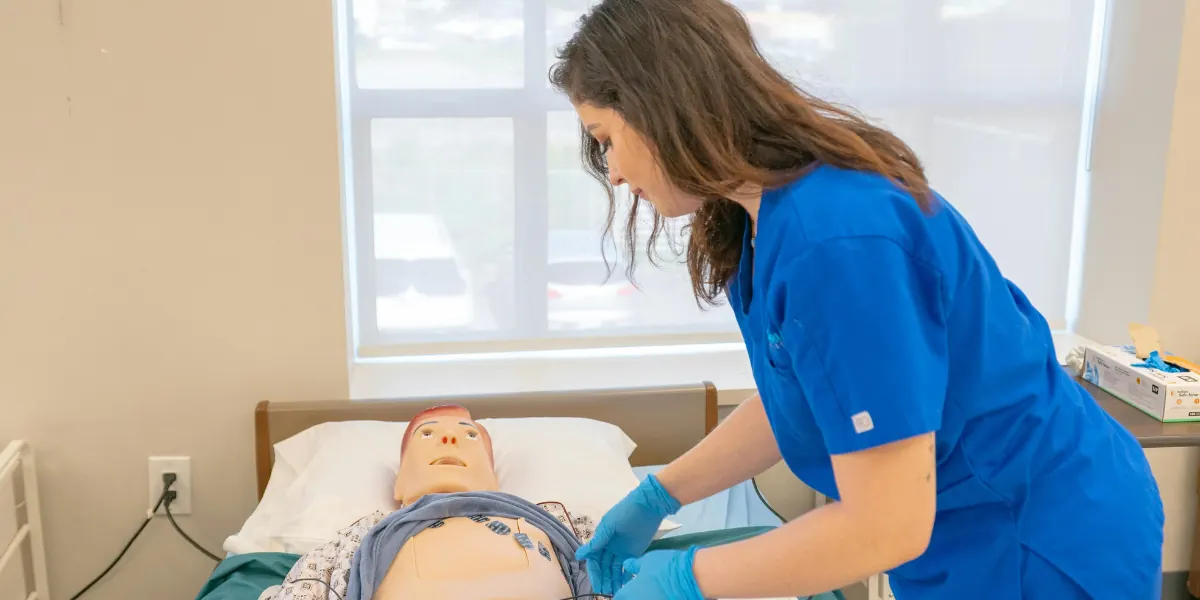
At Coastal Technical Institute, we know how vital nursing assistants are in the healthcare industry. Our 6-week CNA program is a trusted nursing assistant training program, and our program will provide you with the necessary skills and knowledge to be successful in this crucial role. Our program places an emphasis on hands-on training and experience, and we equip our students with the skills and knowledge required to become compassionate, competent caregivers who can make a difference in their patients' lives.
Frequently Asked Questions (FAQs):
Q1: What tasks do CNAs typically perform?
Answer: CNAs assist with daily living activities, such as bathing, dressing, feeding, and toileting, as well as monitoring vital signs and reporting any changes in a patient's condition.
Q2: Do I need a degree to become a CNA?
Answer: No, a degree is not required. You need to complete a state-approved training program, such as the one offered at Coastal Technical Institute or another approved nursing assistant training program, and pass the state certification exam.
Q3: How long does it take to become a CNA?
Answer: Coastal Technical Institute's CNA program can be completed in six weeks, making it a quick way to enter the healthcare field.
Q4: What is the job outlook for CNAs?
Answer: The job outlook for nursing assistants is positive, with a projected 5% growth in work from 2021 to 2031, according to the U.S. Bureau of Labor Statistics.
Q5: Can I advance my career after becoming a CNA?
Answer: Yes, many CNAs use their experience as a stepping stone to more advanced nursing roles, such as Licensed Practical Nurse (LPN) or Registered Nurse (RN).
Ready to get started?
Next cohort starts November 9, 2026. Call (321) 914-3041 or apply online.