
Choosing a skilled trade can feel like matching puzzle pieces: your strengths, interests, and work style need to fit the daily realities of each role. Some people light up around tools and diagnostic meters, others around precise fabrication, and some thrive helping customers get systems up and running. The good news is that each trade has a personality match worth exploring. If you’re asking, “Which trade suits me?”, this guide compares HVAC, electrical, and welding careers so you can line up your natural tendencies with the right training. You’ll also see how hands-on programs in HVAC, electrical, and welding prepare you for entry-level work in the trades.
Start With You: Understanding Your Strengths, Interests, and Work Style
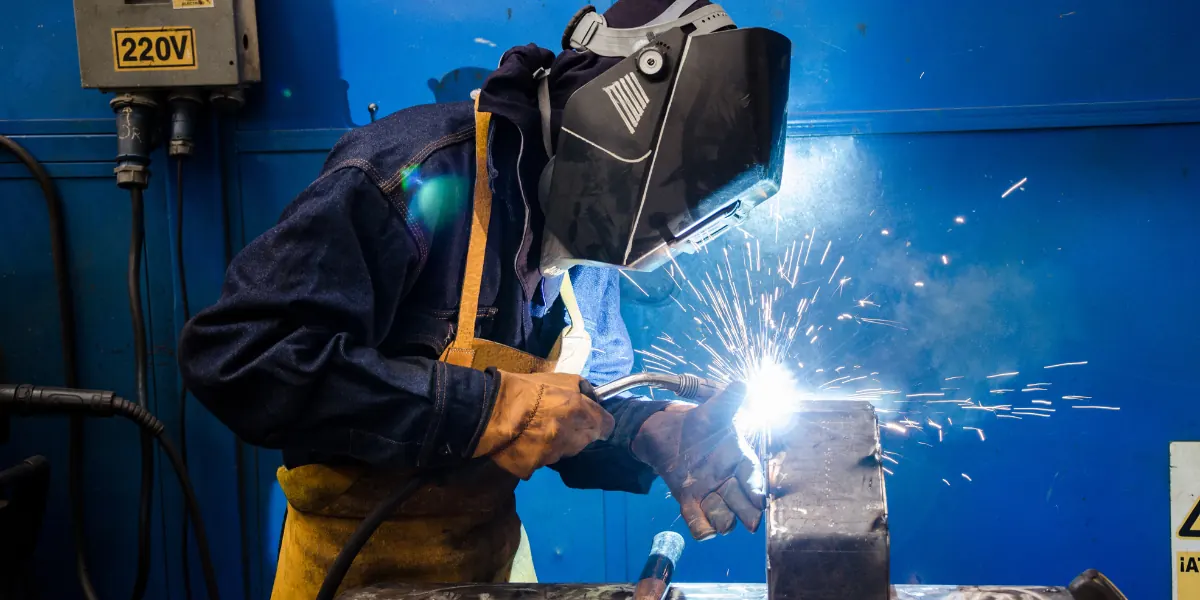
Before you pick a trade, take a moment for an honest self-inventory. A little focused reflection can steer you toward the right classroom, shop, or jobsite.
Do You Prefer Problem-Solving, Precision, or Creativity?
If complex troubleshooting excites you, you may lean toward electrical or service-focused HVAC work. If you love clean beads and exact fits, you may thrive in welding, which rewards craft and patience. Compare your instincts across all three as you decide.
Do You Learn by Doing?
Many students choose a trade because they enjoy hands-on technical work and want a focused path toward entry-level roles. Shorter vocational programs give hands-on learners a structured bridge from the classroom to the jobsite. Look for programs that match your timeline and goals.
How Much Physical Activity Do You Enjoy?
Your comfort with physical work matters when you compare field roles with shop roles. HVAC often means ladders, attics, and rooftops. Welding leans toward shop environments with controlled setups. Electrical blends site mobility with methodical installs.
If You Are a Methodical Problem-Solver: The Electrical Trade
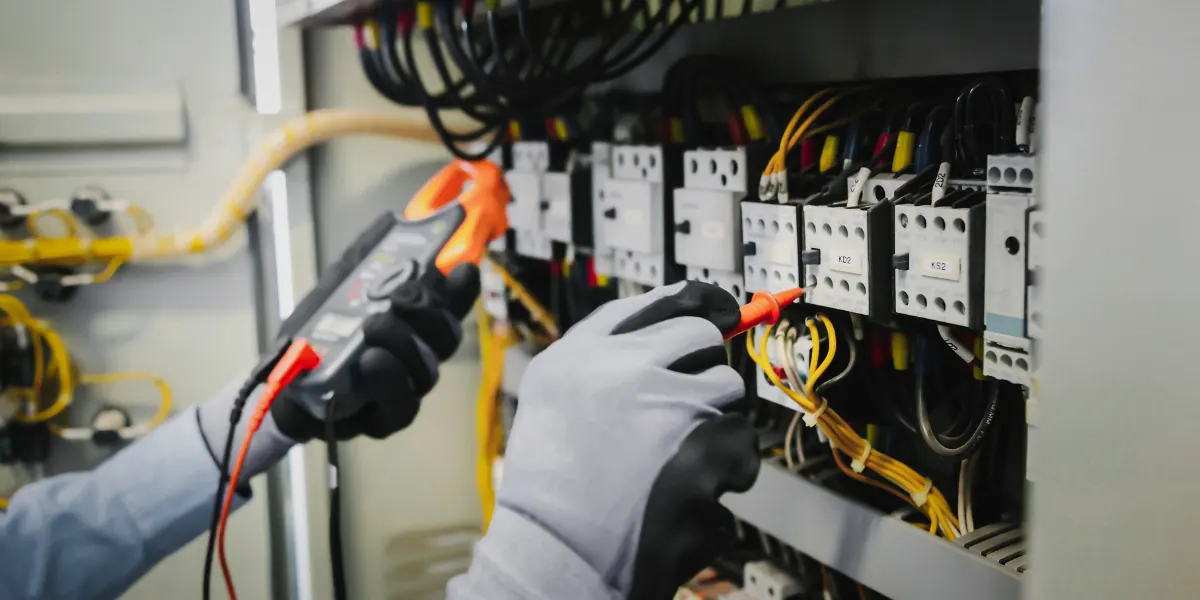
Electricians rely on logic, safety, and steady progress. If you love diagrams, meters, and standards, you may feel at home in the electrical path.
Key Personality Signs the Electrical Trade Fits You
You enjoy diagnosing circuits and planning work in clear steps. You value safety and consistency, two pillars of electrical training. If you like structure, the electrical path deserves a closer look. Many people move from trade school into apprenticeships that balance classes with paid experience.
Day-to-Day Work Environment for Electricians
Expect a mix of layout, installation, testing, and documentation, both in the field and in the shop. Projects blend planning and hands-on work, often alongside carpenters, HVAC techs, and welders. With experience, some electricians move from residential service into commercial or industrial work.
Training Path: Electrical Trade School and Apprenticeships
Many students start at an electrical trade school, then pursue an apprenticeship with a contractor. Training covers code, safety, blueprint reading, and devices. At CTI, the Electrical Technology program is 600 clock hours over 36 weeks, with a total program cost of $10,475.
Career Outlook and Pay
Electricians work on everything from home wiring to building systems, and codes and safety standards shape the work. The entry-level wage for electricians in the Palm Bay-Melbourne-Titusville area is $46,880 a year (25th percentile, U.S. Bureau of Labor Statistics OEWS, May 2025). Wages vary. Not a guarantee of employment or salary.
If You Are a Hands-On Mechanical Troubleshooter: HVAC
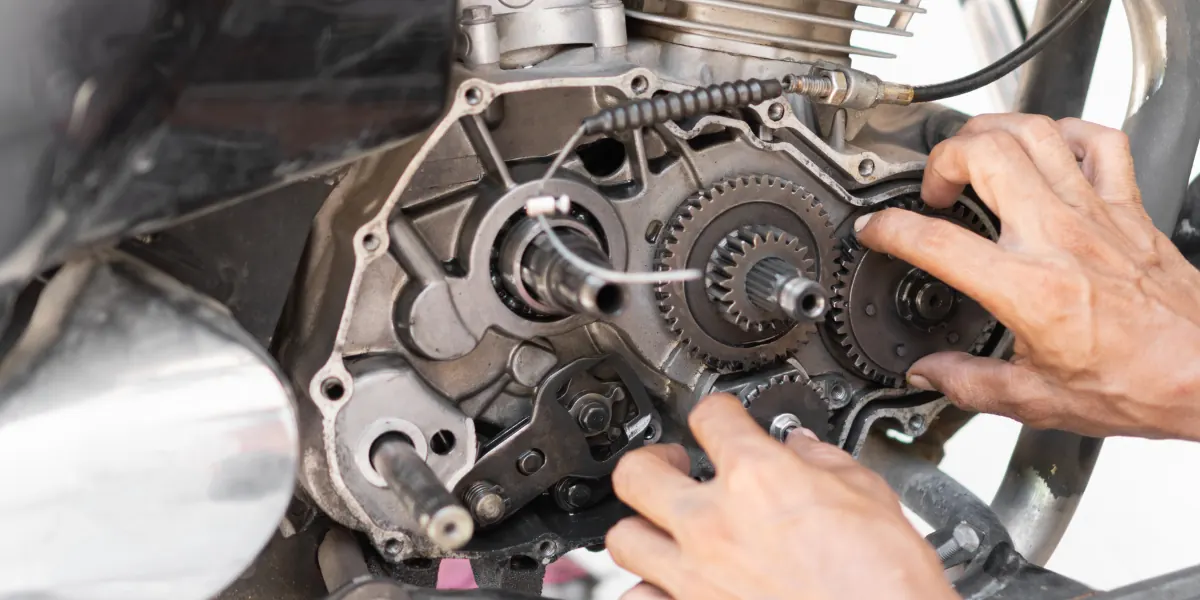
HVAC attracts adaptable techs who like variety, direct customer impact, and diagnostics with tangible results.
Key Personality Signs HVAC Is Right for You
You like fast-paced service calls that reward sharp thinking. You’re comfortable with people and schedules, and you enjoy moving around. Physical stamina helps when you’re climbing, crawling, and working outdoors. If you’re choosing between HVAC and electrical, think about how much you enjoy customer-facing service.
A Day in the Life of an HVAC Technician
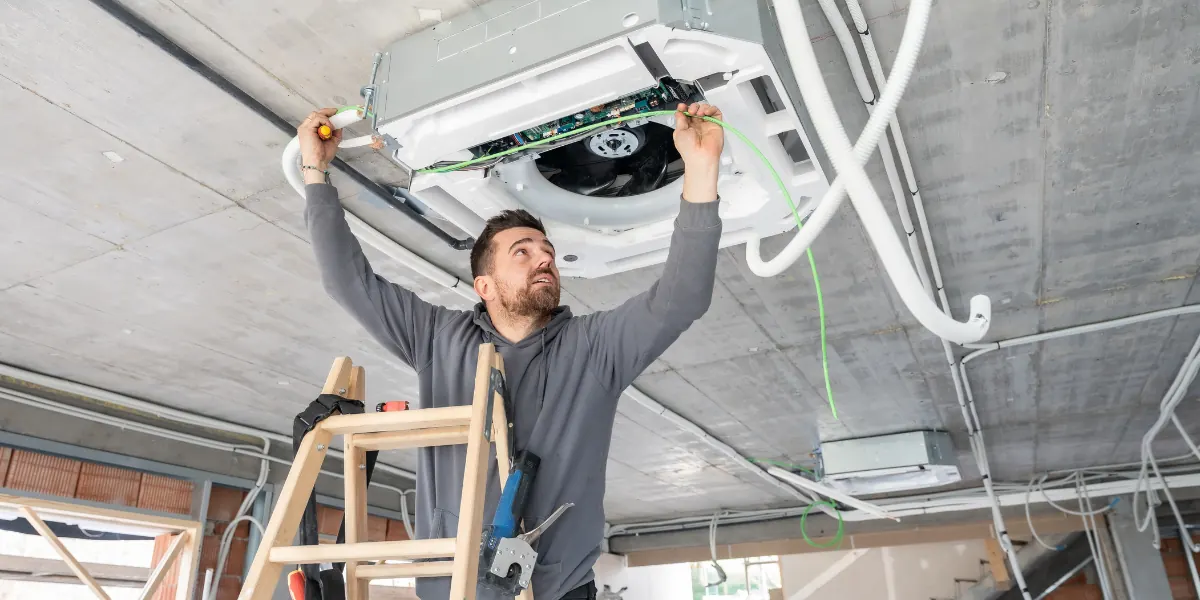
Most days combine inspections, diagnostics, repairs, and installs in homes and businesses. You’ll use gauges, meters, and software. Much of the day is spent in the field, with quick stops at the shop for parts and planning.
Training & Certification Requirements
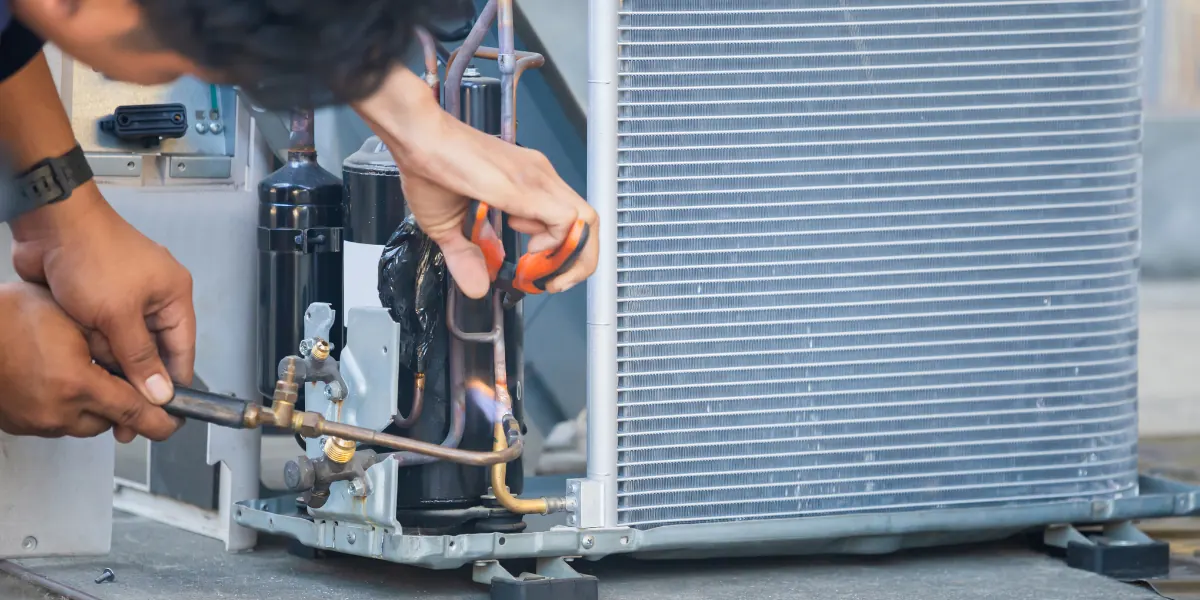
Focused HVAC training builds fundamentals in refrigeration cycles, electrical basics, and airflow. Many technicians earn EPA Section 608 certification, and Florida has its own licensing rules for certain HVAC work. At CTI, the HVAC program is 600 clock hours over 36 weeks, with a total program cost of $10,675.
Career Flexibility & Pay
HVAC offers service, installation, controls, and energy management paths across residential and commercial work. The entry-level wage for HVAC mechanics and installers in the Palm Bay-Melbourne-Titusville area is $46,960 a year (25th percentile, U.S. Bureau of Labor Statistics OEWS, May 2025). Wages vary. Not a guarantee of employment or salary.
If You Are a Focused, Creative Craftsperson: Welding
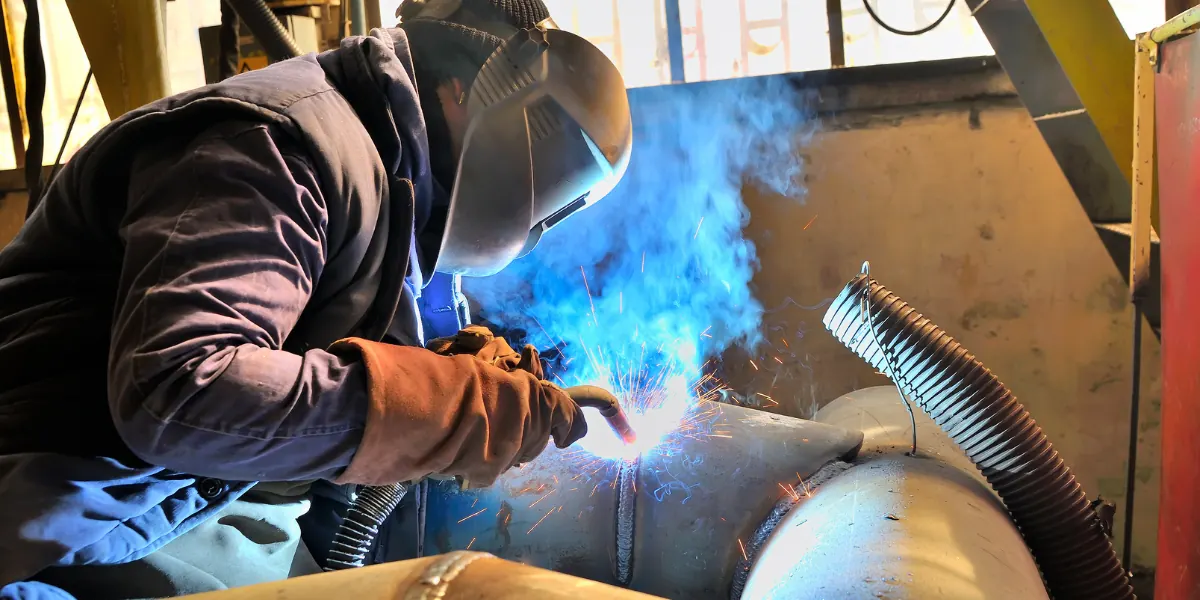
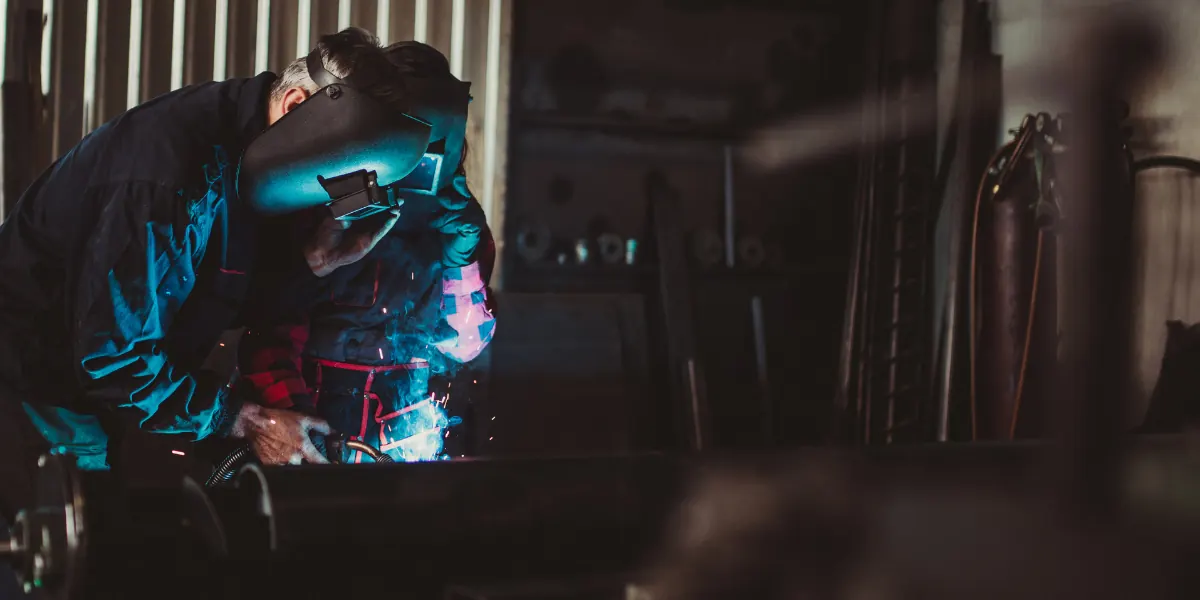
Welding rewards patience, practice, and pride in visible results. If you enjoy building with metal and mastering technique, welding gives you room to specialize.
Key Personality Signs Welding Fits You
You value craftsmanship and the repetition that builds muscle memory. You like focus and independence. You still get to solve problems when you read blueprints and adapt procedures. And you enjoy measuring your progress in inches and arcs.
Daily Environment & Work Settings
Welders often work in fabrication shops with consistent setups and predictable conditions. Some roles include travel to job sites. Around Palm Bay, employers in fabrication, repair, and project work use welders.
Training & Certifications
Welding training covers MIG, TIG, and stick, along with safety and prep. Many programs prepare students for structural or pipe weld tests. At CTI, the Welding Technology program is 700 clock hours over 42 weeks, with a total program cost of $12,700.
Career Outlook and Pay
Fabrication, construction, aerospace, and energy all use skilled welders. The entry-level wage for welders in the Palm Bay-Melbourne-Titusville area is $45,700 a year (25th percentile, U.S. Bureau of Labor Statistics OEWS, May 2025). Wages vary. Not a guarantee of employment or salary.
HVAC vs Electrical vs Welding: Matching Each Trade to Your Personality
Choosing a trade gets easier when you compare the environment, interaction, daily tasks, and motivation side by side.
Environment Preferences
Electrical suits methodical installations with code-driven planning. HVAC leans toward varied sites and weather, which suits mobile techs. Welding often centers on controlled shops, with travel for specific jobs when needed.
Social Interaction Level
HVAC typically involves a lot of customer-facing service. Electrical blends teamwork with site coordination and inspections. Welding tends to be more independent, with collaboration focused on schedules and tolerances.
What Motivates You?
If you enjoy rapid troubleshooting and client feedback, HVAC and electrical may suit you. If you’re drawn to precision and visible results, you may prefer welding’s shop consistency and tangible builds.
Mechanical vs Technical vs Creative Leanings
Electrical leans technical, with logical systems and standards. HVAC blends mechanical savvy with diagnostics. Welding leans creative and craft-focused, rewarding steady practice.
Training Options, Enrollment Tips & Taking Your Next Step
Once you know your direction, turn that interest into a plan.
Choosing the Right Vocational Training Program

Look for programs with real equipment, plenty of lab time, and hands-on projects that mirror jobsite tasks. Ask about schedules, total costs, and what career services the school offers.
Understanding Industry Certification Requirements
Each trade has its own credentials. HVAC technicians who handle refrigerants need EPA Section 608 certification, and Florida has licensing rules for certain work. Electrical careers often involve apprenticeship hours and exams. Welders commonly take structural or pipe weld tests.
How to Prepare for Success
Start by honestly assessing your mechanical strengths and gaps. Look for entry-level roles that include mentoring so you keep learning on the job. Set up study time and routines that fit how you learn.
How Coastal Technical Institute Supports Your Journey
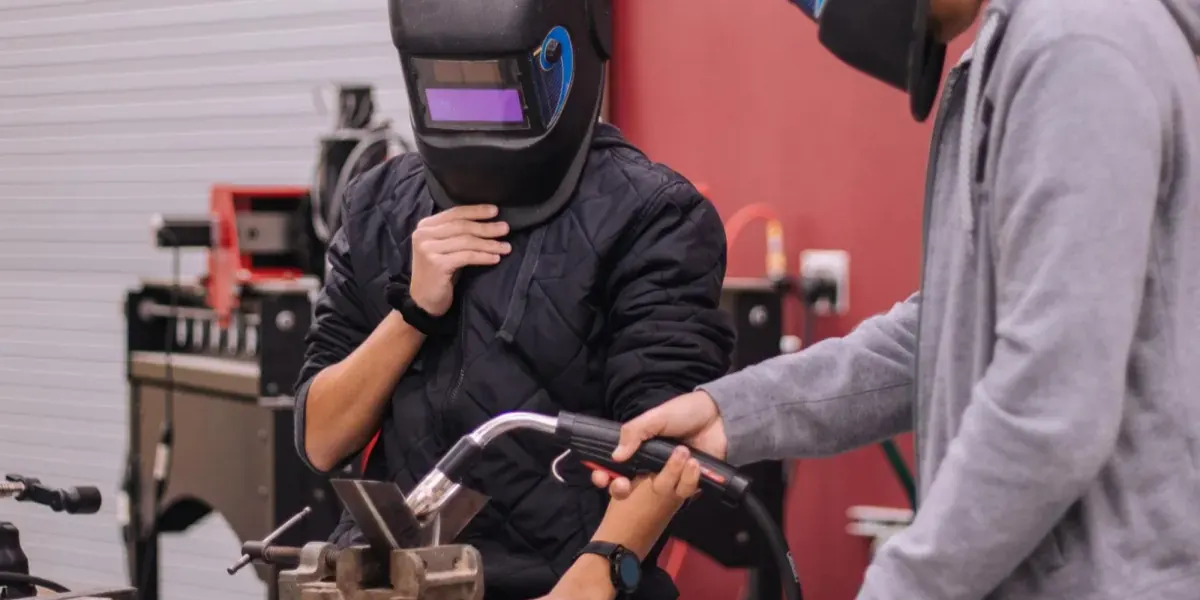
Coastal Technical Institute helps students match personal strengths to practical training.
Our Hands-On Training Approach
Our labs are set up to reflect real work settings, so you build confidence through hands-on practice. Our HVAC, Electrical, and Welding programs focus on the skills and safety habits used in entry-level trade work.
Our Trade Programs in Palm Bay
We offer HVAC, Electrical Technology, and Welding Technology programs. Our admissions team can walk you through each program and help you think through which trade fits you.
Our Commitment to Affordability and Support
We give students clear information about schedules, costs, and payment options. Payment plans are available for those who qualify. Ask our admissions team about your options.
Our Career Services
CTI’s career services can help with resume writing, interview prep, and introductions to local employers. Employment isn't guaranteed.
Conclusion
Your strengths, preferences, and work style can point you to the right trade. Compare environments, interaction levels, and whether you’d rather diagnose systems or build physical products. Take an honest look at field work versus shop work and how much physical activity you enjoy.
Ready to take the next step? Explore HVAC, Electrical Technology, and Welding Technology at Coastal Technical Institute in Palm Bay. Check our upcoming start dates or speak with admissions about program timelines and next steps.
Ready to get started?
Next cohort starts January 4, 2027. Call (321) 914-3041 or apply online.