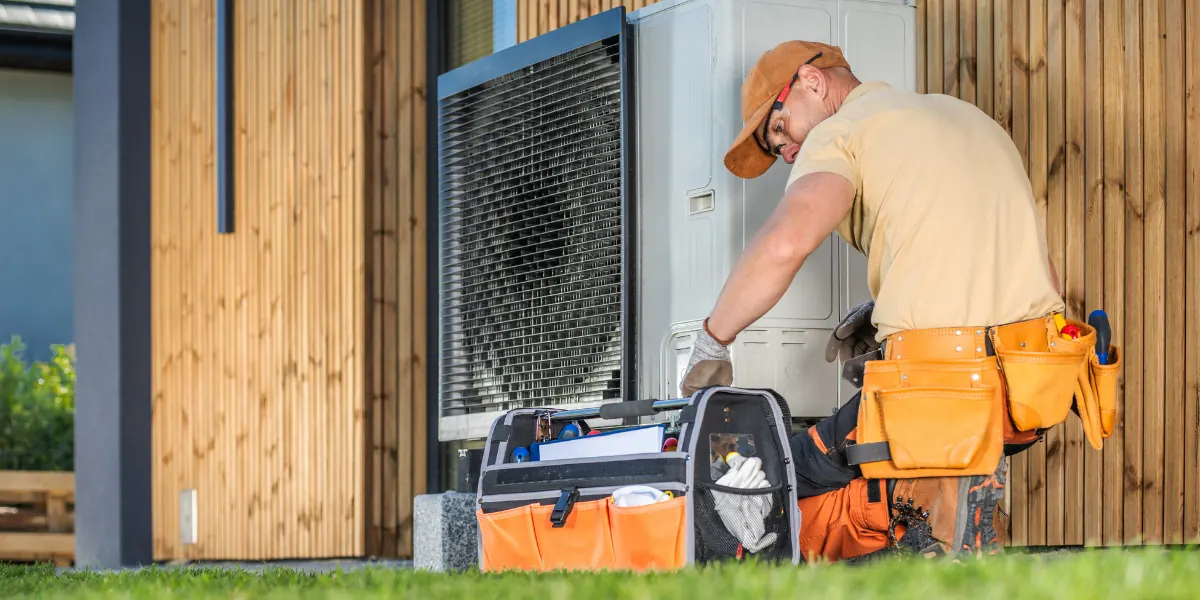
Graduating from an HVAC trade school in Florida can open the door to career paths across residential, commercial, and industrial settings. In a state where cooling systems run for most of the year, trained HVAC professionals keep homes comfortable, businesses running, and facilities compliant with safety standards.
At Coastal Technical Institute, students train in an HVAC trade school program built around hands-on training and real-world skill development. The goal is simple: prepare you with the skills Florida HVAC work calls for. If you're considering this path, understanding your career options can help you move forward with confidence.
Why Choose an HVAC Trade School in Florida?
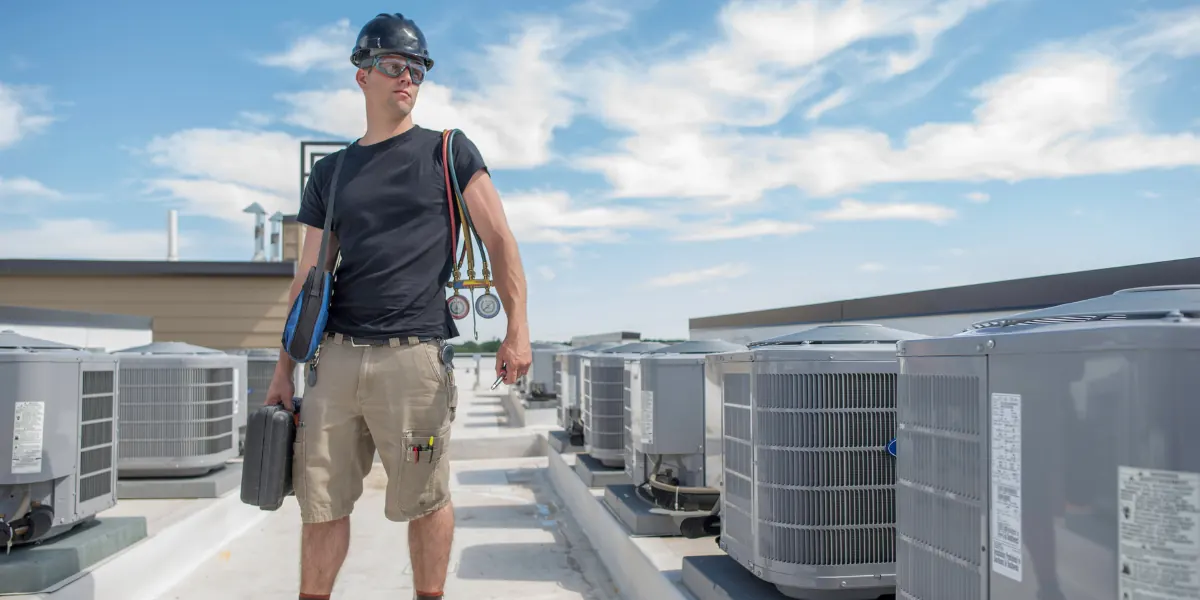
Florida's climate makes HVAC services critical. In many states, HVAC work slows seasonally. In Florida, cooling systems run for much of the year, which keeps technicians busy across the seasons.
An HVAC trade school provides focused, practical education. Instead of spending years in general academic courses, you build skills directly related to skilled trade careers. For people who like hands-on work and problem-solving, HVAC offers room to grow.
Entry-Level Career Paths After Graduation
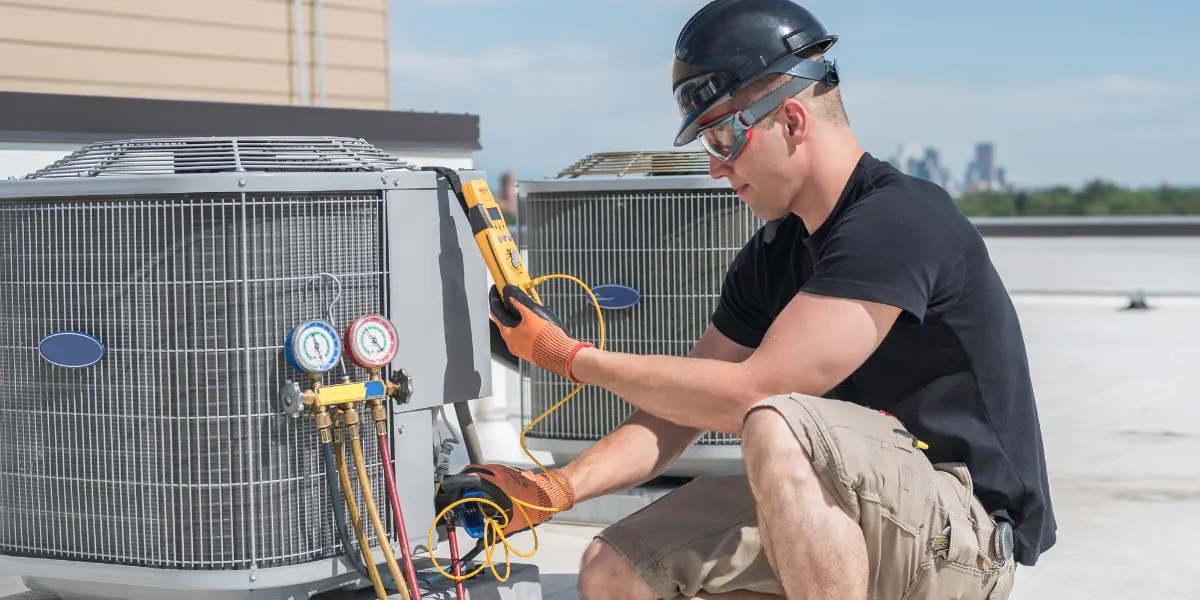
Graduates of an HVAC trade school in Florida can pursue several career paths depending on their interests and strengths.
Residential HVAC Technician
Residential technicians install, repair, and maintain air conditioning and heating systems in homes. The job means diagnosing cooling problems, replacing parts, and making sure systems hold up in Florida's tough environment. It's a common entry point into skilled trade careers.
Commercial HVAC Careers
Some technicians move into commercial HVAC, working on large systems in office buildings, hospitals, schools, and retail centers. These systems are more complex and call for advanced troubleshooting skills, which can open up room for advancement.
HVAC Installer or Helper
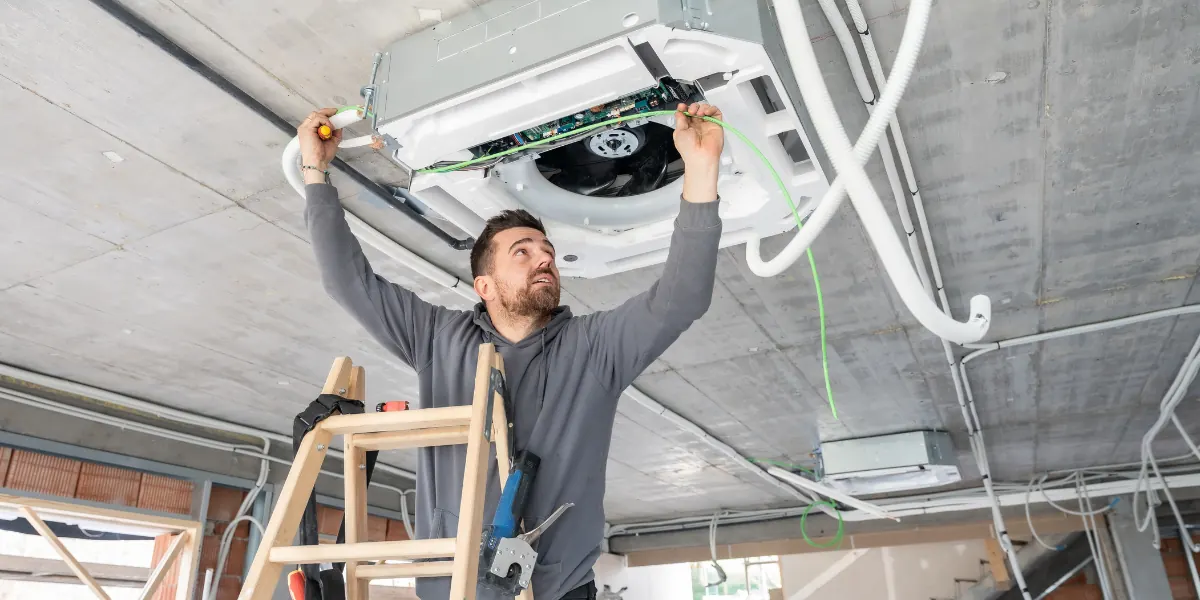
Installers help set up new systems and ductwork in new construction or system replacements. It's valuable field experience and can be a step toward technician-level work.
Maintenance Technician
Maintenance technicians focus on routine inspections and system optimization. In Florida, where systems run so much of the year, preventive maintenance really matters. It's also a great way to sharpen your diagnostic skills.
Refrigeration Technician
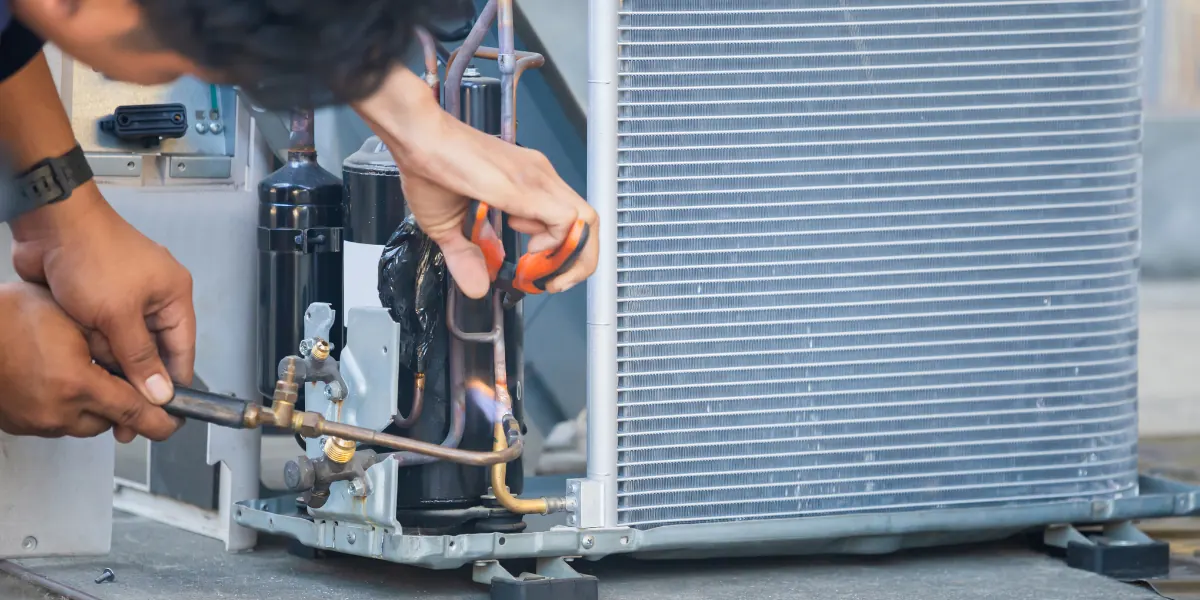
Some technicians specialize in commercial refrigeration systems used in restaurants and grocery stores. This path often connects to commercial HVAC and industrial cooling environments.
Industry Opportunities Across Florida

HVAC skills are used in many industries throughout the state, including residential service companies, commercial contractors, construction firms, hospitals, manufacturing facilities, and schools.
Businesses in growing urban areas rely on efficient climate control, and industrial facilities and data centers need technicians who can manage large-scale cooling equipment.
HVAC systems are essential infrastructure, and that keeps the work relevant across changing economic conditions.
HVAC Pay in Brevard County
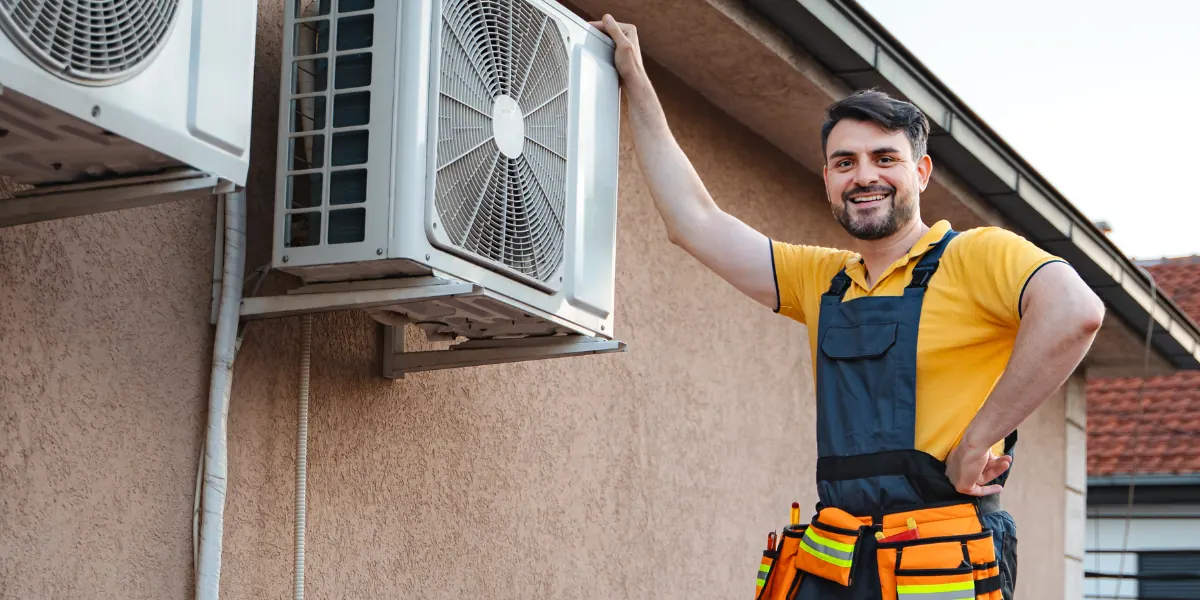
The entry-level wage for HVAC mechanics and installers in the Palm Bay-Melbourne-Titusville area is $46,960 a year (25th percentile, U.S. Bureau of Labor Statistics OEWS, May 2025). Wages vary. Not a guarantee of employment or salary.
Pay depends on experience, setting, shift, specialization, and certification credentials.
Skills and Certifications That Strengthen Your Career
A well-rounded HVAC trade school prepares you with both technical skills and professional readiness.
Students develop hands-on skills in:
Electrical diagnostics
Mechanical system repair
Airflow testing
Refrigerant handling
Equipment installation
EPA certification is required to handle refrigerants legally. Some technicians also pursue NATE certification later in their careers.
At Coastal Technical Institute, training aligns classroom instruction with industry standards. Our career services team offers resume help, interview prep and introductions to local employers. Employment isn't guaranteed.
Career Advancement Opportunities
Completing an HVAC trade school program is a foundation for long-term growth. With experience, professionals may advance into senior technician roles, specialize in building automation systems, or move into project management.
Commercial HVAC can offer pathways to leadership roles. Some professionals eventually start their own HVAC service businesses, which in Florida requires meeting state contractor licensing requirements.
Conclusion
Graduating from an HVAC trade school in Florida gives you skills you can use across residential, commercial, and industrial settings. Whether you're drawn to residential service work or commercial HVAC, trained professionals keep Florida's homes and businesses running.
CTI's HVAC program is 36 weeks and 600 clock hours, and total program cost is $10,675. CTI does not participate in federal Title IV financial aid programs. Payment plans available for those who qualify. HVAC starts every quarter and mid-quarter. See upcoming start dates or call (321) 914-3041.
Contact us to learn more about our HVAC trade school program and take the first step toward a career in Florida's skilled trades.
FAQ
Are HVAC techs in demand in Florida?
Florida's warm climate and ongoing construction mean homes, retail buildings, and industrial facilities rely on cooling systems for much of the year. That keeps HVAC technicians busy across the state.
What affects how much an HVAC technician earns?
Experience, setting, specialization, shift, and certifications all shape pay. Commercial, refrigeration, and industrial chiller work each call for specialized skills that technicians can build over time.
Is HVAC a good career in the USA?
For people who like hands-on, technical work, HVAC can be a solid choice. It offers room to grow without requiring a traditional four-year degree.
Is HVAC a stressful job?
Like any technical profession, HVAC can involve pressure during emergency repairs or peak service seasons. Good training helps you build the skills and confidence to handle those moments.
What is the hardest trade to learn?
The difficulty of a trade depends on your interests and strengths. HVAC combines electrical, mechanical, and diagnostic skills, which makes it technically demanding and genuinely rewarding. Structured, hands-on training helps you build that knowledge step by step.
Ready to get started?
Next cohort starts January 4, 2027. Call (321) 914-3041 or apply online.