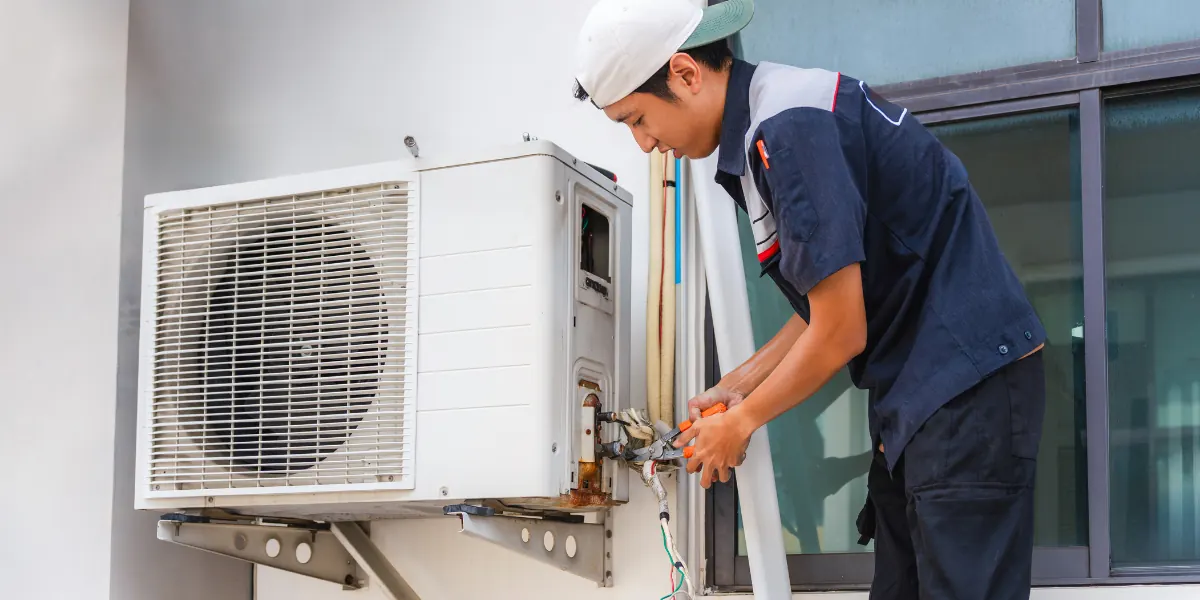
Florida runs on air conditioning. Homeowners and businesses need reliable cooling systems, and new construction needs systems installed and maintained by trained technicians. HVAC training is an option for people who want hands-on technical work without spending years in a traditional four-year college.
At Coastal Technical Institute in Palm Bay, Florida, we understand that choosing a career path is a significant decision. That's why our HVAC technician training is practical and hands-on. So what does HVAC training include, and which parts do students find most challenging? Let's dive in.
What Is Included in HVAC Training?
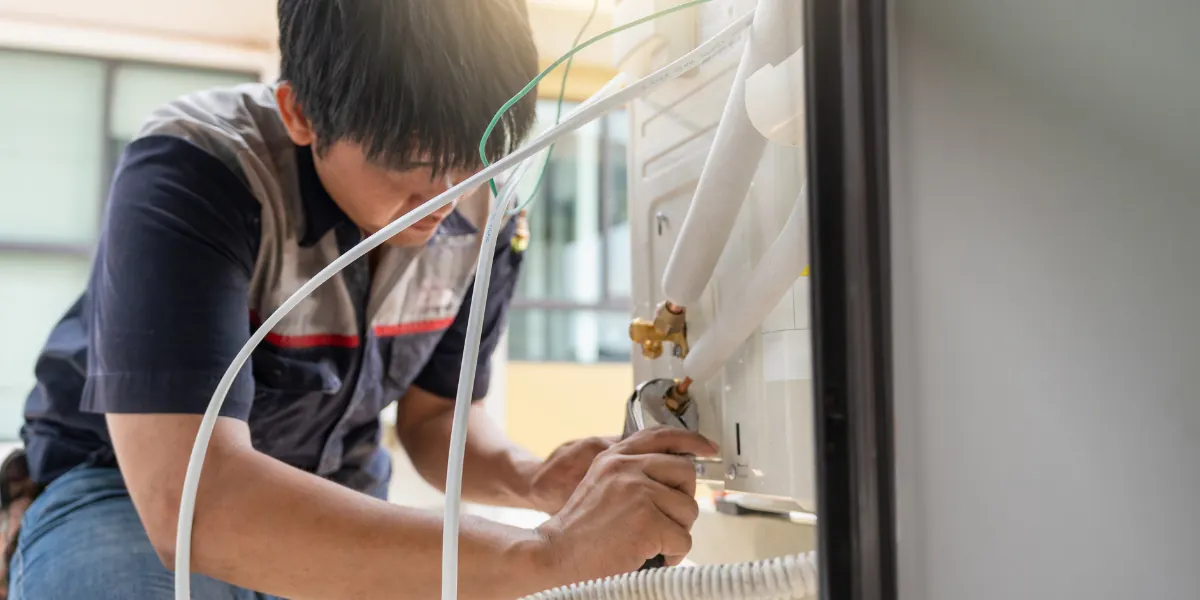
A quality hvac program course outline covers far more than just learning how to install an air conditioning unit. The modern HVAC system is a complex machine that requires knowledge of electrical systems, refrigeration principles, diagnostic techniques, and safety protocols. This is what you will experience in the course of your training.
Electrical Basics
A lot of people assume HVAC is mainly about ductwork and refrigerant lines. In truth, electrical basics are a core part of the trade. Electrical components are essential in the operation of HVAC systems. You will have to learn circuits, voltage, amperage, and safe working with live electrical systems.
In your hands on hvac training, you will be taught how to read wiring diagrams, test the electrical connections with the help of multimeters, and troubleshooting issues that are common to the operation of HVAC systems. This is necessary to accurately and efficiently diagnose problems related to electrical components and mechanical systems. It could be a faulty capacitor, a blown fuse, or a faulty thermostat, but when it comes to electrical matters, there is no compromise.
Troubleshooting
Systematic diagnosis is a core skill you'll build in HVAC troubleshooting training. When a customer makes a “no-cool” or “no-heat” complaint on the phone, you should know how to “talk” to the machine, that is, decipher symptoms, check items, and figure out the cause of the problem.
This is where theory is applied in practice. You will study diagnostic logic, which will enable you to reduce possibilities and focus on them. Is it something wrong with the thermostat, the compressor, the blower motor, or something completely different? You will be exposed to real-life scenarios using practical equipment and taught to apply your textbook knowledge in practice, solving the kinds of problems you'll see in the field. At Coastal Technical Institute, students practice on lab equipment set up to simulate real service calls, building confidence and competence before they get into the field.
EPA 608 Certification
If you have any serious intentions of becoming an HVAC technician, you must realize that the EPA 608 certification prep is not a choice but a must. The Environmental Protection Agency requires that all technicians who handle refrigerants be certified under Section 608 of the Clean Air Act. With this certification, you will know how to deal with the refrigerants in a safe and responsible way, thus reducing the environmental impact.
The EPA 608 exam covers topics such as refrigerant recovery, recycling, reclamation, and the regulations governing these processes. You will gain knowledge of the various types of refrigerants, leakage detection, and the proper handling of high-pressure systems. This exam is a milestone in your HVAC career; ask admissions how the program's refrigerant training relates to it.
Safety Protocol
In HVAC, safety comes first. The work involves high voltages of electricity, pressurized refrigerant systems, heavy equipment, and, occasionally, in difficult conditions such as attics or rooftops. The necessary safety measures that will be taught to you include:
Personal protective equipment (PPE) requirements.
Electrical systems lockout/tagout.
Safe handling and storage of refrigerants.
Ladder and roof safety.
Confined space awareness.
Heat stress prevention.
Maintenance and correct use of tools.
What's Actually the Hardest Part?
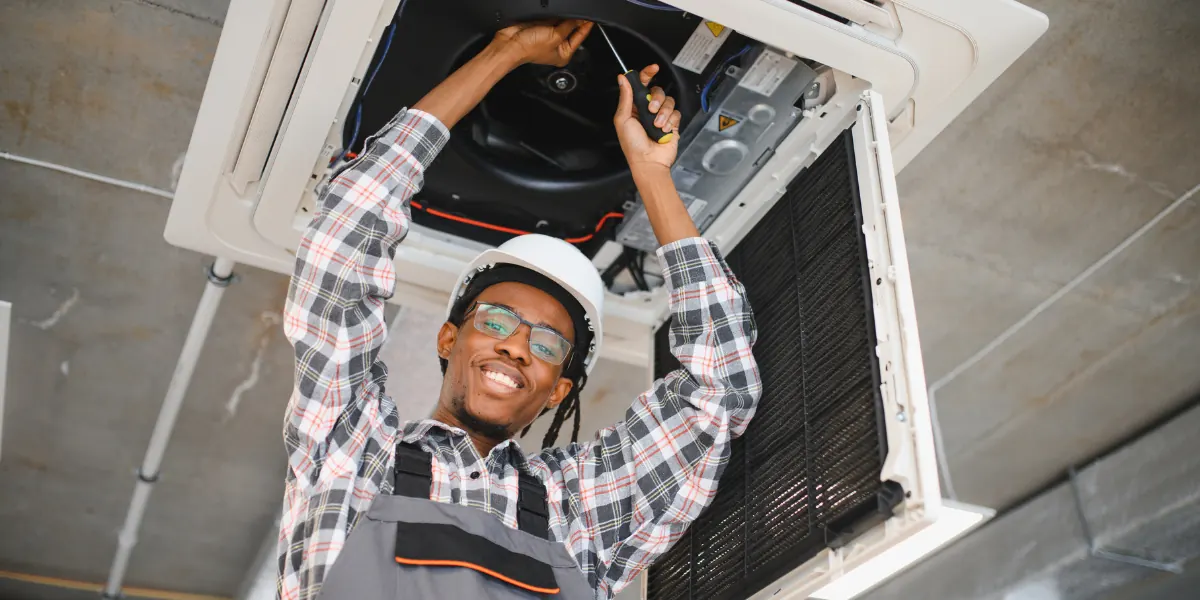
Each student has his/her own experience, though some issues related to HVAC training can pose challenges for newcomers in the field. To help you get mentally and practically prepared for the journey, being able to know these challenges in advance can be of help.
Electrical Diagnostics
Electrical diagnostics is the steepest learning curve for many students. One cannot see or touch the mechanical components, and this is an important aspect; however, electrical problems demand an abstract way of thinking, and a good knowledge of how current moves within the circuits. Wiring diagrams may be difficult to read, and diagnostic tools such as multimeters may be challenging to use unless a person has practiced effectively and accurately.
The positive side is that through hard work and proper training, the electrical diagnostics can be more instinctive as time elapses. Beginning with simple circuits and gradually advancing to more complicated systems will help students gain confidence. At Coastal Technical Institute, our teachers do not just teach students complex electrical concepts in large, overwhelming lessons; rather, they break down difficult ideas into small, manageable pieces, so students have a solid foundation before tackling the more advanced diagnostics.
Refrigeration Theory
Learning the refrigeration cycle, i.e., the way the refrigerant takes in heat and gives up heat by changing phases, involves learning some fairly counterintuitive thermodynamic concepts. Such concepts as superheat, subcooling, and pressure-temperature relations are difficult to get the hang of.
This theoretical information directly affects how you can properly charge systems, identify refrigerant issues, and improve system performance. Abstract theories of refrigeration are difficult to learn; therefore, visual aids, live demonstrations, and constant practice with real equipment help struggling students learn. These concepts fall into place when one sees how theory applies in real systems.
Problem-Solving Under Pressure
You are given time in the classroom to think systematically about problems. Customers in the field are usually frustrated, uncomfortable, and impatient to get quick solutions. Being able to stay calm, think straight, and systematically approach problems diagnostically as one manages customer expectations is a skill that is gained over time.
Role-playing scenarios during training helps prepare you for these real-world situations. Practicing your diagnostic approach until it becomes second nature builds the confidence you need to handle service calls professionally, even when facing unfamiliar problems.
Customer Interaction
HVAC specialists are not mere problem-solvers: they are also the image of the company. You will be required to speak in simple language with the customers who might not be able to grasp the technical language, discuss the cost and repair alternatives, as well as establish trust by being professional and transparent.
This aspect of the job may be challenging to the student who prefers to work with tools rather than people. Nonetheless, good communication abilities could be acquired and trained. It is important to know that clients appreciate truthfulness, courtesy, and clarity in communication, which will make you handle such interactions with confidence.
What Will You Learn in HVAC Training at Coastal Technical Institute?
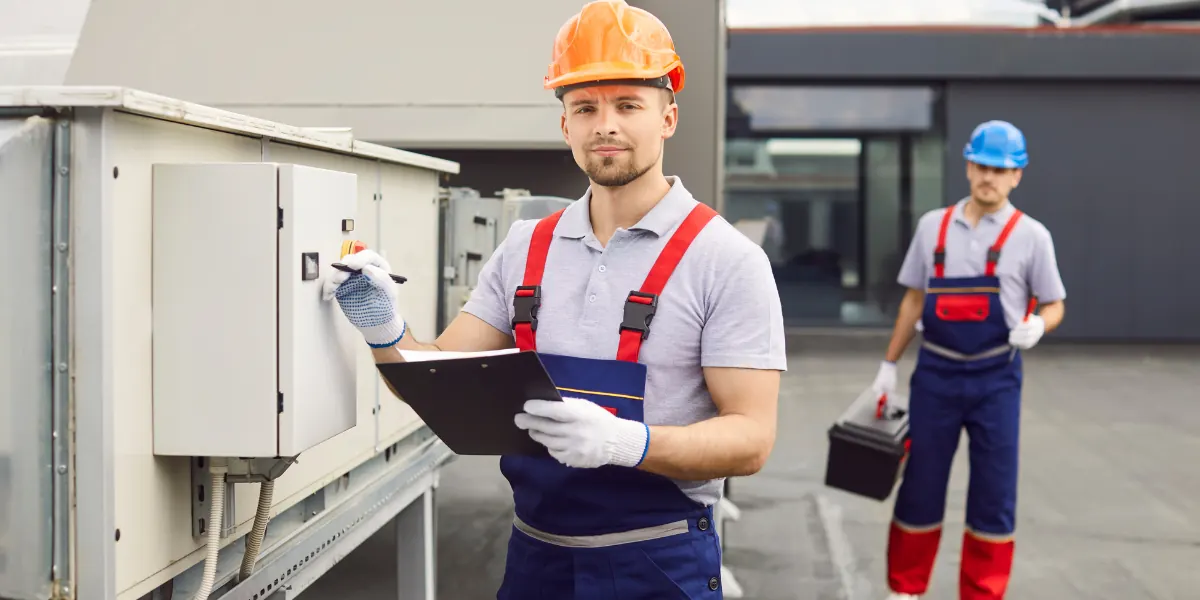
The hvac technician training program at Coastal Technical Institute is 36 weeks and 600 clock hours of classroom and hands-on training. You'll explore:
Basic and Advanced HVAC Systems: Starting with residential split systems to commercial rooftop units, you will get exposure to the different equipment you will see in the field.
Refrigeration Cycle and Safety: Intensive knowledge on the functioning of refrigeration, as well as the safety measures required to handle the pressurized refrigerant systems and refrigerants.
Troubleshooting and Repair Techniques: Systematic methods of diagnosing that can assist you in identifying and repairing problems efficiently with minimal period of downtime to the customers.
Refrigerant handling and safety: the knowledge refrigerant work calls for.
For more detailed information about our HVAC technician training program, visit our HVAC technician training program page.
Why Choose Coastal Technical Institute for HVAC Training?
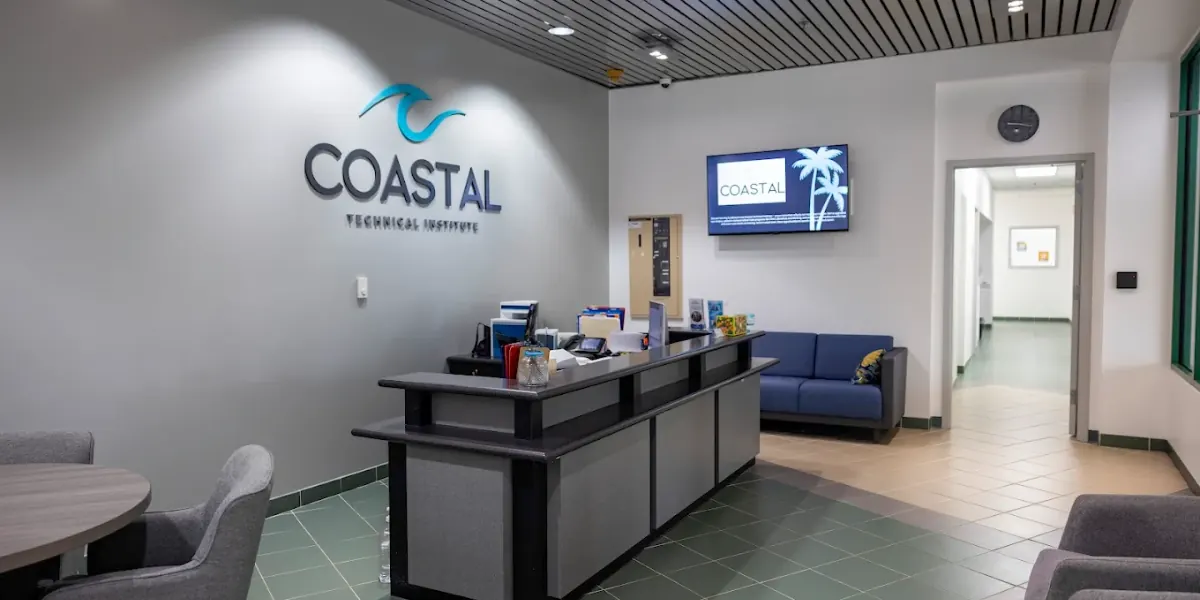
Choosing a training program is a big decision. At Coastal Technical Institute, we offer more than textbook-based education. Our approach includes:
Hands-On Learning: You'll work with real equipment in our industry-standard labs, gaining practical experience on the kinds of systems you'll see in the field.
Experienced Instructors: Be instructed by somebody who has been in the field and knows how to be successful. Their experience and knowledge of the world make them add practical knowledge to each lesson.
Career Services: Our career services team offers resume help, interview prep, and introductions to local employers. Employment isn't guaranteed.
Clear Costs: HVAC total program cost is $10,675. CTI does not participate in federal Title IV financial aid programs. Payment plans available for those who qualify.
Comprehensive Curriculum: We teach the basics of electricity, the art of customer service, and everything in between that you will use in your life as an HVAC technician.
We're in Palm Bay, Florida, where long cooling seasons keep HVAC technicians busy. HVAC starts every quarter and mid-quarter. See upcoming start dates or call (321) 914-3041.
Conclusion: Is HVAC Training Right for You?
If you want hands-on work, the satisfaction of solving problems, and the chance to help people stay comfortable and safe, HVAC training is worth a close look. Yes, there will be difficulties; electrical diagnostics, refrigeration theory, and problem-solving will all require time and concentration. However, through proper teaching, practice, and perseverance, these difficulties can be used to learn.
The HVAC industry requires technicians who have the technical and interpersonal skills for the work. No matter whether you are only entering the world of work or are willing to switch the sphere of your activity, HVAC training gives you a solid foundation for the work.
Ready to take the next step? Visit Coastal Technical Institute or contact us for a campus tour and see how our programs can help you build toward the future you want. Our team is willing to respond to your inquiries, show you our facilities, and explain to you how HVAC training fits your goals.
Ready to get started?
Next cohort starts January 4, 2027. Call (321) 914-3041 or apply online.