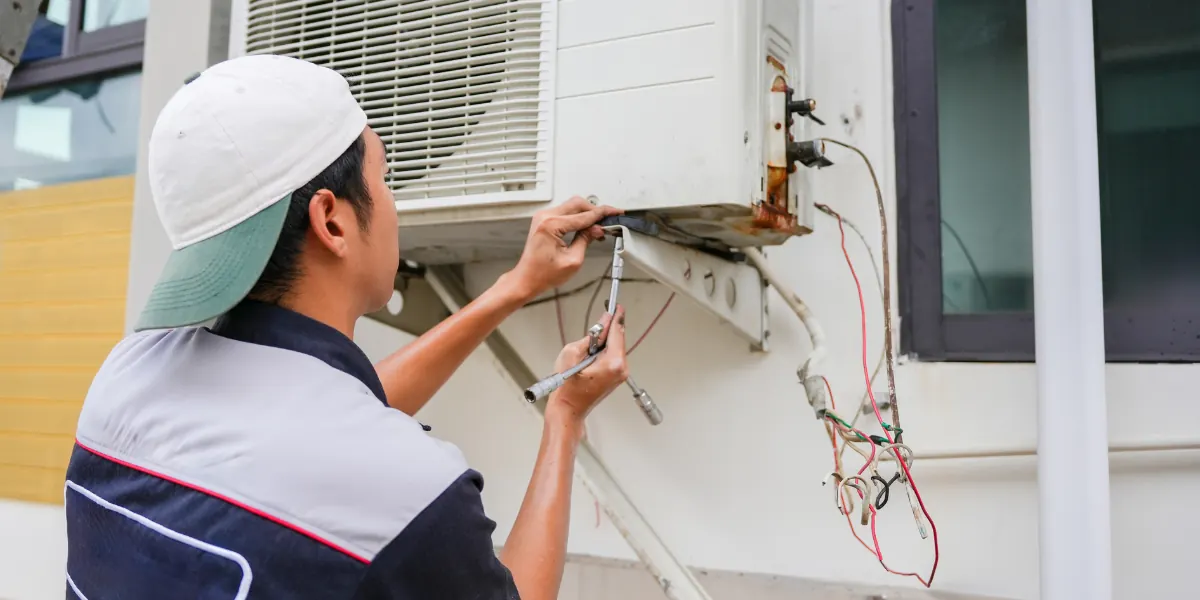
If you've ever thought about a hands-on career with long-term stability, this is worth reading. Across Florida, HVAC technicians are in steady demand. Whether you're fresh out of high school, switching careers, or ready to work with your hands, the path forward is clearer than you might think. Let's walk through what's driving this demand, why Florida offers so much HVAC work, and how the right HVAC trade school can help you build a career.
Florida's Climate Keeps HVAC Technicians Busy
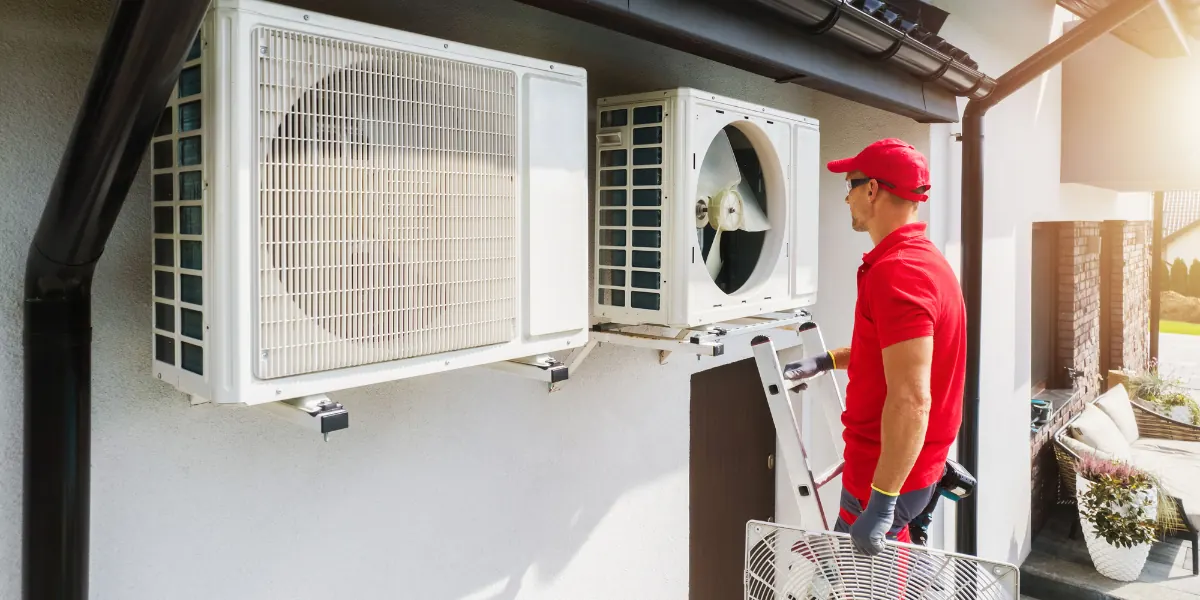
There's no getting around it. Florida is hot, humid, and in the path of hurricane season every year.
For residents, that combination can be exhausting. For HVAC technicians, it means year-round work. Air conditioning here isn't a seasonal luxury the way it might be in northern states. It's a daily necessity for homes, businesses, schools, hospitals, and stores from January through December.
When a system fails in July with temperatures above 95 degrees, nobody waits around. They call for service right away. Tropical storms and hurricanes add to the workload too, since they can damage systems across entire neighborhoods, and repair and replacement work can last for months afterward.
A Growing Population Needs More Skilled Hands
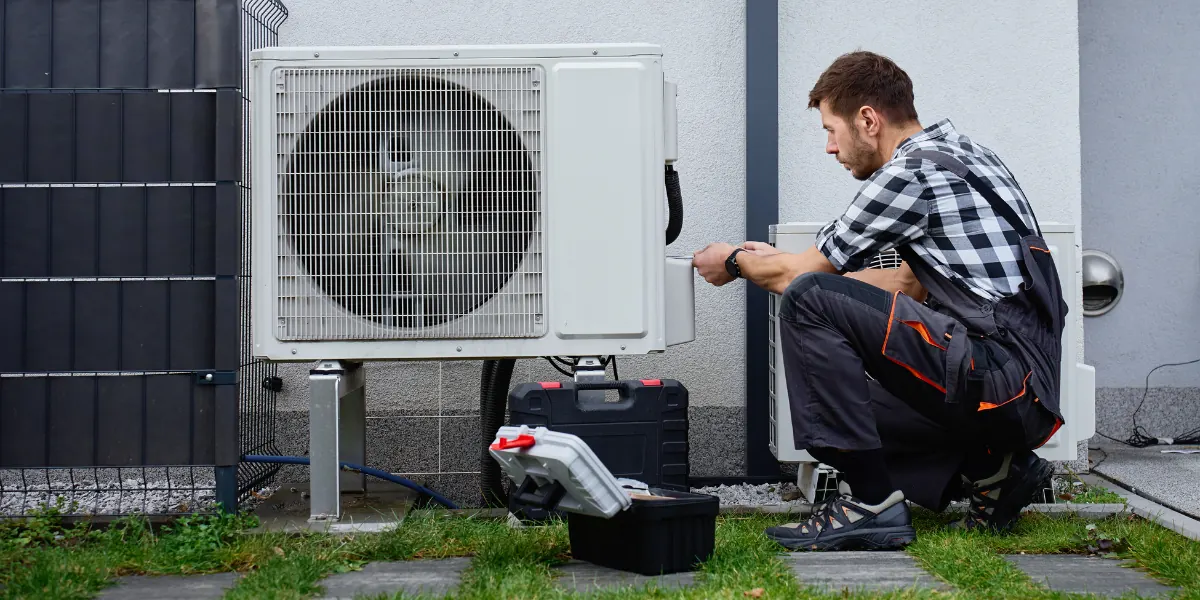
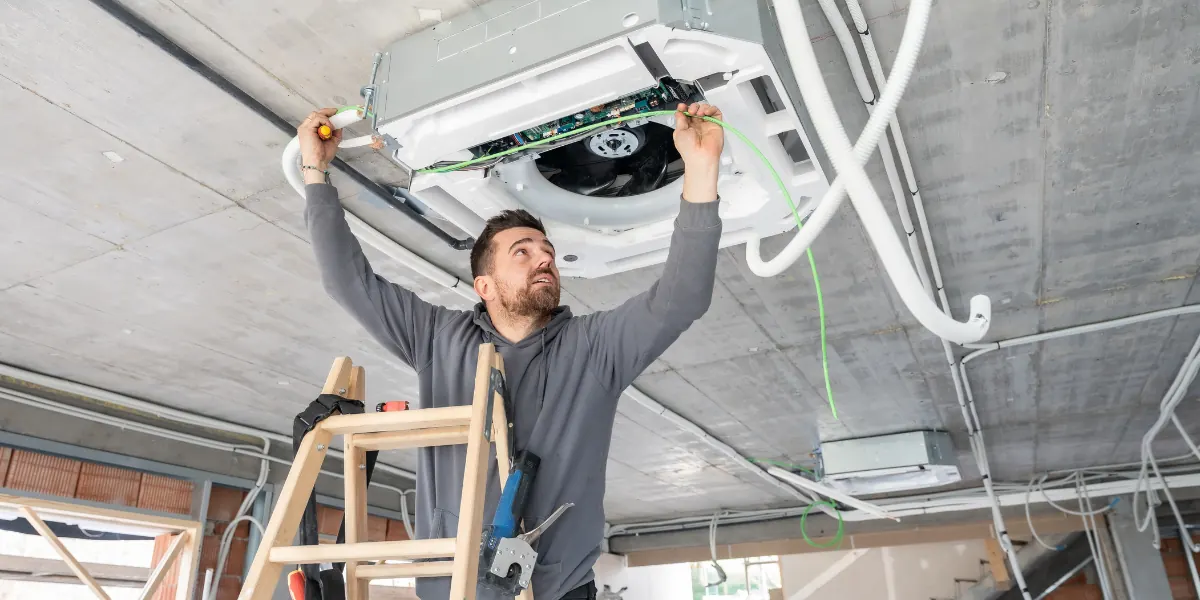
Florida's population keeps growing, and that means construction. Every new home, apartment complex, office building, and commercial development needs a working HVAC system before anyone moves in. Installing those systems takes trained professionals who know the work inside and out.
At the same time, experienced technicians are retiring, and the trade needs new workers to take their place. That's an opening for people who are ready to train today.
The Skilled Labor Gap
Over the past two decades, a cultural push toward four-year degrees pulled many young people away from the trades. The result is a workforce that's aging faster than it's being replaced.
Every diagnosis, installation, and repair call needs a real person on-site, which is why so many people are taking a serious look at HVAC training programs as an alternative to a four-year degree.
Why HVAC Certification Matters
Certification is an important step in an HVAC career. For example, EPA 608 certification is required by federal law for anyone who handles refrigerants. Holding a recognized certification shows employers and customers that you've been tested on your knowledge of the trade.
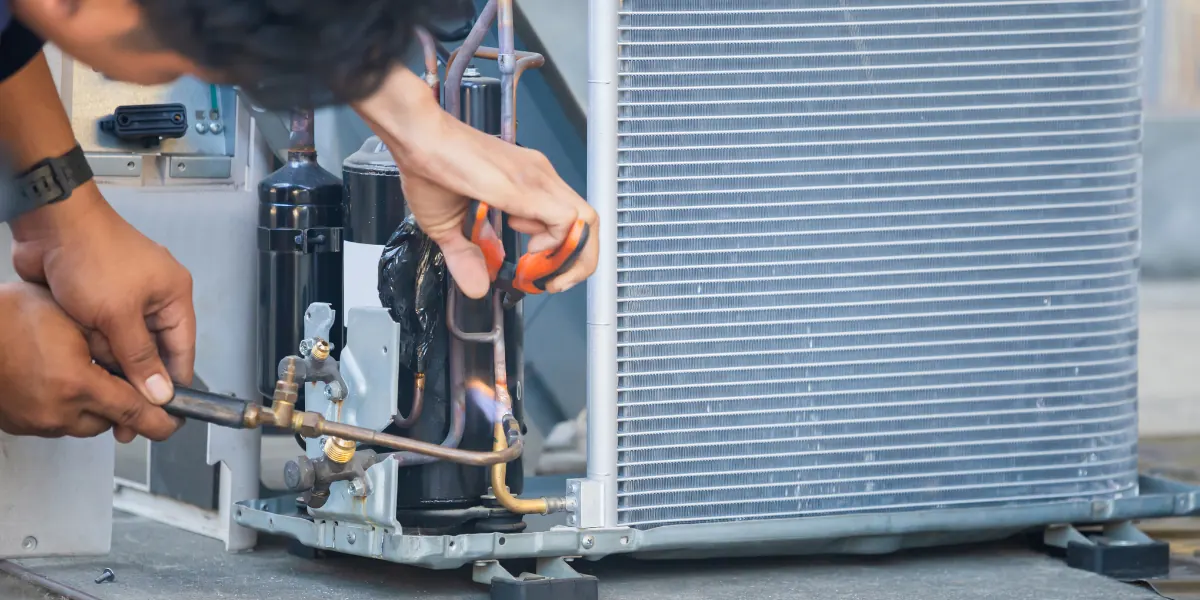
At Coastal Technical Institute, HVAC training is practical and focused. You'll work on real equipment in our labs, so you're practicing the skills you'll use in the field.
Certification also opens doors to specialization. Over time, you can add refrigeration credentials, commercial system training, or energy efficiency knowledge, and your career path can go wherever you want to take it.
What to Look for in an HVAC Trade School
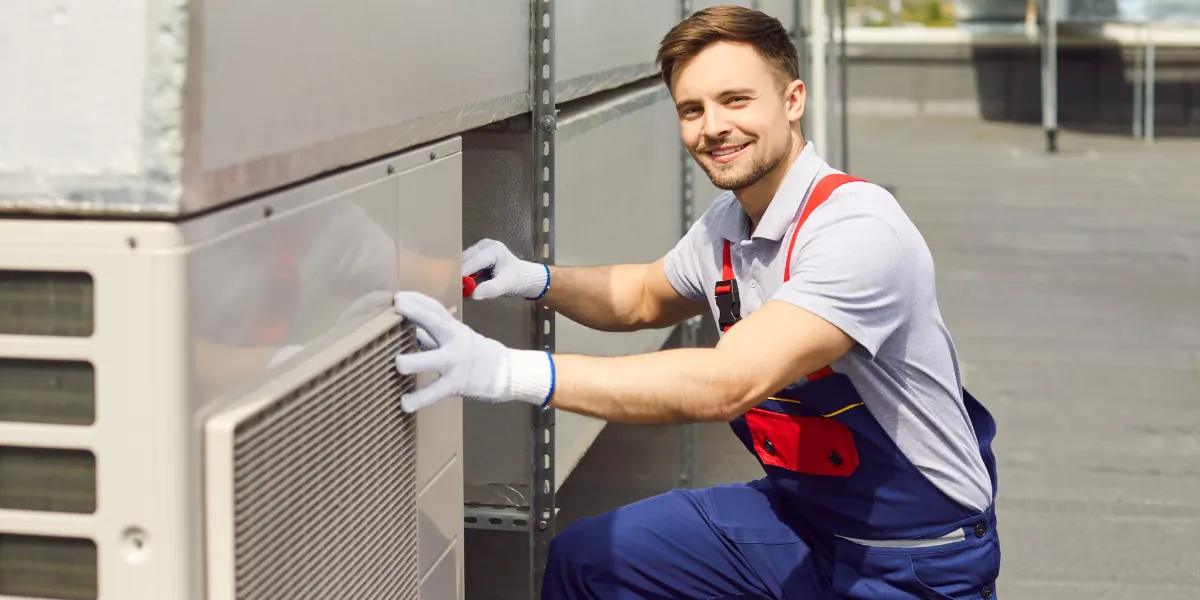
Choosing an HVAC trade school is a big decision. Not every program is built the same way.
Look for a program that puts hands-on training first. HVAC work is physical and technical, and reading about a refrigerant system is very different from troubleshooting one. Programs worth your time put real tools in your hands early.
At Coastal Technical Institute, instructors bring real industry experience into every session, and our training labs reflect the kinds of situations you'll see in the field.
Energy Efficiency Is Opening New Doors
Energy-efficient system upgrades are a growing area of HVAC work. Federal and state incentives encourage homeowners and businesses to replace outdated systems, which creates installation and retrofit work. Training that covers modern systems and efficiency standards helps you prepare for that work.
Entry-Level Wage
The entry-level wage for HVAC technicians in the Palm Bay-Melbourne-Titusville area is $46,960 a year (25th percentile, U.S. Bureau of Labor Statistics OEWS, May 2025). Wages vary. Not a guarantee of employment or salary. Pay can grow with experience, certifications, and specialization.
CTI's HVAC program runs 36 weeks, and total program cost is $10,675. Shorter programs mean you finish training sooner. Payment plans available for those who qualify. Coastal Technical Institute does not participate in federal Title IV financial aid programs.
Start Your HVAC Training at Coastal Technical Institute
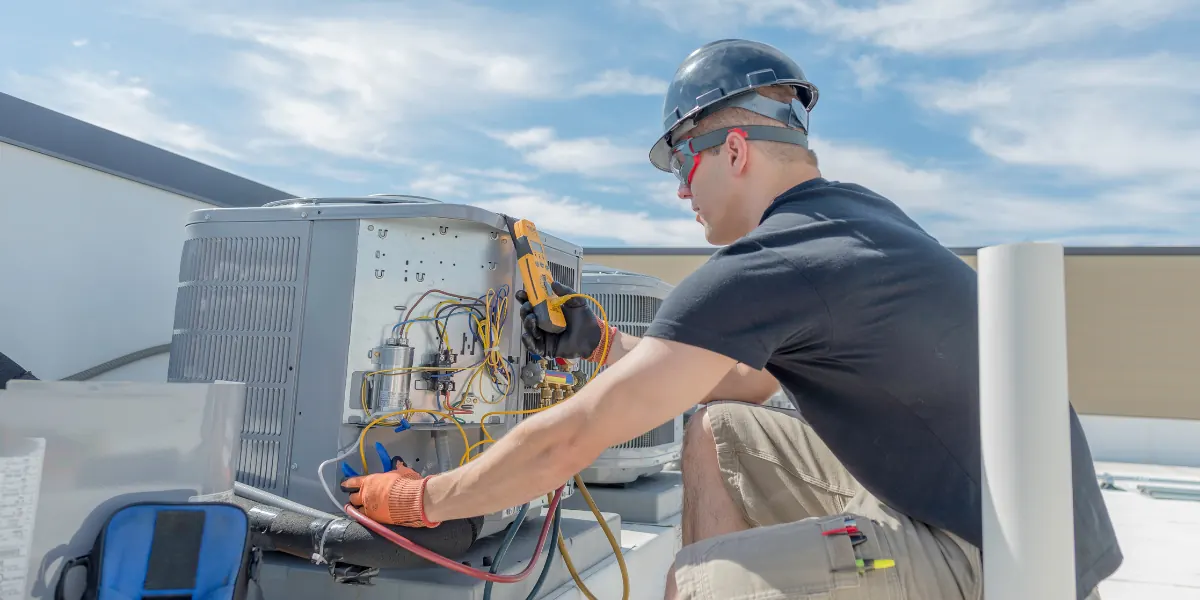
If you're thinking seriously about your next move, that instinct is worth following. Florida's heat, growth, and storm seasons keep HVAC technicians busy, and that isn't likely to change anytime soon.
Our HVAC training program is built for people who want to learn thoroughly and prepare for industry certification. Whether you're brand new to the trade or want to formalize skills you already have, we'd love to talk with you. Check our start dates page for upcoming classes.
Call us today. Our team will walk you through the program, answer your questions, and help you plan your next step.
FAQ
1. How long does it take to complete an HVAC training program at Coastal Technical Institute?
CTI's HVAC Technology program is 600 clock hours, about 36 weeks. That's months, not years.
2. Do I need prior experience to enroll in an HVAC trade school?
No prior HVAC experience is needed. Our program starts with the fundamentals and builds to advanced hands-on training. Ask our admissions team about enrollment requirements.
3. What is EPA 608 certification, and why does it matter?
EPA 608 is a federal certification required for anyone who handles refrigerants. It's an important credential for working on most residential and commercial systems.
4. Is there career support after graduation?
Yes. Coastal Technical Institute's career services team offers resume help, interview prep, and introductions to local employers. Employment isn't guaranteed.
5. Why choose a trade school over a community college HVAC program?
A dedicated HVAC trade school keeps your instruction focused on your trade. Community college programs often include general education requirements that can lengthen your timeline. At Coastal Technical Institute, your training time goes toward the skills of an HVAC technician.
Ready to get started?
Next cohort starts January 4, 2027. Call (321) 914-3041 or apply online.