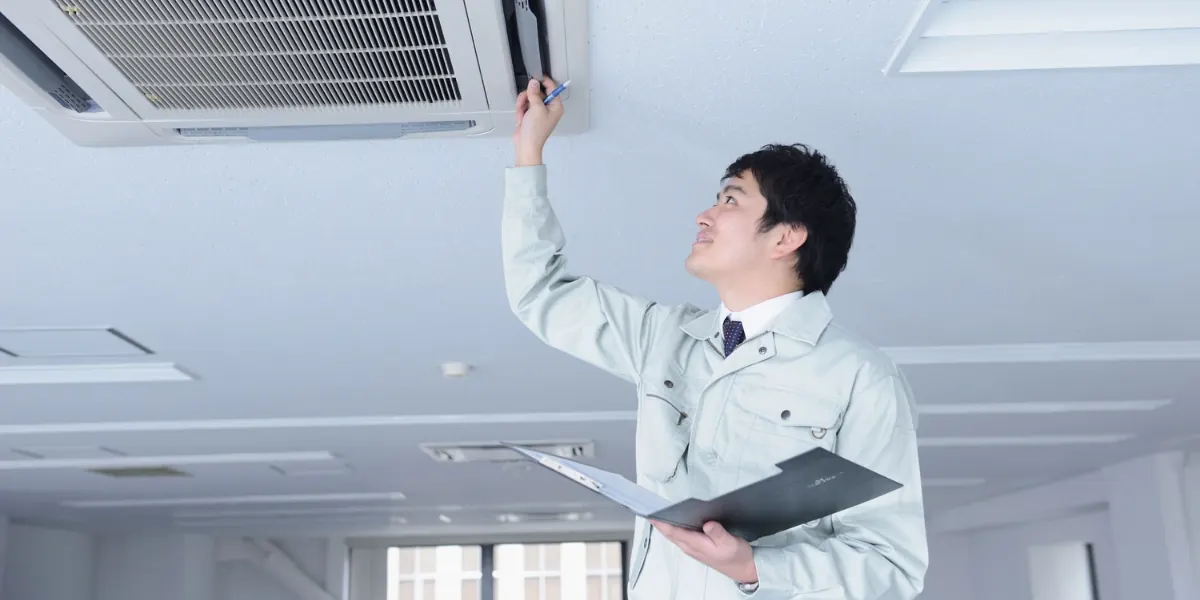
In Palm Bay, a broken air conditioner isn't a minor inconvenience. It can feel like an emergency. The heat stays above 90°F for months, the humidity hangs on, and when the AC fails, a home can get uncomfortable and even unsafe fast. People call a technician, and they want help the same day.
That's a headache for homeowners. For Palm Bay residents looking for a hands-on career, it's a reason to look closely at HVAC. Florida's climate is hard on AC systems, and that keeps trained technicians busy throughout the year.
Technicians who understand Florida-specific problems, like salt corrosion and condensate drain clogs, bring real value to the job.
This blog explains why Florida's environment is so tough on AC systems, how that connects to HVAC careers, and how Coastal Technical Institute trains Palm Bay residents for the work.
The "Florida Factor": Why AC Units Work So Hard in the Sunshine State
Florida isn't just hot. It's mechanically tough on air conditioning systems. Several climate conditions combine to wear systems down, and Palm Bay sits right in the middle of them.
Salt Air Corrosion
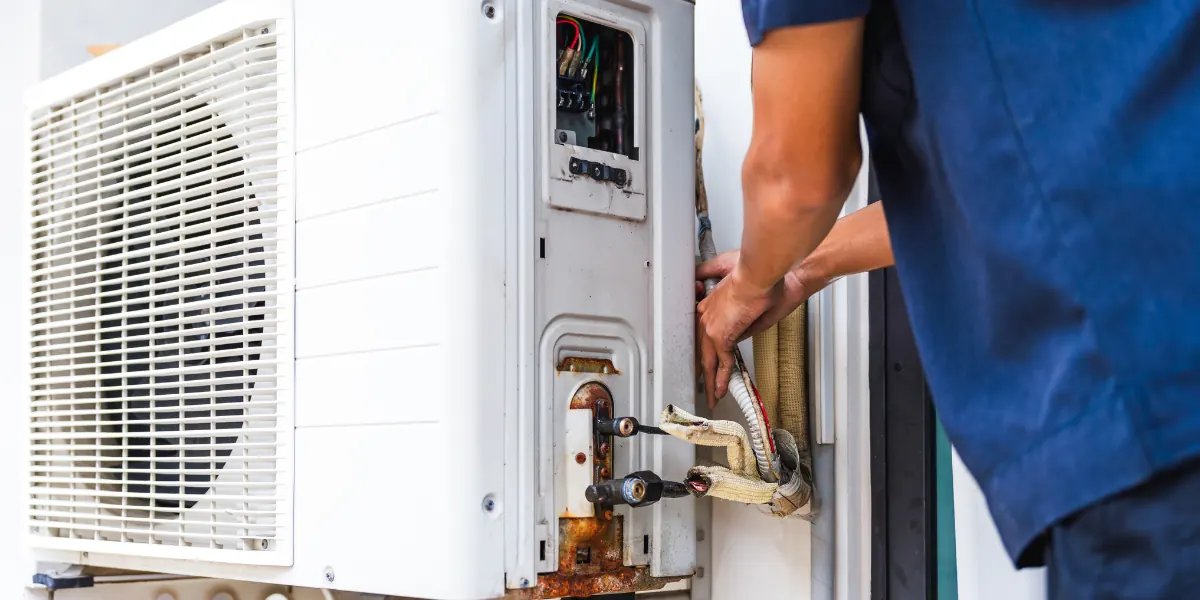
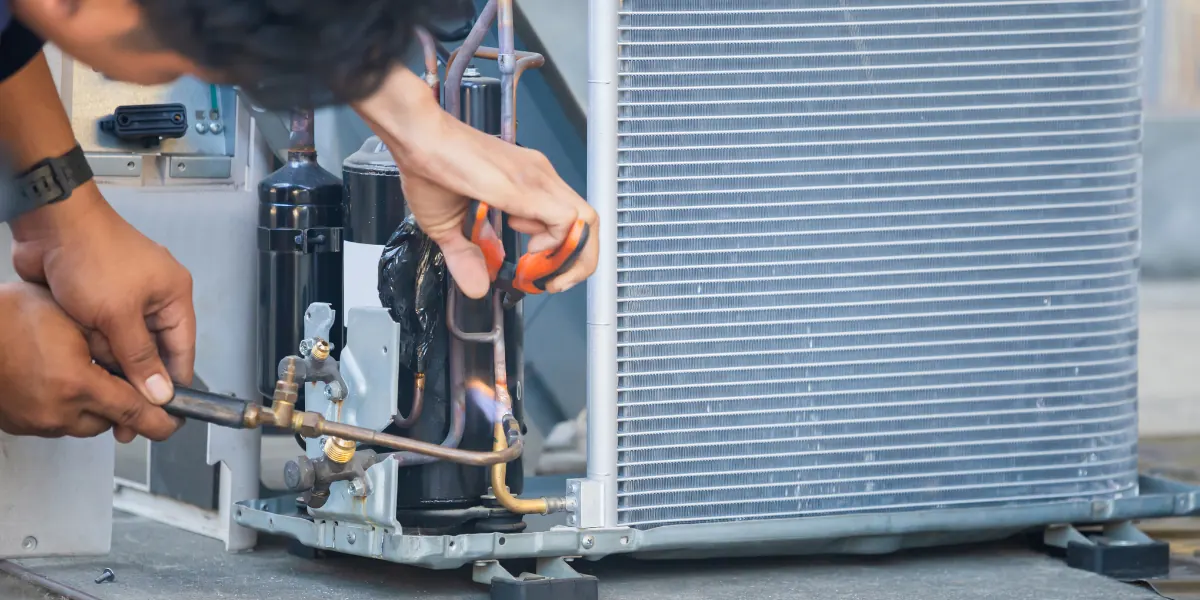
Palm Bay's coastal location brings salt into the air every day. Tiny salt particles stick to aluminum fins and copper coils and cause a gradual chemical reaction. Corroded evaporator coils (technicians sometimes call it "fin rot") limit airflow, cut cooling efficiency, and can lead to full system failure if nobody addresses them.
Salt corrosion is mostly a coastal problem, so it's something Brevard County technicians see often. Knowing how to spot and handle it is a practical skill for local work.
The Humidity Trap
Florida's humidity puts moisture inside air conditioning systems, and that moisture creates good conditions for algae and biological growth, especially in the condensate drain. Clogged condensate drain lines are a common reason homeowners call for AC repair.
When the line clogs, water backs up through the system and can cause water damage to walls and ceilings or trigger overflow shutoffs. For a trained HVAC technician, it's a routine fix. For a homeowner without one, it's a stressful emergency.
Year-Round Strain
In northern states, AC systems rest for months each year. In Palm Bay, many systems run for most of the year. That constant operation wears out compressors, capacitors, contactors, and fan motors, and it means more frequent maintenance.
Year-round operation can also speed up coil corrosion, especially in homes near the coast. Good HVAC training teaches you to factor Florida's conditions into both diagnostics and long-term maintenance planning.
Storm Season Hazards
Hurricane season runs from June through November, and Brevard County sees its share of storms. Lightning surges can damage control boards, and wind-blown debris can damage outdoor condensers. After a storm, homeowners need technicians who can diagnose electrical and mechanical failures quickly and safely.
Why These Problems Keep HVAC Work Steady
Necessity, Not Luxury
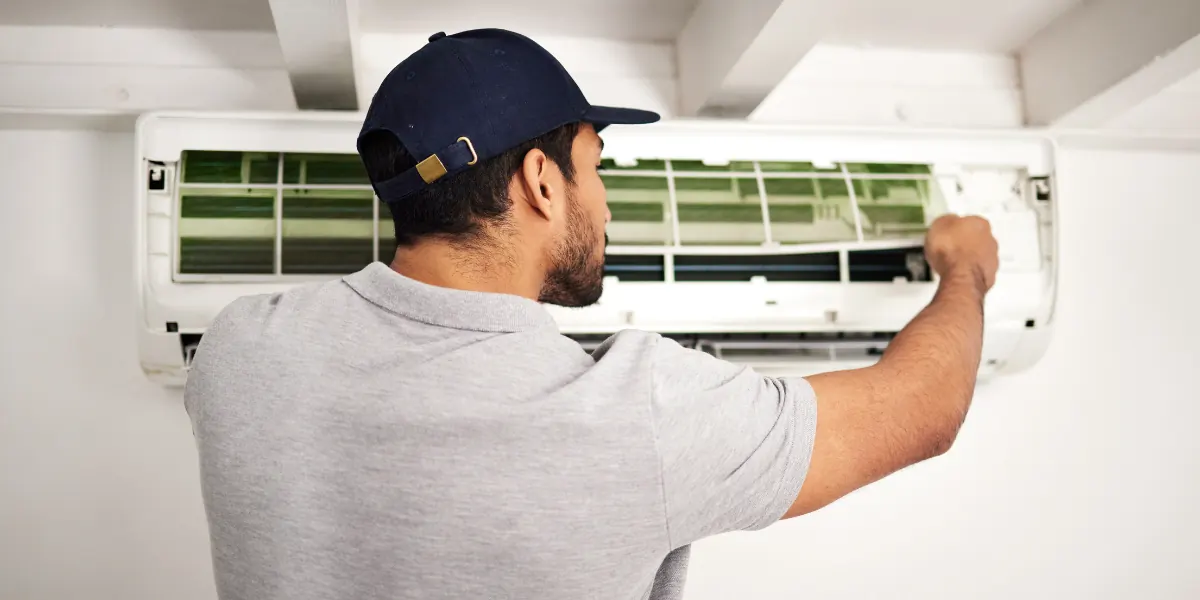
In much of the country, air conditioning is a comfort feature. In Florida, it's closer to a health need. Older adults, young children, and people with respiratory conditions face real risk when indoor temperatures climb. That's why people call for AC repair even when budgets are tight.
An Aging Workforce
Many experienced HVAC technicians are working toward retirement. That creates room for newly trained technicians who've built certifications and practical skills.
Changing Refrigerant Rules
The industry is moving away from older high-GWP refrigerants. That means technicians need to keep learning about newer refrigerants and handling practices. Current training helps you start with up-to-date knowledge.
The Career Picture: Pay, Growth, and Stability
Entry-Level Wage in Brevard County
The entry-level wage for HVAC mechanics and installers in the Palm Bay-Melbourne-Titusville area is $46,960 a year (25th percentile, U.S. Bureau of Labor Statistics OEWS, May 2025). Wages vary. Not a guarantee of employment or salary.
Pay depends on experience, setting, shift and certifications. Some employers offer overtime during peak summer months or after storms, which varies by employer.
Training Measured in Months
CTI's HVAC program is 36 weeks and 600 clock hours. There are no general education requirements padding your timeline. You train on the skills the work calls for.
Hands-On Skills
Testing for a refrigerant leak, replacing a failed compressor, or tracking down an intermittent electrical fault takes someone on site who can make real-time decisions. As long as Florida buildings rely on climate control, those hands-on skills matter.
Focused Training and Certification Prep
Career-focused HVAC training skips general academic courses and focuses on the equipment and procedures you'll use in the field. Pairing hands-on training with built-in certification prep helps you build competence step by step.
How Coastal Technical Institute Trains Palm Bay Residents
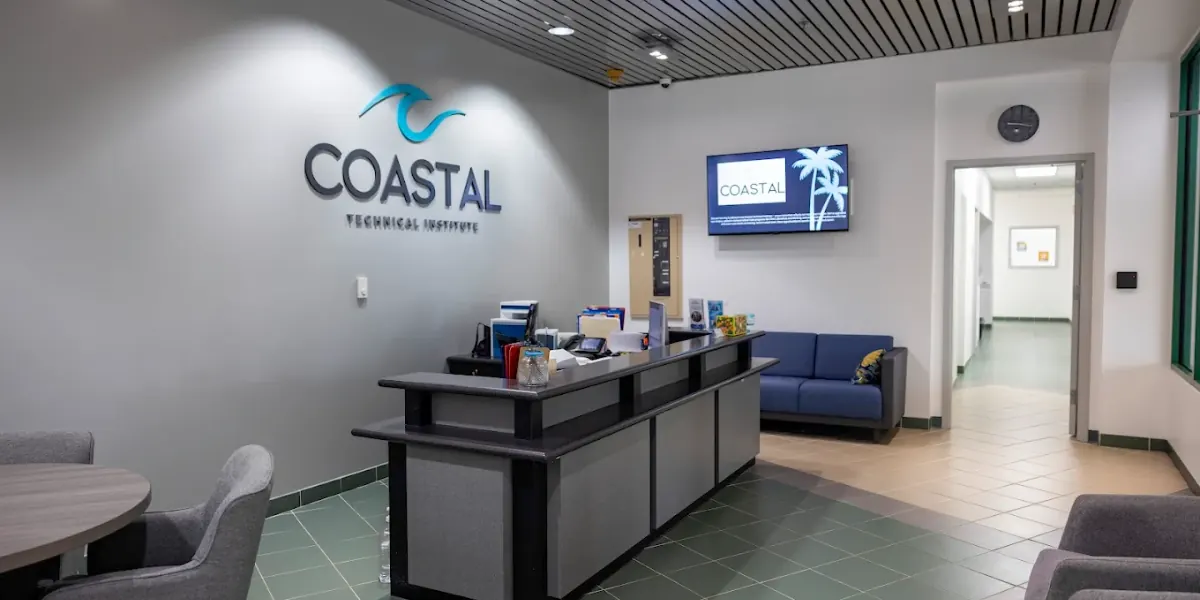
Coastal Technical Institute offers HVAC training that reflects Florida conditions. The curriculum covers what Palm Bay technicians deal with in the field.
Hands-On Learning
You'll train in labs on the kinds of systems used in Florida homes and commercial properties. You'll work through diagrams and diagnostics on real equipment, so you build practical confidence before you finish training.
EPA 608 Certification
Federal certification is required to legally handle refrigerants. EPA 608 is a federal certification separate from your diploma; ask admissions how the program's refrigerant training relates to it.
Career Services
CTI's career services team offers resume help, interview prep and introductions to local employers in Palm Bay and across Brevard County. Employment isn't guaranteed.
Tuition and Payment
Total program cost for the HVAC program is $10,675. CTI does not participate in federal Title IV financial aid programs. Payment plans available for those who qualify. Ask our admissions team about your options.
Conclusion
Florida's climate is relentless. Salt air corrodes evaporator coils, humidity clogs condensate drain lines, year-round operation speeds up mechanical wear, and storm season brings fresh damage. That cycle keeps HVAC technicians busy in Palm Bay.
HVAC training at Coastal Technical Institute prepares you to meet that need with hands-on skills on real equipment. HVAC starts every quarter and mid-quarter. See upcoming start dates or call (321) 914-3041.
Schedule your campus tour and explore the HVAC training program in Palm Bay.
Ready to get started?
Next cohort starts January 4, 2027. Call (321) 914-3041 or apply online.